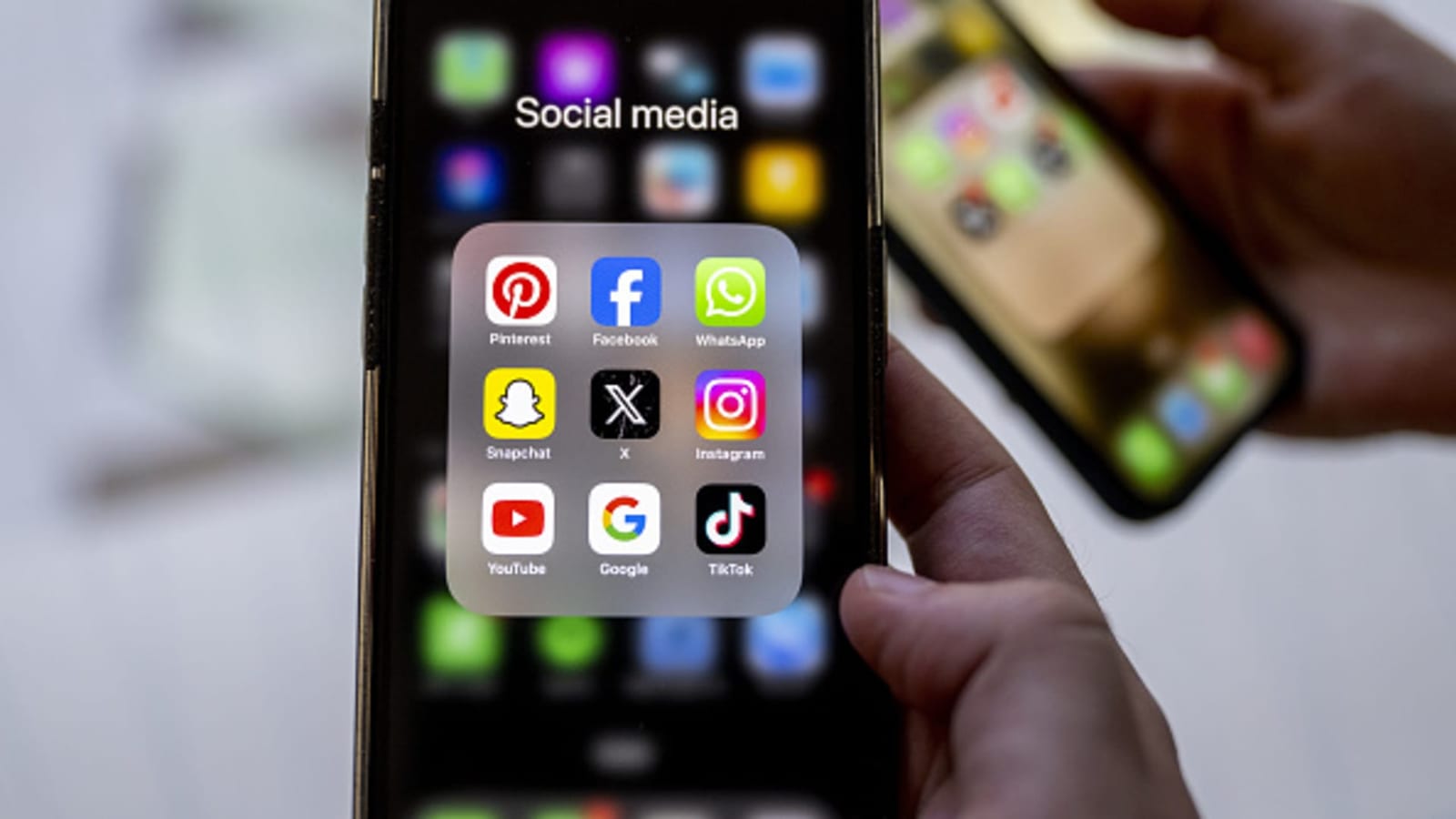
Google was sued this week by parents who say its Gemini AI chatbot, used inside Google Classroom, led to a psychological crisis for their child. The suit lands as Snap settles another child safety case and as AI tools spread into schools. Together, these cases show how much pressure tech companies now face over children.
What changed
The Google lawsuit centers on a teen's alleged suicidal crisis that the parents attribute to Gemini. Their attorneys claim that, despite known risks, Google hastily added Gemini to Chromebooks, the low-cost laptops many schools hand out to students. Google says it is reviewing the claims and takes them very seriously. It says it worked with medical professionals and academic experts on features that help young people find support.
Snap also confidentially settled a case claiming its technology caused severe psychological distress to two teenage users. The deal spared CEO Evan Spiegel from testifying in a Los Angeles court. Meta, TikTok and YouTube had already settled with the plaintiffs in that suit.
The bigger picture
In August, Meta agreed to pay nearly $17 billion to settle with a group of state attorneys general in a child mental health case. Some attorneys general are still pursuing similar suits against Meta's rivals. A federal case against Meta, TikTok, Snap and YouTube, brought along with many school districts, is still open. More trials are set to begin in March.
A lawyer quoted by CNBC sees the settlements as companies trying to turn a corner, partly because their reputations have taken a hit.
Why AI is the next target
A 1996 law, Section 230, has long protected internet companies from being sued over what users post. So lawyers have focused on how products are designed instead. OpenAI now faces several lawsuits using that same approach, alleging ChatGPT's design can pose risks to children. Anthropic, which is planning to go public this month, flagged the issue in its prospectus even though it bans children from using its Claude chatbot.
A researcher at the nonprofit Children and Screens said chat apps are so personalized that it is hard to predict what they will say to kids. She argued for testing products for children's safety from the start.
The school pressure point
The New York Times reported Tuesday that K-12 schools that do not allow Google's AI tools for students will lose access to Google search. A Google vice president for education told the Times that search and AI are deeply integrated. That leaves schools with a harder choice.
What to do
- Ask the school which AI tools are turned on for students.
- Ask what safeguards and monitoring are in place.
- Ask whether parents can opt out, and what that would change.
The Google case has only just been filed, and its claims have not been tested. The material does not say how it will end.
The takeawayIf your child uses a school laptop, ask the school which AI tools are on and what safeguards come with them.