AI data center companies are buying engines from retired airplanes and converting them into electricity generators. Engineering firms are doing the conversion, and buyers are taking the units as fast as they can be built, according to a New York Times report summarized by Business Standard.
What changed
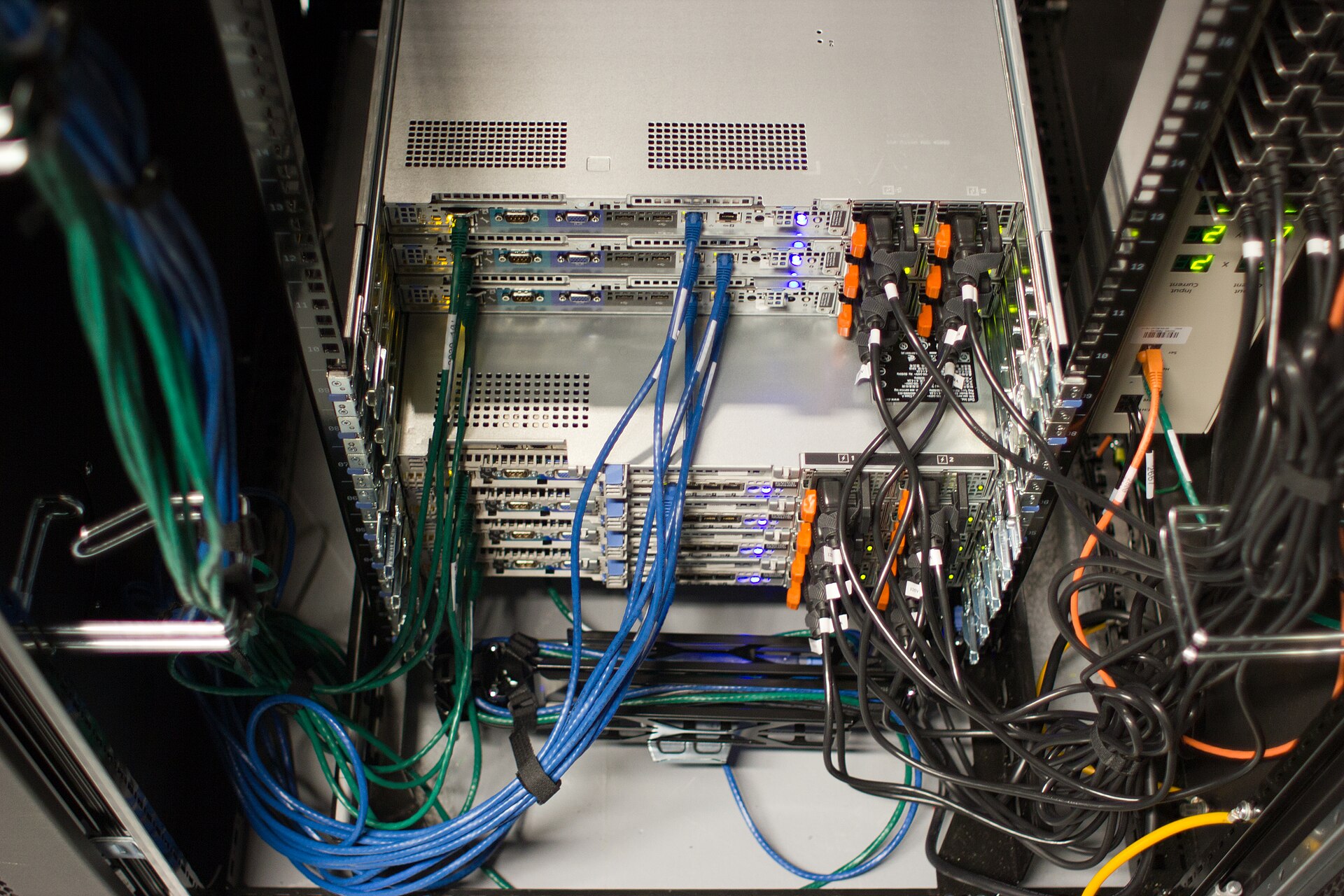
Data centers need huge amounts of power, and getting connected to the electric grid can take a long time. So some operators are making their own electricity on site. Many of the engines come from aircraft graveyards in Arizona's Sonoran Desert. Once removed from the planes, they run as gas turbines, which burn fuel to spin a generator.
Bill Kleyman, chief executive of AI infrastructure provider Apolo, said developers are now "obsessed with 'speed to power.'" In his words, the question is: "How fast can you get me energy?"
Why jet engines
There is a large supply. The US Energy Information Administration estimated in January that engines inside 4,000 retired military jets parked at one desert base in Tucson could produce 40,000 megawatts. A megawatt is a measure of electric power. That total would exceed the entire power generation capacity of Arizona.
Politics plays a part too. People have objected to data centers drawing from local grids and pushing up household utility bills. President Trump has urged data centers to generate their own power. In August, he said the facilities had been mandated to build their own generation capacity.
The tradeoffs
Converted jet engines are generally less fuel-efficient than turbines built for modern gas-fired power plants. A data center needs more of them to produce the same amount of electricity. The report also says they release more air pollutants into nearby communities.
The Mississippi case
Elon Musk's AI company xAI has installed eight converted jet turbines to power a major data center in Mississippi, according to state filings and satellite imagery the Times reviewed. Its permits allow the turbines to emit carbon monoxide at twice the rate allowed for other turbines on the site. The ceiling for volatile organic compounds, a type of air pollutant, is 25 percent higher.
The Southern Environmental Law Center is challenging the state's approval. It says the equipment maker has not provided documents showing the turbines meet standards for pollutants such as formaldehyde. It also accuses the company of underestimating expected emissions.
What is not known yet
The material does not say how the challenge to the Mississippi permits will end. It also does not say how many converted engines are running today, or how many other data centers plan to use them. For anyone living near a proposed data center, the power source is worth asking about, because it affects local air quality.
The takeawayIf a data center is planned near you, ask how it will make its power, since converted jet engines can add more local air pollution.