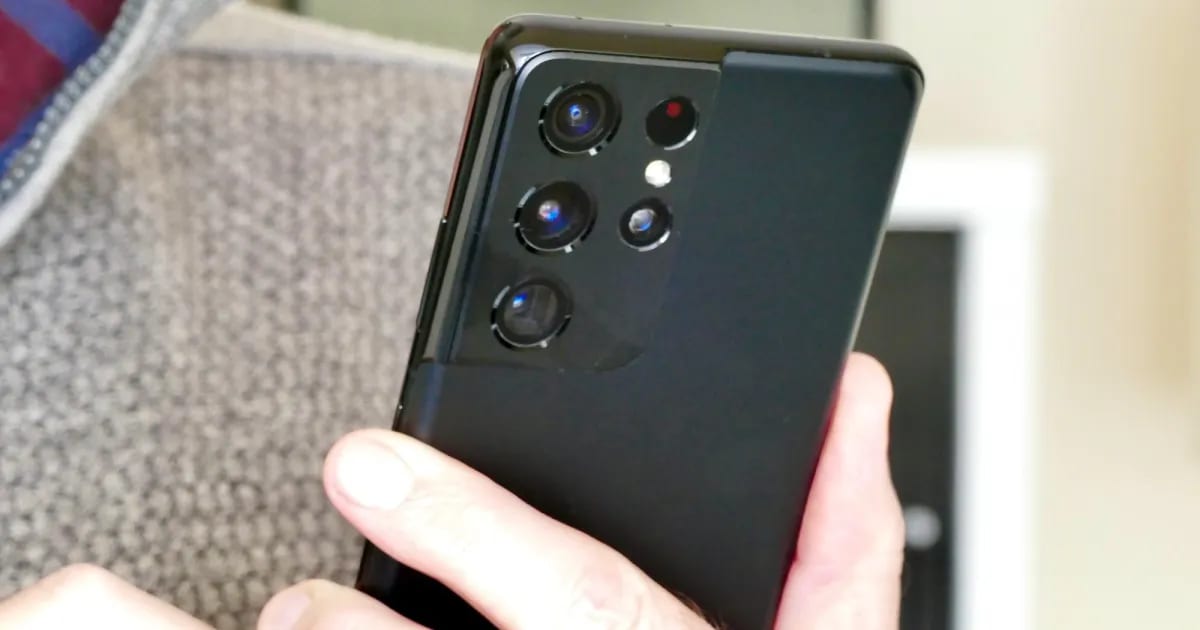
South Korea's Fair Trade Commission has tentatively fined Samsung 20.1 billion won, about $15.1 million, over how it advertised gaming on the Galaxy S21, Galaxy S22 and Tab S8. The regulator says Samsung did not tell buyers that some demanding games were held back by built-in limits. Samsung disagrees and plans to challenge the decision.
What the regulator says
The limits came from Samsung's Game Optimizing Service, or GOS. The regulator says Samsung sold these devices as gaming powerhouses without disclosing that GOS set preset limits on the processor and graphics chip in certain demanding games. Some limits reportedly held top speeds to around 30% of what the hardware could reach.
Phones often slow down when they get hot. The commission says GOS went further. It applied the ceilings as soon as certain games launched, no matter how warm the device was.
How the scandal began
The controversy blew up in 2022, when users found roughly 10,000 app identifiers inside GOS. Being on the list did not prove every app was slowed. Popular benchmark tools, which measure phone speed, appeared to be exempt. Geekbench got sharply lower scores when its test was disguised as an ordinary app, then delisted four generations of Galaxy S phones.
Samsung later added a performance-priority mode that relaxed the limits and gave some control back to owners.
Why the lawsuits did not end it
The scandal led to eight lawsuits in South Korea, the United States and Israel. None ended with a judgment awarding damages to consumers. Samsung points to that as proof the matter was settled.
The Korean case was not a clean win for the company. A trial court found that some advertising could lead buyers to expect unrestricted top speeds. It still dismissed the claims, because the plaintiffs had not proved personal losses or that each of them played an affected game. The appeal ended through court-ordered mediation.
Those cases asked whether specific buyers could prove harm. The commission asked a different question: whether the marketing could distort buying decisions.
Samsung's response
Samsung says GOS balanced heat against steady gaming speeds, a problem every phone maker faces. It argues the commission treated preset limits as proof of a worse experience without showing the effect on frame rates, which is how smoothly a game runs. The company also cites the closed lawsuits and the lack of similar penalties overseas.
What happens next
The fine is tentative and does not create refunds for Galaxy owners. Samsung plans to challenge it, so a court will decide whether the company should have disclosed that some games could not reach the advertised maximum.
The takeawayThe fine is tentative and brings no refunds, but it shows regulators are asking what phone ads leave out about performance.