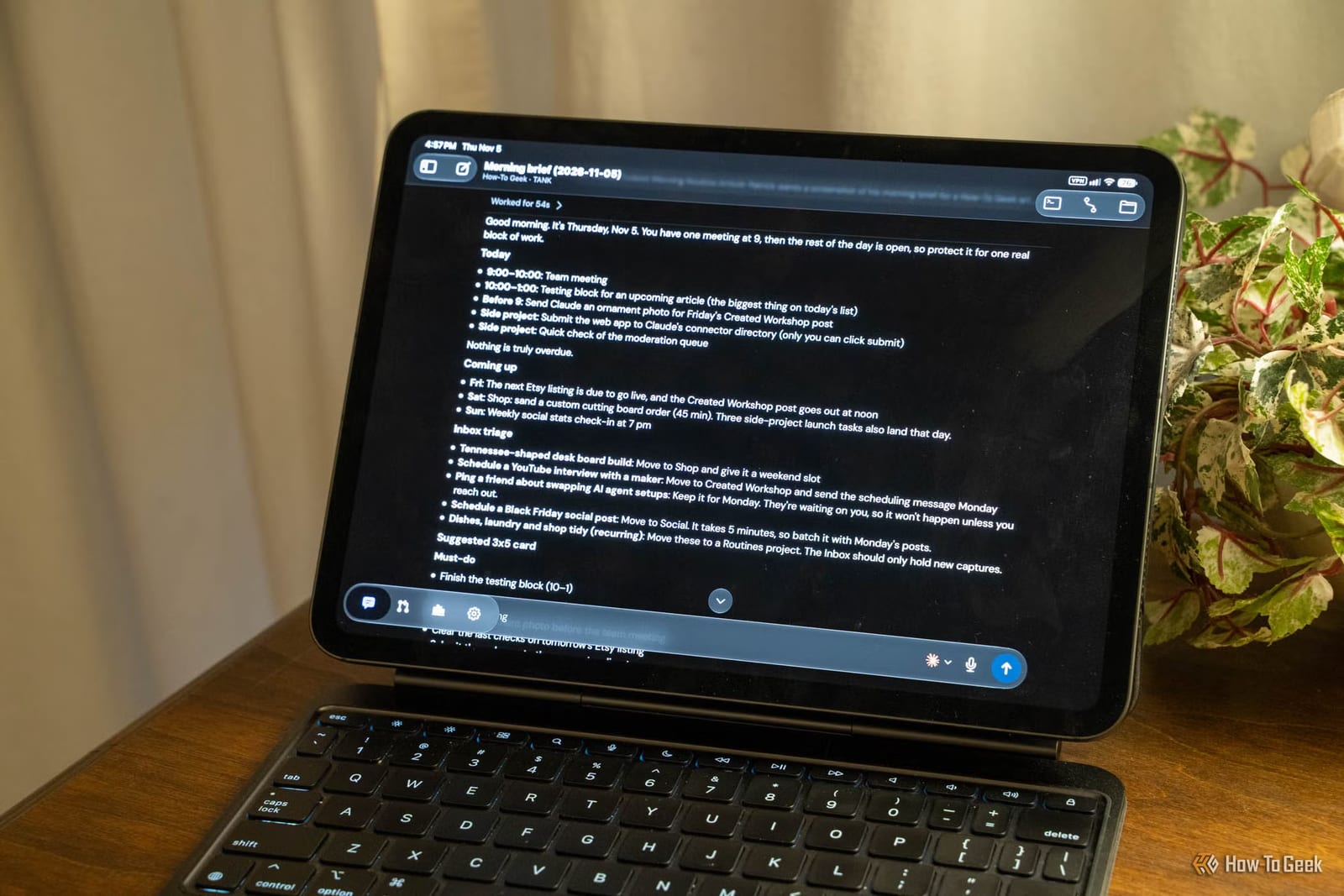
People are typing "Name five things I always say, based on our conversations" into ChatGPT and posting the replies. The results run from blunt orders like "Hurry up" to chatty greetings like "heyy bestieee." Often, the chatbot answers in the same slang the user brought to it.
What people are posting
One viral TikTok post showed answers such as "Humanize it" and "Make it sound less AI." Others got more heated, with lines like "DONT CHANGE NOTHING." In that case, ChatGPT replied in all caps with laughing emojis, teasing the user for changing one thing anyway.
Other users got a much warmer exchange. One chatbot opened with "BESTIEEE," listed phrases such as "sistaa i need ur help," and added, "KNOW YOU TOO WELL AT THIS POINT, SISTA."
Mixed reactions
Some find it odd. One reaction on X, posted Oct. 14, said "we're genuinely devolving." Others shrug. One TikTok commenter wrote that their AI is their friend and the criticism is overblown. The posts show how differently people use the same tool: as a best friend, or as something to swear at when it gets an answer wrong.
Why the tone matters
Chatbots have a record of piling on the praise. In April 2025, OpenAI rolled back a GPT-4o update after finding it made the model too agreeable and flattering. The company said it had leaned too hard on short-term feedback, which produced answers that sounded supportive but not sincere. The term for this is sycophancy.
OpenAI says it has improved. When GPT-5 launched in August 2025, the company said targeted tests showed sycophantic replies dropping from 14.5 percent to below 6 percent.
A personal answer is not always an accurate one
Earlier trends point the same way. When a Mashable editor tried the caricature trend, which asks ChatGPT to draw you and your job, the chatbot admitted it had picked generic items like headphones and coffee. It had not drawn on detailed knowledge of him. People who tried the '80s photo trend said the faces did not always look like them.
What to do
To try the new trend, open ChatGPT or your usual chatbot and type the prompt above. Then check the list against what you actually say.
- Treat the answer as a guess, not a fact about you.
- Notice whether the chatbot is copying your tone.
- Correct it when it gets you wrong.
The takeawayA chatbot's picture of you may be flattering or off the mark, so enjoy the trend but treat the answer as a guess.