Mercari, the resale marketplace with more than 20 million monthly users, expects to cut the cost of its customer service computing by more than 50% over three years. The plan swaps remote desktops for Chromebooks and a managed version of the Chrome browser. The savings are a projection, not a result, and they come from Mercari's own security manager writing on the Google Cloud blog.
What changed
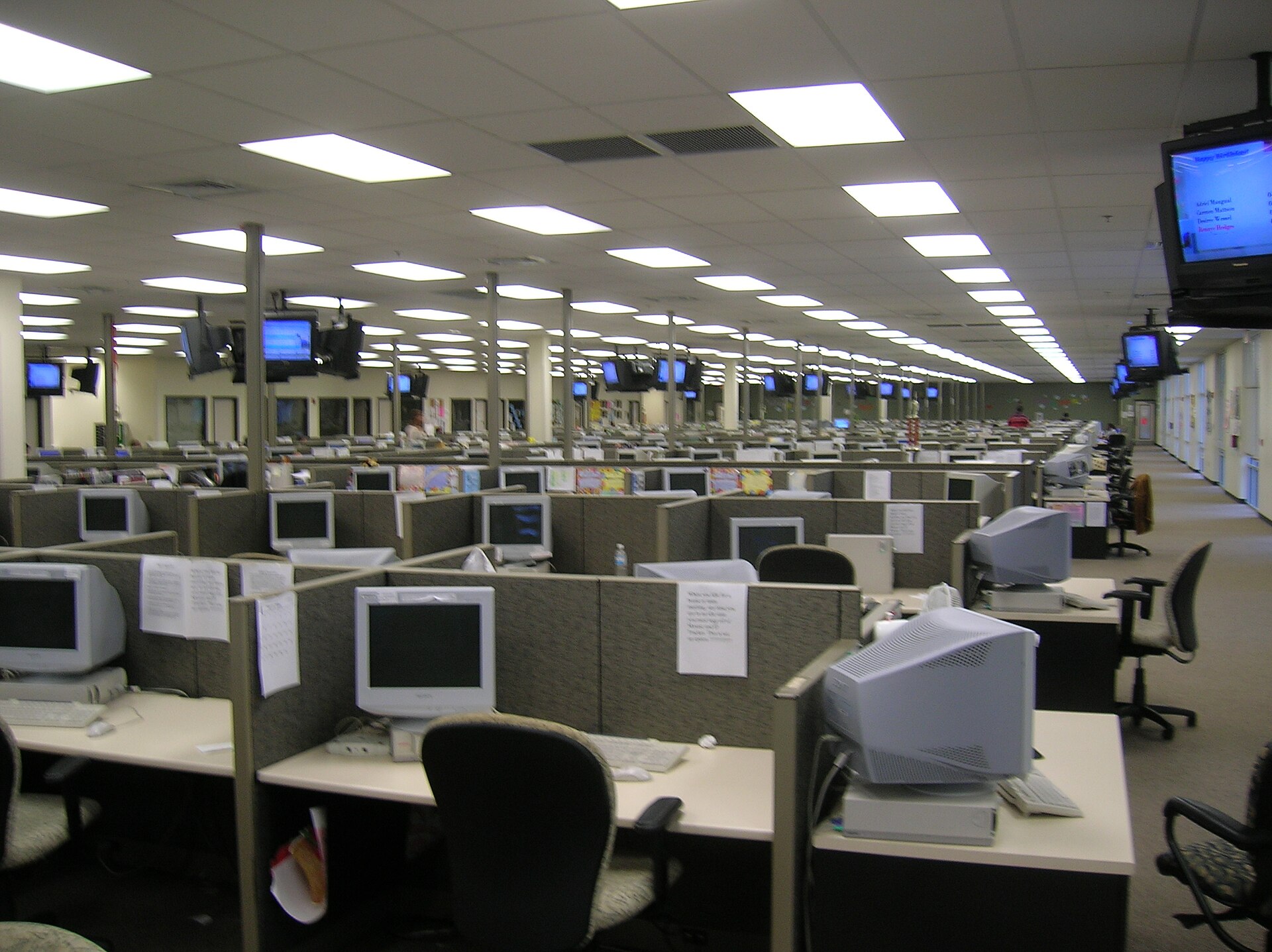
Mercari's customer service staff used to work on a mix of older devices that connected through VDI. That is a setup where employees log into a remote computer instead of using the one in front of them. The company says this caused friction, frustrated users and extra work for IT. It also meant running two sets of data protection rules, one on the remote system and one on the local device.
Mercari moved the protection into the browser. It now uses Chrome Enterprise Premium and Chromebooks in the environment run by its partner companies. Rules there block users from pasting or uploading files to places outside Mercari's approved business tools.
Where the savings come from
Mercari points to a few sources. Devices no longer need to be set up by hand before staff get them, thanks to a feature called zero-touch enrollment. The company also relies less on VDI and has merged several security tools into one setup. It names older tools for preventing data loss, managing devices and spotting attacks on them.
- Lower device costs
- Lower VDI running costs
- Fewer security licenses
- Less specialist work to keep VDI running
Why it matters
Customer service teams handle personal information every day. Mercari says the browser-based rules also let it use AI tools while limiting leaks to unapproved ones. Staff were already using the Chrome Enterprise browser, so the change was easier and people adopted it well, according to the company.
As a first step with AI, Mercari uses browser policies to allow a read-only version of Gemini in Chrome. Employees can work across several pages and use a side panel without copying and pasting. The company says this lowers the risk of unintended actions such as changing data.
What is not known
The post gives no dollar figures, no staff numbers and no results from after the change. The 50% estimate covers only the customer service environment, not all of Mercari. Because the author works at Mercari and the post sits on Google's blog, it is best read as one company's account. Mercari says it will keep testing the balance between AI productivity and security.
The takeawayIf staff handle customer data, rules on pasting and uploading in the browser may cost less than layers of extra tools, but Mercari's savings are still a projection.