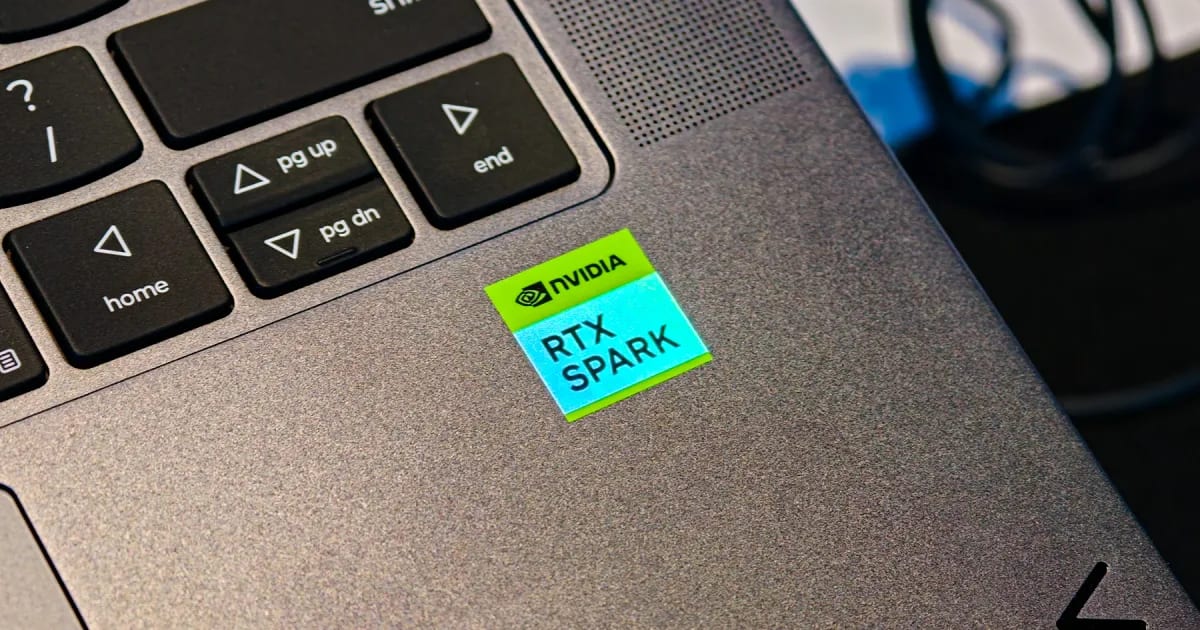
NVIDIA's new RTX Spark laptop chip may end up helping its rival Qualcomm. That is the argument in a Digital Trends opinion piece. The idea is that NVIDIA's pull with game makers and software developers could bring more attention to Windows laptops built on Arm chips, the same kind of design found in most phones. Qualcomm's Snapdragon laptops are part of that group.
What changed
NVIDIA is bringing its Blackwell graphics technology to Windows on Arm, working closely with Microsoft. According to NVIDIA, RTX Spark pairs a Blackwell graphics chip with a Grace processor of up to 20 cores. It also offers up to 128GB of memory shared between the processor and graphics. Actual memory depends on the setup and the task.
Microsoft has called RTX Spark another major investment in Windows on Arm, joining Snapdragon and a growing list of PC makers.
Why Qualcomm could gain
Qualcomm's Snapdragon X-series chips showed that an Arm-based Windows laptop can deliver strong everyday performance. Microsoft has also kept improving Prism, its tool for running older software built for traditional Intel and AMD chips. Still, app support, gaming and developer interest need more work.
That is where NVIDIA comes in. Its tools and relationships with game developers, researchers and creative professionals are already well established. If it makes Windows on Arm a bigger deal, Qualcomm could benefit even without selling a laptop that uses an NVIDIA graphics chip.
What it means for AI on your laptop
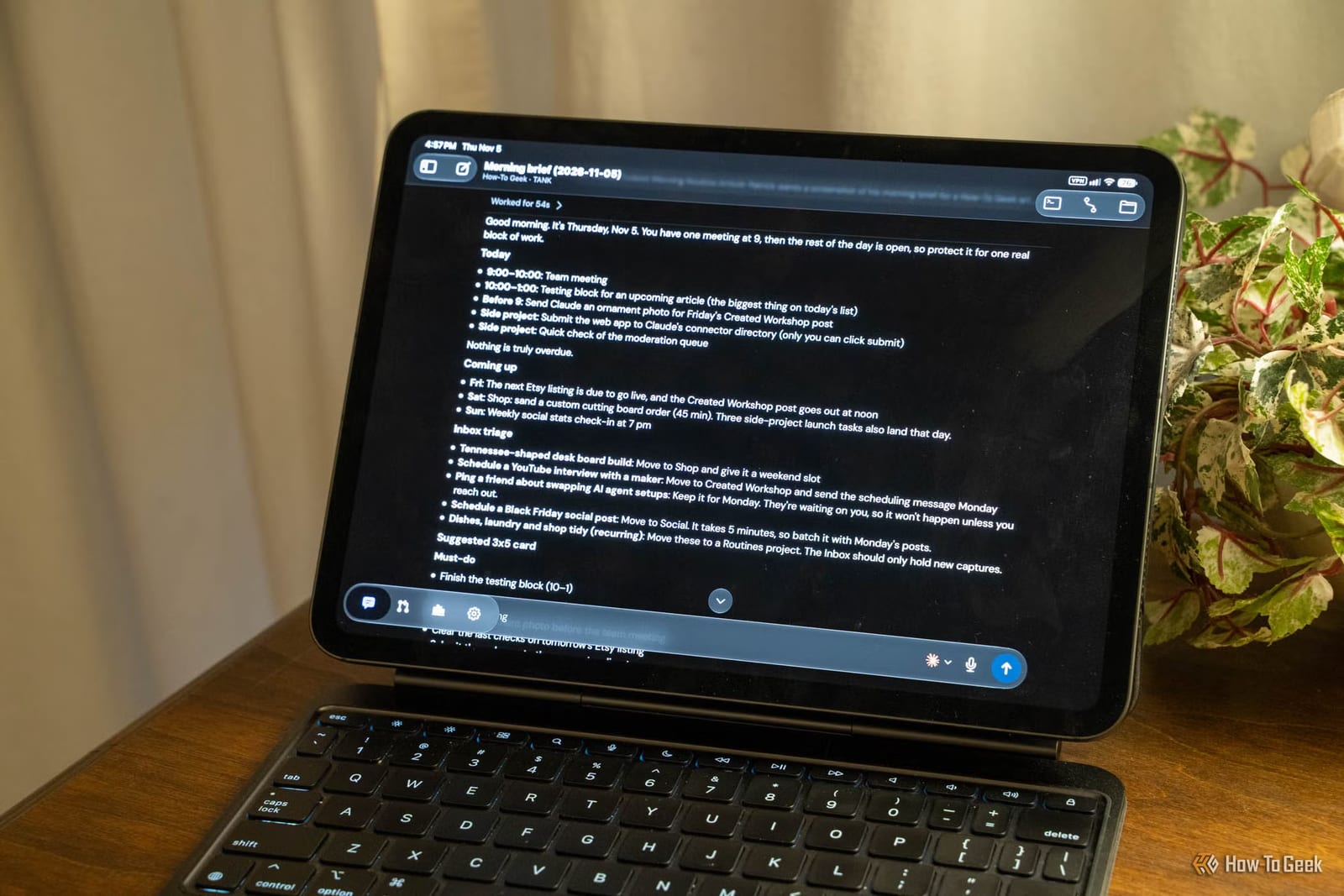
The writer tested local AI agents called Hermes and OpenClaw. These are programs that can work across apps, manage files and handle multi-step jobs. Running them on the laptop itself offers some perks:
- More control over your data
- Less reliance on an internet connection
- No per-request cloud fees for work done on the device
There are limits. Local AI is not automatically better at everything, and larger AI models use a lot of memory and power. The large shared memory pool is meant to give them more room to work.
Microsoft and NVIDIA also changed parts of Windows itself, including how it spreads work across processor cores, manages heat and power, and handles shared memory. Security is part of their joint work too, since an AI agent can potentially read files on a device.
What is not known yet
The material does not say which laptops will use RTX Spark, what they will cost or when they will go on sale. It also does not show whether more developers will actually build apps for Windows on Arm. For now, the claim is an opinion about what could happen.
The takeawayIf NVIDIA's chip draws more apps and games to Windows on Arm, your next laptop could run AI tools on the device with more privacy.