Microsoft says Windows 11 is about to run better on budget computers with limited memory. Pavan Davuluri, who leads Windows and devices, wrote in a blog post on Tuesday that the system will be up to 20% faster on PCs with small memory pools. The claim comes as high memory prices push up PC costs.
What Microsoft is promising
Microsoft says menus and built-in tools such as the Start menu, Snipping Tool and File Explorer should open faster. It also says multitasking should be up to 40% faster, based on its internal lab benchmarks. Davuluri implied that an 8GB laptop could handle a browser with a dozen or more tabs, some Office 365 apps and video editing at once.
How it works
Microsoft product manager Klaus Diaconu described the work as serious surgery on how Windows handles memory, also called RAM. The company is changing several things:
- Windows will compress data in memory more before falling back on the slower SSD, which could save close to 2GB.
- The Widgets pane will no longer load at startup.
- Edge will put unused tabs to sleep after 15 minutes, not two hours.
- Office apps will share one instance of WebView2 instead of each loading their own.
File Explorer, Notepad, Paint, Photos and the new search tool are also being rebuilt with WinUI3. They used to rely on WebView2, which Gizmodo describes as essentially a memory-hungry browser app. Microsoft is also fixing memory leaks, where Windows fails to hand back memory it was given.
What to take with a grain of salt
The 20% figure is mostly a feel, not a hard measure. Diaconu said you may notice it when right-clicking the desktop or opening the Start menu. Microsoft says it would help every Windows 11 PC, not only 8GB ones. Some features are still in beta. Users on early 26H2 builds report saving 1GB to 2GB of memory at idle, but mostly on 16GB machines.
Who it affects
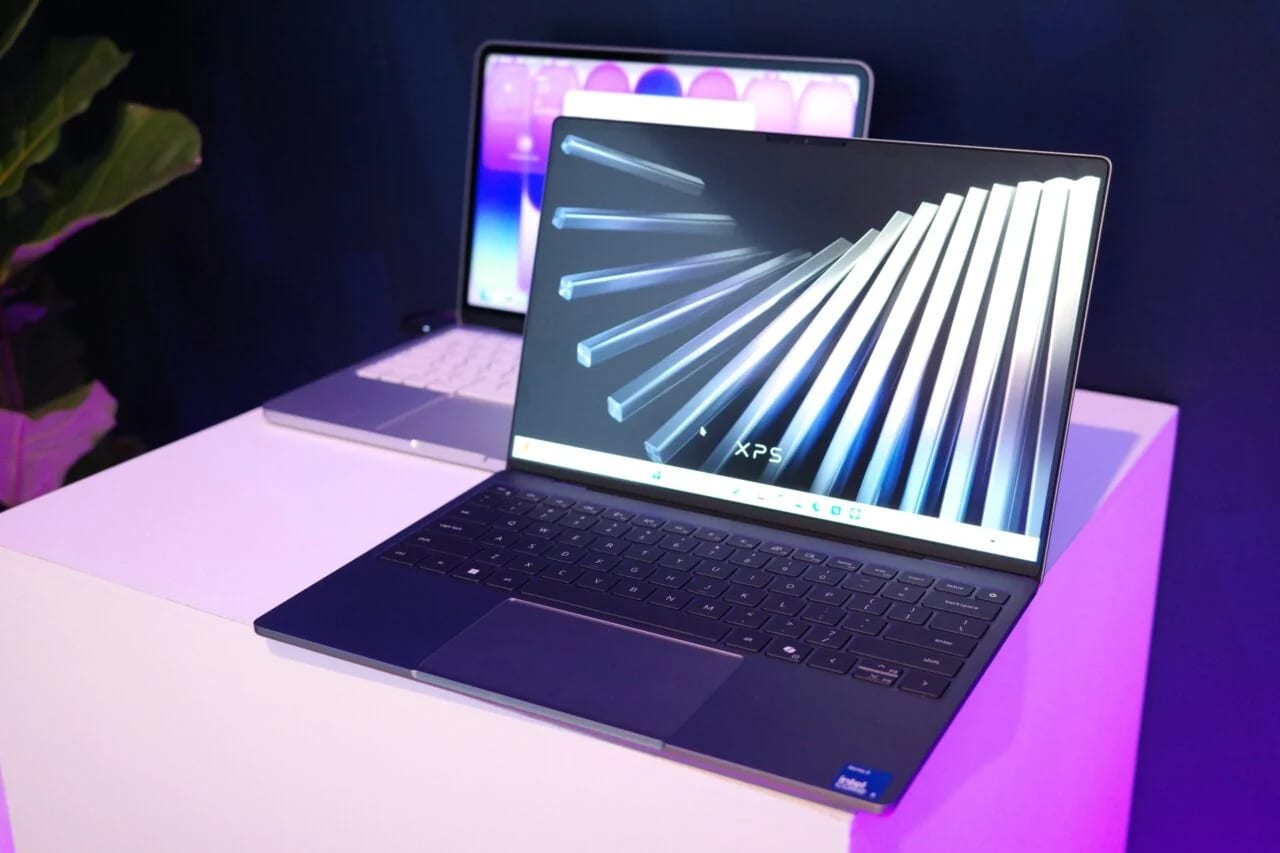
Anyone buying or keeping a budget PC. The Dell XPS 13 is only affordable at 8GB after price hikes, and Microsoft sells its cheapest Surface laptops with 8GB. Running AI on the PC itself still needs at least 24GB. The Copilot app can run in the cloud instead.
What happens next
Microsoft has not said when every change will reach all users. Gizmodo notes the company removed its earlier guidance that 32GB was needed for a gaming-ready PC. The outlet argues shoppers need a clearer way to tell which PCs suit which jobs. Microsoft is also working on a movable taskbar and a search tool that can change settings.
The takeawayDo not rush to upgrade a budget PC just for memory, but wait for independent tests before trusting Microsoft's 20% and 40% speed claims.