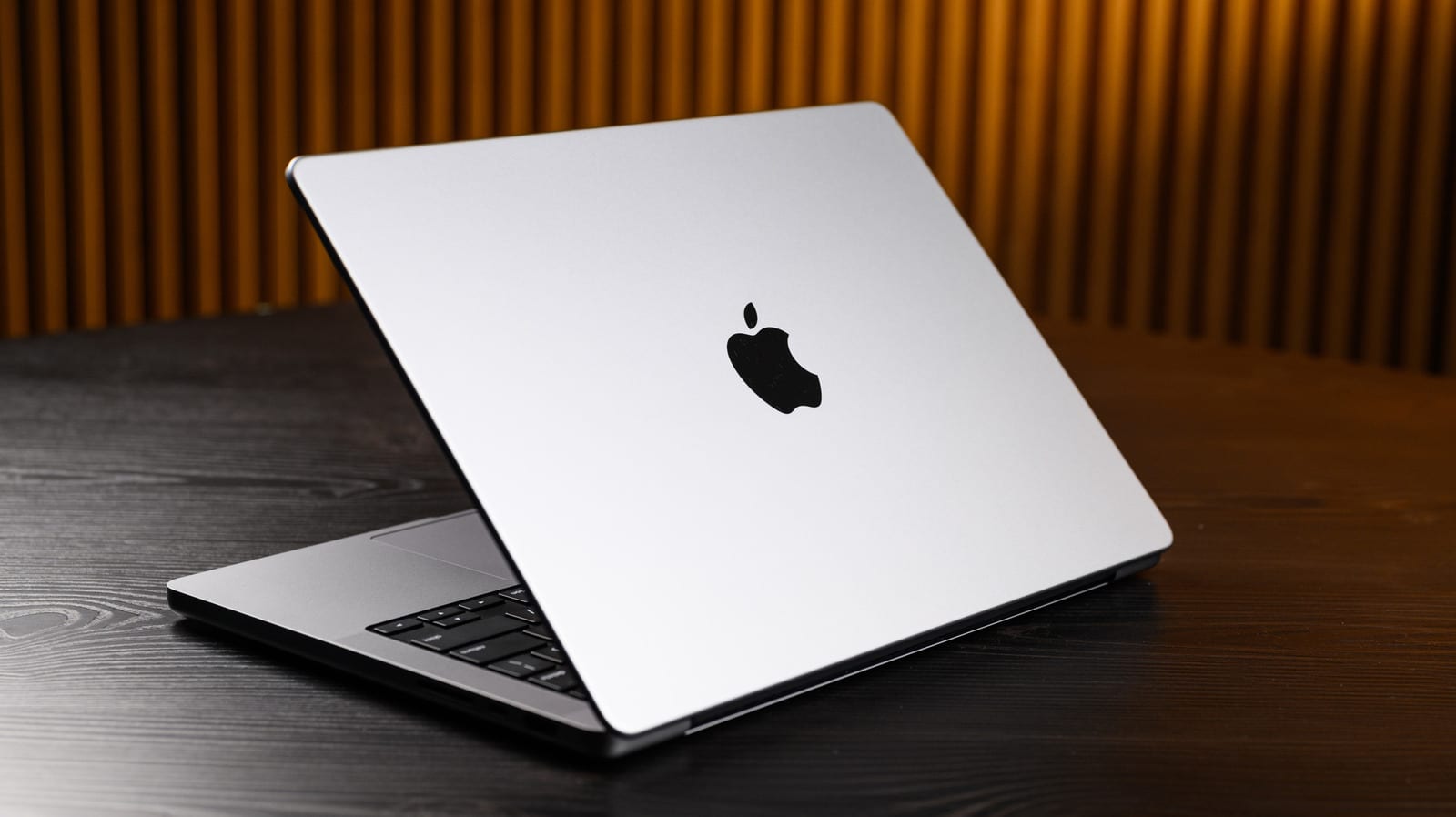
The laptop you buy next probably looks a lot like a MacBook, even if it says Dell, HP or ASUS on the lid. Engadget's 20-year look back at the MacBook argues that Apple's design choices set the pattern the rest of the PC industry followed. That covers thin metal bodies, very sharp screens and a short list of ports.
Where it started
Apple's first portable Mac, the 1989 Macintosh Portable, weighed 16 pounds and cost far too much. It failed quickly. The PowerBook line followed in 1991, and the colorful iBook G3 in 1999 was the first real hit with everyday buyers. In 2006, the first MacBook Pro arrived with the same Intel Core Duo chips found in regular PCs. Apple was now competing with PC makers head on.
The metal body
In 2008, Apple introduced MacBook Pro and MacBook Air models with a "unibody" case, carved from a single block of aluminum. It was stronger, lighter and better looking than mainstream laptops of the time. PC makers struggled to copy it for years, mainly because Apple had a stranglehold on the global supply of metal laptop cases.
Razer got close with its 2011 Blade gaming laptop. Intel's push for thin "Ultrabooks" brought more copies. Dell's first XPS 13 paired an aluminum case with carbon fiber palm rests. HP covered its Envy 14 in Gorilla Glass, a tough type of glass, to stand out.
Sharper screens
The 2012 MacBook Pro brought over the "Retina Display" idea from the iPhone 4. Its screen is so sharp that you cannot pick out single pixels, the tiny dots that make up an image. That started a race among PC makers to pack in better screens and more pixels. One note of irony: Dell led the way on very thin screen borders, and Apple took nearly a decade to seriously shrink its own.
The port cut
The 2016 MacBook Pro was lighter and thinner than before. It also dropped older ports, leaving four USB-C ports and a headphone jack. A cheaper version had just two USB-C ports. Many professionals were left out in the cold, since there was no SD card reader, no standard USB-A port, no HDMI video port and no dedicated MagSafe power port.
Apple's move gave other companies permission to do the same. Engadget points to the XPS 13, HP Spectre and Microsoft Surface laptops after 2016. The Touch Bar, a thin touch strip above the keyboard, was divisive, and few PC makers tried to match it.
What it means when you shop
Engadget also notes Apple's stumbles. The first MacBook Air was far too slow, and the 2016 port cuts came at the cost of practicality. Even those, the writer says, became lessons for the PC industry. For buyers, the takeaway is practical:
- A thin metal body is now normal, not a luxury feature.
- Sharp screens are expected on laptops at many prices.
- Check the port list first if you use SD cards, HDMI or older USB devices.
The takeawayBefore buying a laptop, check its ports against the devices you use, since the slim, few-port design Apple popularized is now common.