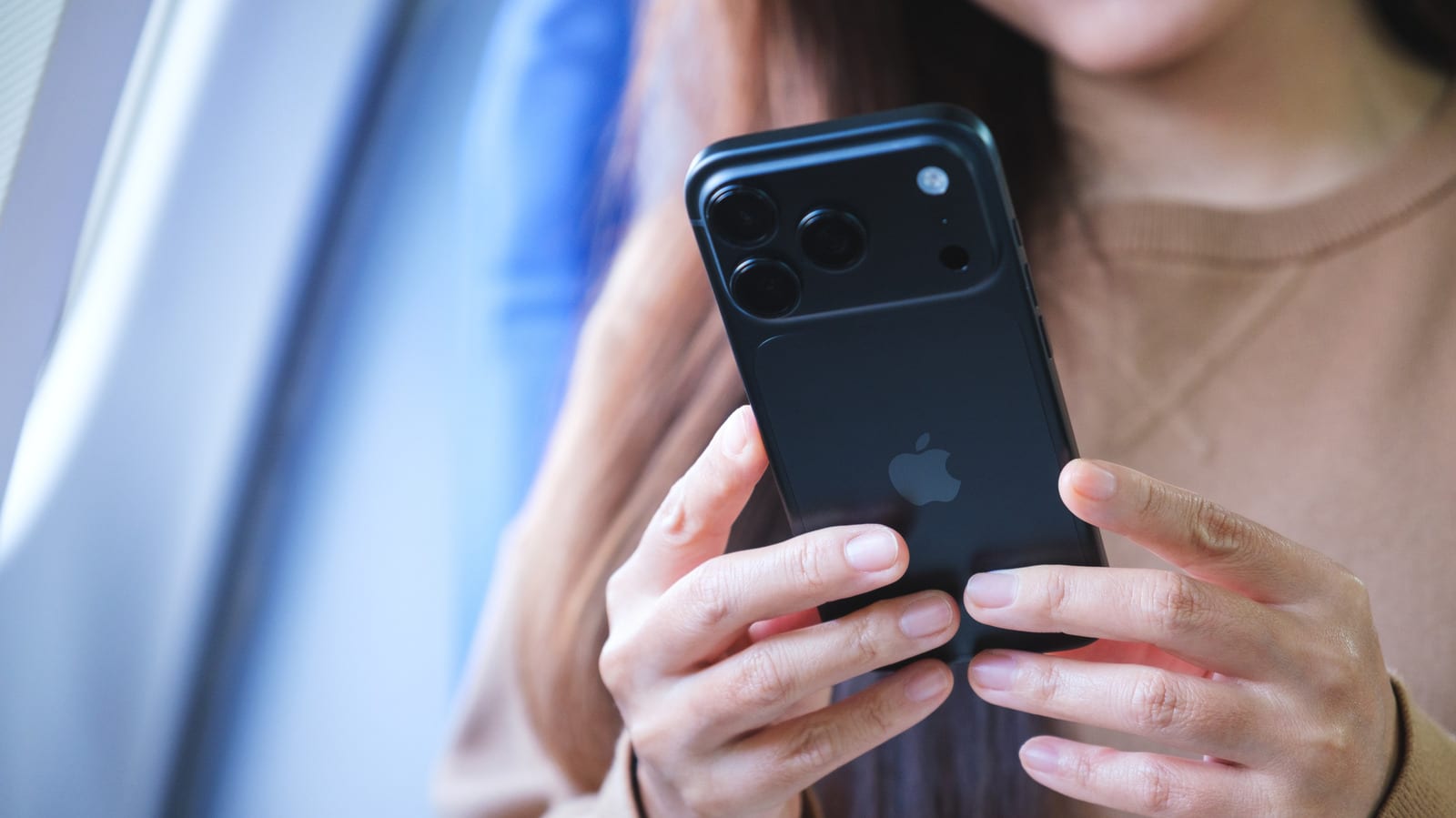
Most people can skip the 2TB phone and keep $1,200. Engadget's guide says a 128GB or 256GB phone covers daily use for photos, apps, music and the occasional episode saved for a flight. The biggest storage option is mostly for a small group of heavy users.
The price gap
An iPhone 18 Pro with 256GB of storage starts at $1,199. The 2TB model costs twice as much. The new iPhone Duo goes from $1,999 for 256GB to $3,199 for 2TB. That is a $1,200 jump for storage that most buyers will never fill.
Why most people can skip it
Phone habits have changed. Photos can back up to the cloud automatically. Streaming apps have replaced a lot of downloaded media. Social and messaging apps also take up less space than they did a decade ago. For the average buyer, that means a modest amount of storage goes a long way.
Who should pay more
Some users can justify the extra cost, because they do not want to keep deleting files, removing apps or carrying external drives. Engadget points to these groups:
- Video creators who shoot ProRes RAW, which can use more than 10GB a minute.
- Professional photographers, since RAW files can be up to 10 times larger than JPEGs.
- Gamers whose installed games add up to over 100GB.
- People who do not want to hand their pictures and videos to iCloud.
For video, the math is blunt. Apple says ProRes RAW HQ can use more than 15GB a minute. A 10-minute take can approach or pass 100GB, and serious work usually means several takes. Engadget says anything under 1TB is impractical for that kind of work.
Travelers who download films can also fill a phone. One movie can run 3GB to 4GB. Some games take 20GB to 40GB each.
What about Android
No Android phone comes with 2TB of built-in storage, so the 2TB question is mainly an iPhone one. Some Samsung and Sony phones accept a microSD card up to 2TB. But most apps cannot be moved to the card, so it only helps if you change the default folder for new files.
How to choose
Cloud storage is not a cure-all. ProRes video cannot record straight to iCloud or similar services. It has to be saved on the phone first and uploaded later. In remote places with weak signal, you cannot offload footage to free up room.
- 128GB or 256GB: a few photos a day, some apps, occasional streaming and a couple of games.
- 512GB: power users and gamers who want to install everything they like.
- 1TB or 2TB: pro creators who want to avoid external storage.
The takeawayBefore paying $1,200 more for 2TB, check how you really use your phone. Most people will be fine with 128GB or 256GB.