An AI math tutor built on Google's Gemini helped UK students about as much as human tutors did, according to a new study from Google. The catch is that the study was run by Google, human experts checked every AI reply before students saw it, and the gains did not show up on one outside standardized test.
What the UK trial tested
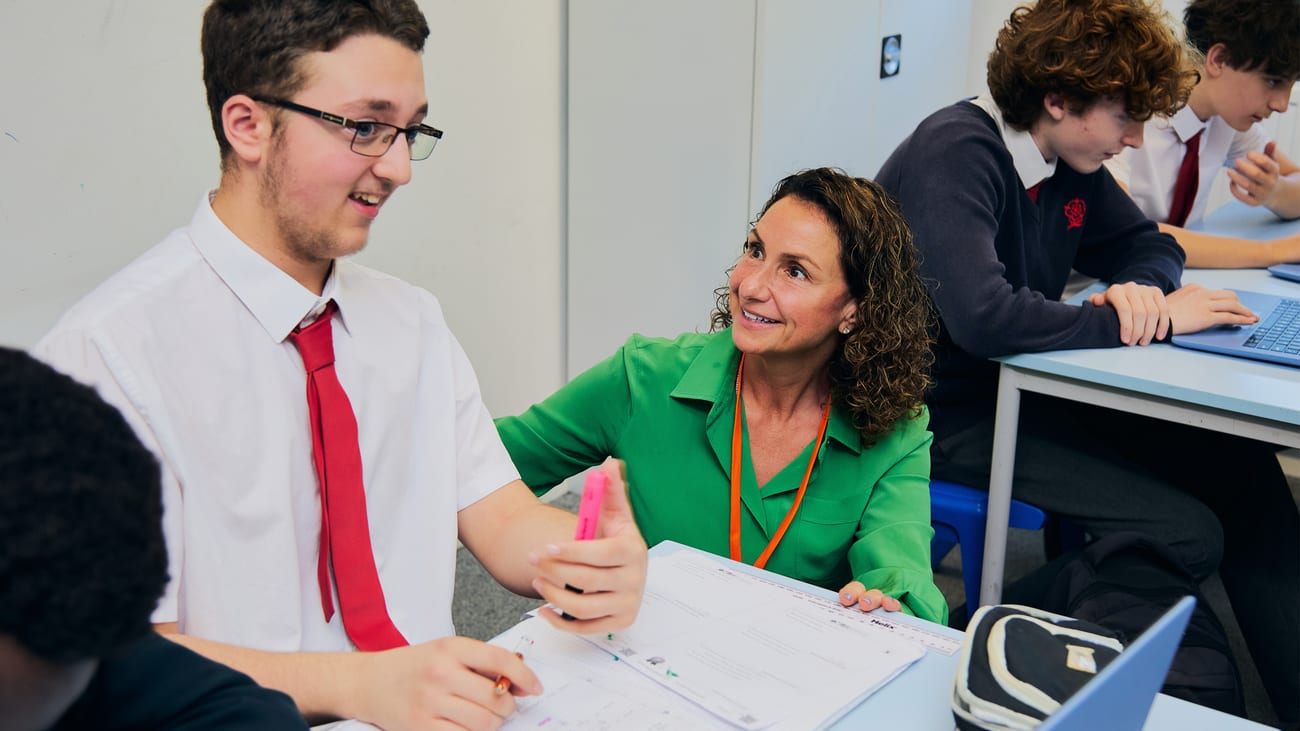
The trial ran 10 weeks with over 1,100 students ages 12 to 15. It was a randomized controlled trial, which means students were split into groups by chance so the groups can be fairly compared. Lessons ran on Eedi, a school math platform. When a student got a question wrong, they received one of three kinds of help: a fixed hint, a human tutor, or interactive AI tutoring.
What the results showed
On daily classroom tasks and quizzes, students with AI tutoring did about as well as students with human tutors. Google also says the AI improved over last year. Expert reviewers fully approved its replies 95% of the time, up from 76%.
- Gemini guided students instead of handing over answers in nearly 99% of sessions.
- Students worked through the math themselves in more than 85% of their chats.
- Human experts reviewed every AI response in real time before a student saw it.
The part that did not work out
The gains did not appear on STAR standardized tests over the same 10 weeks. Google's explanation is that step-by-step tutoring is slower. Students averaged about 14 problems per session with AI tutoring, versus 19 with fixed hints, so they covered less material. Google says it is planning follow-up trials across a full school year.
What happened in Italy
A separate yearlong study covered 31 schools in the Salesians of Don Bosco network, with the Pontifical Salesian University in Rome. It drew on 1,600 teachers, representing over 24,500 students ages 13 to 18. Here the AI helped teachers plan lessons rather than tutor students directly.
Teachers who used Gemini to co-design lessons reported feeling more creative: 79% with Gemini versus 30% without. Traditional front-of-the-room lectures dropped by 38%. Google also reports more group discussion, higher student participation and less daily stress for teachers. Part of the data came from teachers' own reports, so it reflects how they felt as well as what they did.
What parents can ask
If a school tries AI tutoring, two questions follow from this study. Does a person check the AI's answers? Is the tool set up to guide students toward the answer instead of simply giving it? In this trial, both safeguards were in place.
The takeawayAI tutoring can work when humans check it and it guides kids, but this trial did not show gains on a standardized test.