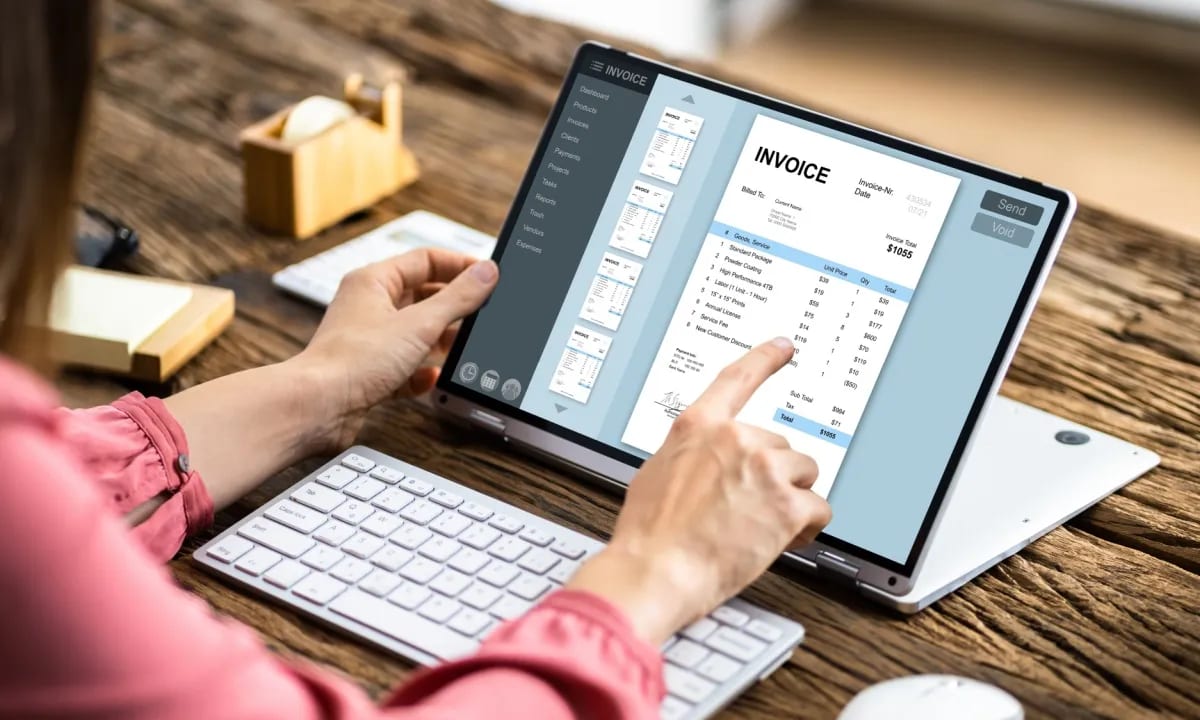
Europe is changing how businesses bill each other. Under new eInvoicing rules, invoice amounts, tax details and transaction references must go into set fields that accounting software can read and process. Countries are rolling this out on different dates, and a cross-border step follows in 2030.
What changed
The idea is a common format between suppliers, buyers and the service providers in between. The supplier's software prepares the invoice. An exchange service routes it. The buyer's accounting system assigns it to the right account and approval process. The rules touch everything from supplier onboarding and purchasing to accounts payable and collections.
Key dates by country
- Belgium: mandatory structured eInvoicing began Jan. 1 for nearly all domestic deals between VAT-liable Belgian businesses.
- France: rollout began Sept. 1. Businesses in scope must receive e-invoices. Large and mid-sized firms must also issue them.
- France, smaller firms: small, medium-sized and micro businesses must issue e-invoices from Sept. 1, 2027.
- Germany: the general deadline to issue is Dec. 31, 2026. Firms with prior-year turnover of 800,000 euros or less get until Dec. 31, 2027.
- Spain: Oct. 6, 2027 for firms above 8 million euros in prior-year turnover, and Oct. 6, 2028 for the rest.
Spain also set technical rules this month. Its Order HAC/1028/2026 requires invoices sent through its public B2B system to follow the European EN16931 data model, using a format called UBL. From July 1, 2030, an EU package called VAT in the Digital Age adds digital reporting based on eInvoicing for cross-border business sales within its scope.
Why payments are part of this
An invoice is only one step. The buyer checks the agreed price and what was delivered, then releases money. Afterward, the supplier has to match the payment to the right invoice. A September Cleveland Fed analysis describes the manual work that results when payment details travel separately from the payment itself. Keeping the invoice reference attached through settlement avoids that.
Businesses already see the pressure. In a PYMNTS Intelligence survey of 271 senior finance and payments executives, 22% named better links with accounting, planning or treasury systems as the top improvement for B2B payments. Among firms with at least $25 million in annual revenue, it was 29%. Another report found 70% of surveyed firms planned to adopt or expand automatic matching of payments within 12 months.
What to do
If you sell to or buy from European firms, find out which country rules apply to you and when. Ask your invoicing software provider whether it can meet those deadlines. Also confirm that invoice references stay attached from approval through payment, so partial payments, credit notes and open balances are easy to track.
What happens next
Deadlines arrive in steps, with smaller firms generally getting more time. The material does not say how every country's rules apply to businesses outside Europe, so check with your provider or accountant.
The takeawayIf you trade with European firms, ask your invoicing provider now whether it meets each country's deadline and keeps invoice references through payment.