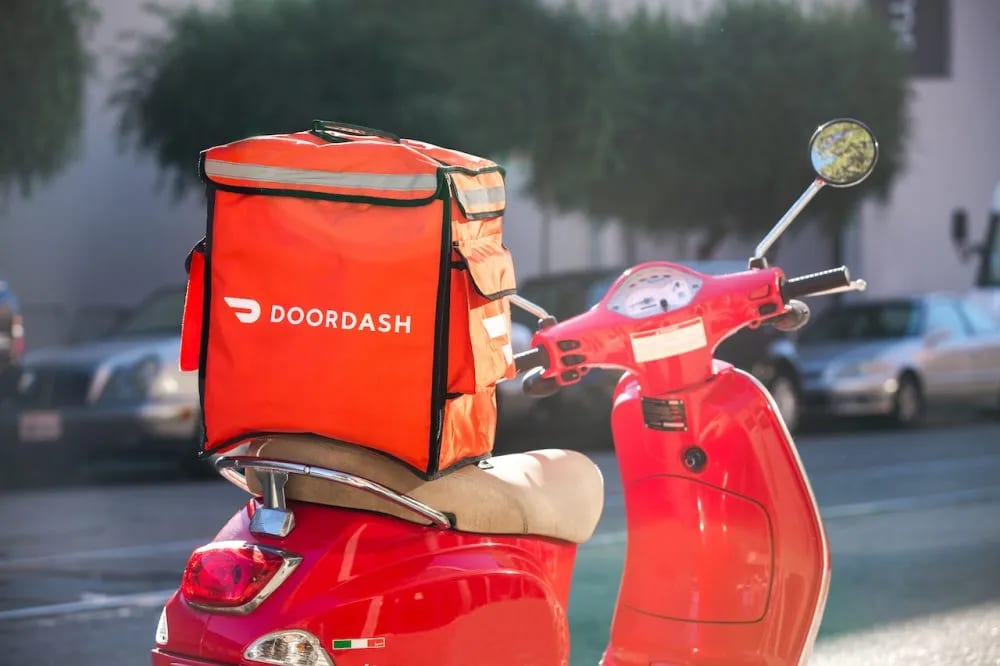
DoorDash has announced a plan to buy Instacart for $17 billion. If the deal goes through, it would join two of the biggest delivery apps in the U.S. Together they account for 77% of consumer spending on U.S. delivery platforms, according to the research firm Consumer Edge. The deal is a proposal and is not final.
What the deal would combine
DoorDash began with restaurant delivery. It has since added more apparel retailers and grown DashMart, its own delivery-only convenience store. Its revenue grew nearly 24% between 2023 and 2024, and nearly 28% between 2024 and 2025. Instacart, which started in grocery delivery, has lost ground. Its share of U.S. delivery app spending fell from 26% to 18% over five years.
Why Amazon is part of the story
DoorDash is already growing faster than its biggest rivals, so some analysts say Amazon is the reason for the deal. "Amazon is moving toward delivering things faster and faster," said John Harmon of Coresight Research.
Amazon is known for two-day shipping through Prime. This year it launched one-hour delivery in hundreds of cities in March. In May it launched Amazon Now, which is live in dozens of major U.S. cities. It promises delivery of thousands of items, from groceries to household basics, in 30 minutes or less. The risk for DoorDash is that Amazon becomes the name people link to fast delivery.
Where Uber fits
Uber Eats has held just under 20% of U.S. delivery app spending for five years. Uber has made its own big move. In July it announced plans to buy Germany's Delivery Hero for $15 billion. Reuters said that would create the largest food-delivery group outside China.
Uber also has a ridesharing business, which DoorDash lacks. That lets advertisers reach people while they order a ride, such as when they are traveling or on vacation. A combined DoorDash and Instacart would find that harder to match.
What it could mean for stores and shoppers
DoorDash says the deal would help local grocers and restaurants. Its press release said more grocers could use Instacart's technology to run their own websites and ad businesses. They could also add capacity for online orders through DashMart. The article notes the pitch may also be meant to ease antitrust concerns, which are worries that a deal leaves too little competition.
Advertisers may gain too. Data from restaurant orders and grocery orders could sit in one place. Greg Carlucci of Gartner said that would allow more measured outcomes that can be proved.
What is not known yet
- Whether regulators will approve the deal.
- When the deal might close.
- How prices or fees for shoppers could change.
The article does not say how the deal would affect what people pay for groceries. Fewer big delivery apps could mean less price competition. Faster options from Amazon and Uber are also growing.
The takeawayDoorDash and Instacart would control most U.S. delivery app spending, but Amazon and Uber are pushing hard, so watch whether prices and delivery speed change.