An AI consultant told Axios that one large company ran up roughly $500 million in Claude charges in a single month. The reason, as told, is that administrators never set limits on how much employees could use. Neither the company nor Anthropic, which makes Claude, has confirmed the number. It should be read as a reported estimate, not a verified invoice.
How the bill can get so big
Anthropic's enterprise pricing has two parts. A company pays a fee for each seat, meaning each person with access. On top of that, it pays for metered usage, which means the bill grows with every request the AI handles. Costs follow how much the tool is used, not just how many people have it.
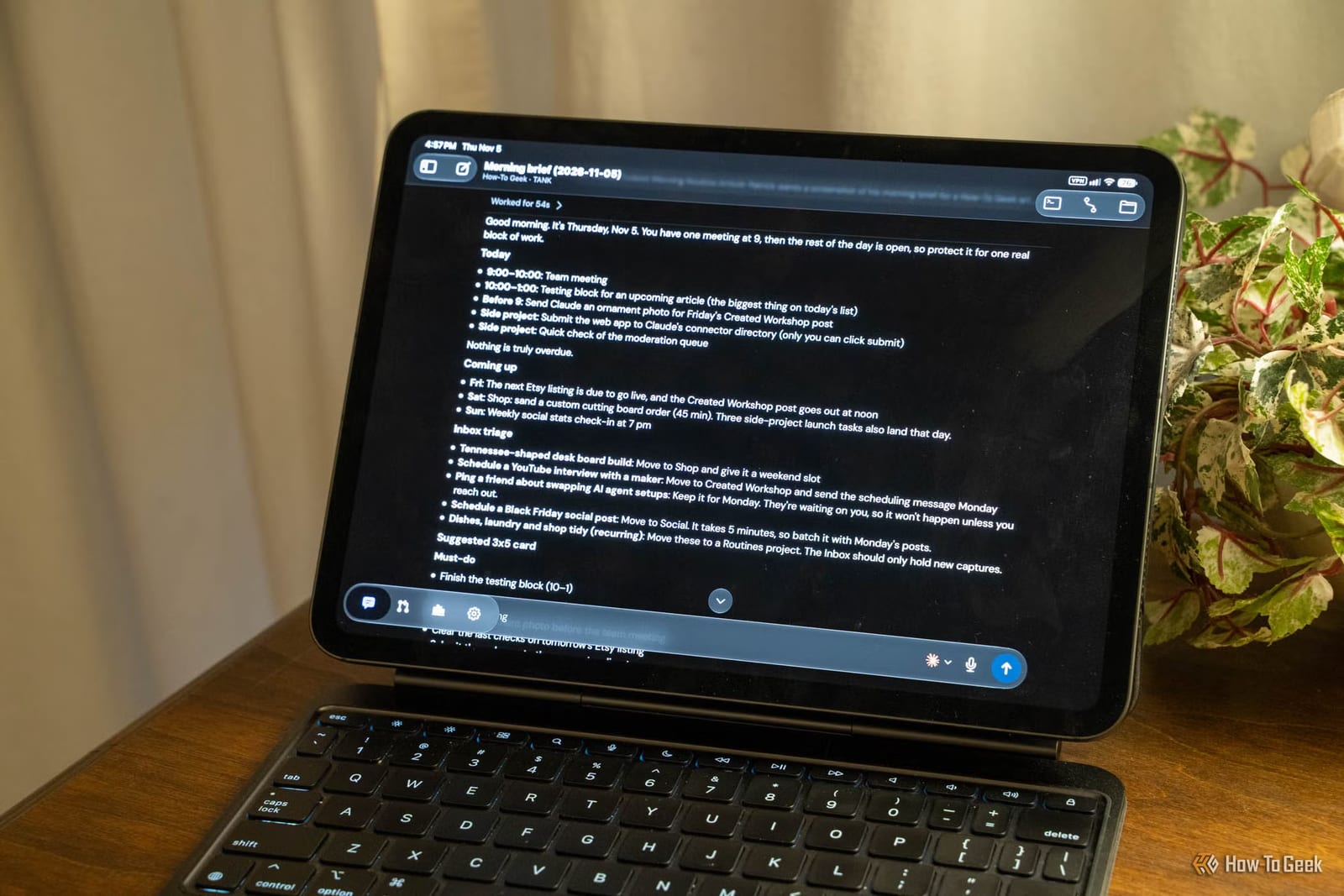
AI agents make this sharper. An agent is a program that works through a task on its own, and it can call the AI again and again. Those charges can pile up before anyone looks at a dashboard.
What normal costs look like
Anthropic's own estimate for its coding tool, Claude Code, gives a sense of scale. It puts the average at about $13 per developer per active day, or $150 to $250 per developer per month. It also says costs vary a lot. Spread that across a big company with no caps and heavy use, and the totals climb fast.
Why employees used so much
The reporting describes "tokenmaxxing." That is when employees tell AI agents to do pointless work so their usage scores look high. Financial Times reporting, cited in secondary sources, says Amazon shut down an internal AI usage leaderboard after employees allegedly gamed it this way.
Sophia Velastegui, a former Microsoft chief AI officer, told Axios that "most people default to automating tasks they dislike rather than tasks most valuable to the company." One example from the reporting is employees sending weather checks through a top-tier AI model, when a free app answers in two taps.
What to do
Anthropic's documentation says enterprise customers can set limits. The tools are there, but they have to be turned on. Any business that pays for AI by usage can take a few steps now:
- Set a spending limit for the whole organization.
- Set limits for individual users.
- Use custom rate controls to slow heavy automated use.
- Judge AI use by value, not by how much of it is used.
What is not known
The company is unnamed, and the $500 million figure comes from one consultant. How the charges were split between seats and usage has not been reported. The lesson holds either way: with usage-based pricing, an unchecked tool can cost far more than expected.
The takeawayIf your business pays for AI by usage, turn on spending limits now, because the bill grows with every request, not just every employee.