Residents across Arizona are organizing against new data centers, and water is the main worry. The state already has 172 of them, and few people objected. But newer, larger projects proposed from Phoenix to Tucson need more water, power and land than many locals will accept. The opposition is grassroots and, surprisingly, bipartisan.
Why the pushback is new
The first wave of data centers was largely ignored. The same goes for TSMC, the Taiwanese chip maker whose Arizona complex was welcomed with open arms. Now residents are packing city council meetings, with dozens lining up to speak against projects. Over the past two years, some have taught themselves zoning rules, land use and water consumption so they can argue their case.
The water math
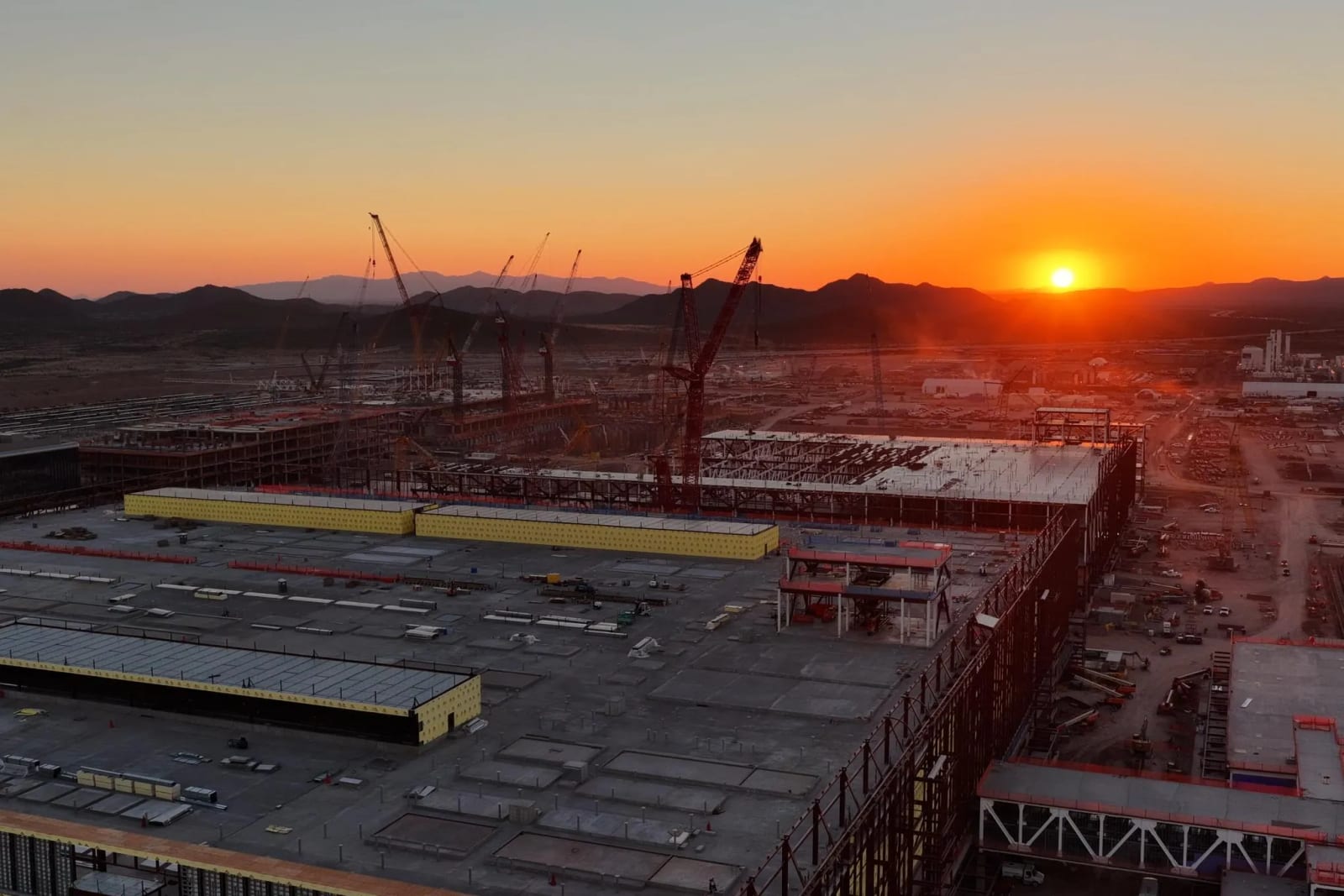
TSMC's Arizona complex draws nearly 5 million gallons a day from Phoenix's municipal supply. Developers say data centers need less. Google's facility in The Dalles, Oregon, uses about 1.5 million gallons a day, roughly one-third of TSMC's amount.
Those assurances are not landing. Arizona will soon lose access to nearly 30 percent of the water it gets from the Colorado River. In a desert state, residents say every gallon counts.
Why chips got a warmer welcome
Phoenix courted TSMC to revive an economy that never fully recovered from the Great Recession. Christine Mackay, who leads the city's economic development office, helped bring the company in. TSMC announced the plan in 2020 with a projected $12 billion investment by 2029. That figure has grown to $265 billion, which the company calls the largest foreign direct investment in US history.
The second fab, as chip plants are called, is finished. A third is under construction, with more planned. Some local leaders may have hoped data centers would repeat that success.
What it means for you
AI tools, search and streaming all run on data centers. If communities keep blocking new ones, where they get built could change, and so could the cost of running them. Developers typically pitch jobs, tax revenue and infrastructure in exchange for water and power.
What is not known yet
- How much water the proposed Arizona data centers would use.
- Which projects will be approved, changed or rejected.
- How the loss of Colorado River water will play out in local decisions.
The takeawayWater supply is becoming a deciding factor in where AI data centers get built, and Arizona is an early test of how much locals will accept.