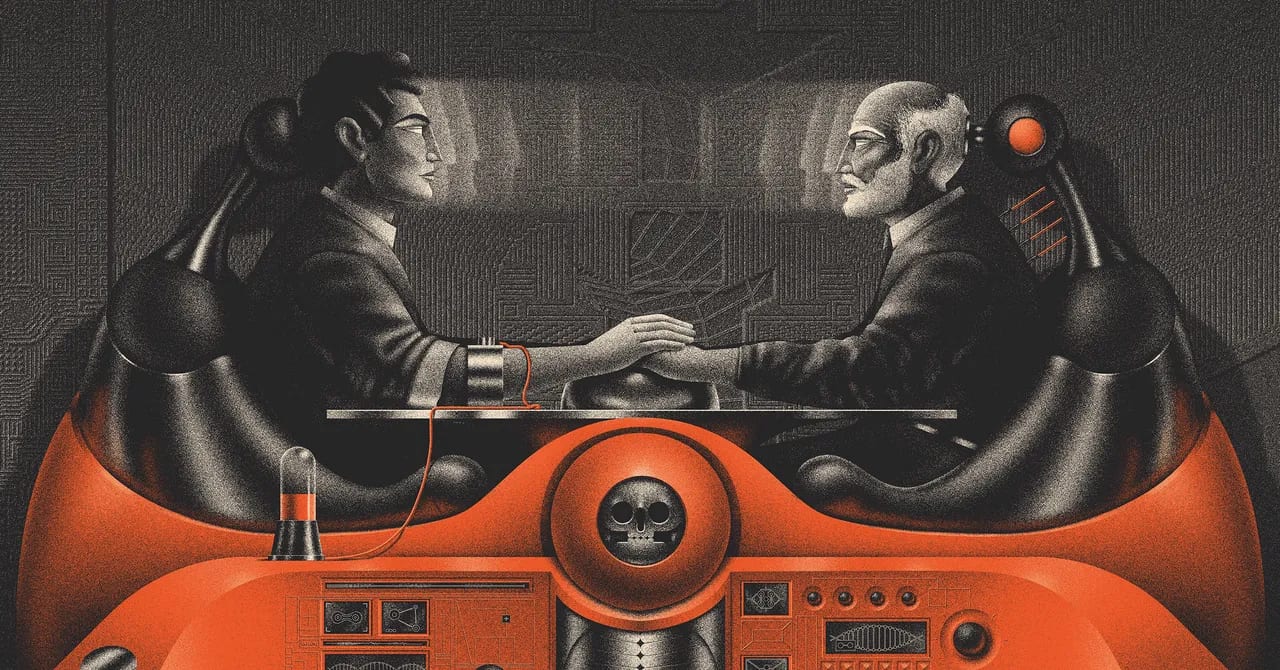
A Wired writer gave an AI app called Death Clock his health details and his blood. It told him he would likely die at 74. Days later he mentioned a mild family history of diabetes, and the app changed the number to 73. The writer, who is 40, said the month left him feeling drained rather than empowered.
What happened
Death Clock launched in 2024. It predicts life expectancy from your habits and health, then builds a plan meant to extend your life. After a questionnaire, it named three likely causes of death for the writer: cardiovascular disease, a sleep disorder or cancer. It did not say which type of cancer.
The app also told him he had already lived more than half his life. Then it offered him a choice of two paths and said it would help him reach the longer one.
What it costs
In February, the company added blood tests you can order through the app. A $69 subscription covers a basic panel. It checks cholesterol, blood sugar, inflammation, vitamin D, and blood and organ health. Nine more tests cover areas like hormones, micronutrients and the thyroid. Buying all of them brings the total to $780.
The writer chose the basic panel plus a $29 stress test. His blood was drawn at Quest Diagnostics, one of the app's two lab partners.
How the AI works
The company says its AI learned from 1,200 longevity studies, life insurance data and life expectancy tables. Based on results, it creates a prevention plan.
The plan kept growing. The app told the writer to raise his vitamin D3, schedule a bone density scan and discuss a prostate cancer screening with a specialist. It also kept urging him to talk to a doctor, even though CEO Brent Franson says he wants the app to eventually replace primary care physicians.
What experts say
Franson himself warned against promising immortality. He said people with something to sell must be careful, because everyone will die eventually. He also agreed there is an unhealthy obsession with tracking and controlling everything.
Mike Ludkovski, a UC Santa Barbara professor who studies longevity, said apps like this sell the illusion that a lifespan can be hacked. He said the triggers of death for any one person are random and will never be truly forecastable. A 2024 Aging Cell study also suggested an aging clock should not be treated as a full measure of biological age.
What to do
- Treat any predicted death age as a guess, not a result.
- Check the full price before adding extra tests.
- Take blood results and any to-do list to a real doctor.
The takeawayA death date from an app is a guess, so take any blood results and health advice to a real doctor before acting.