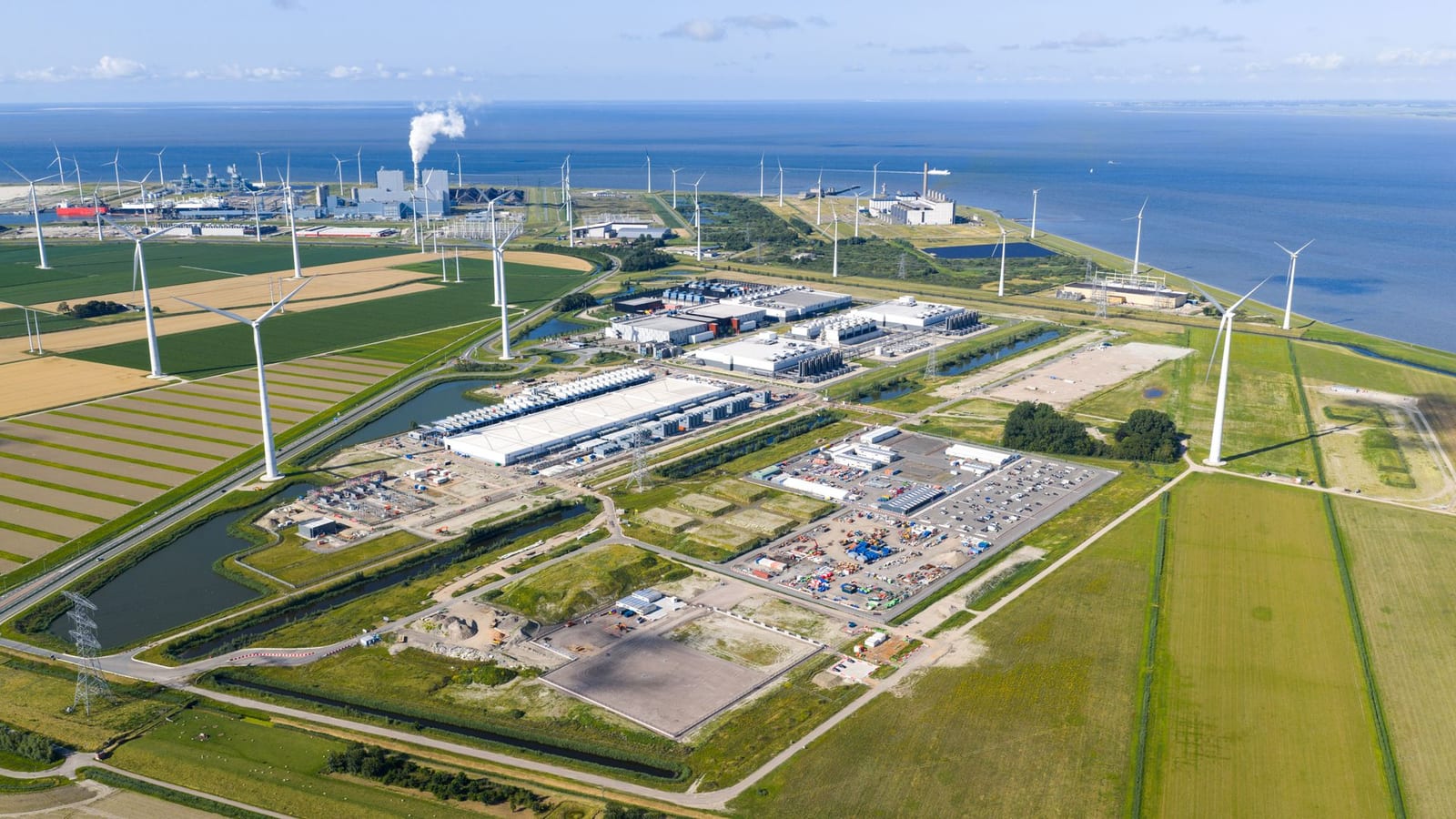
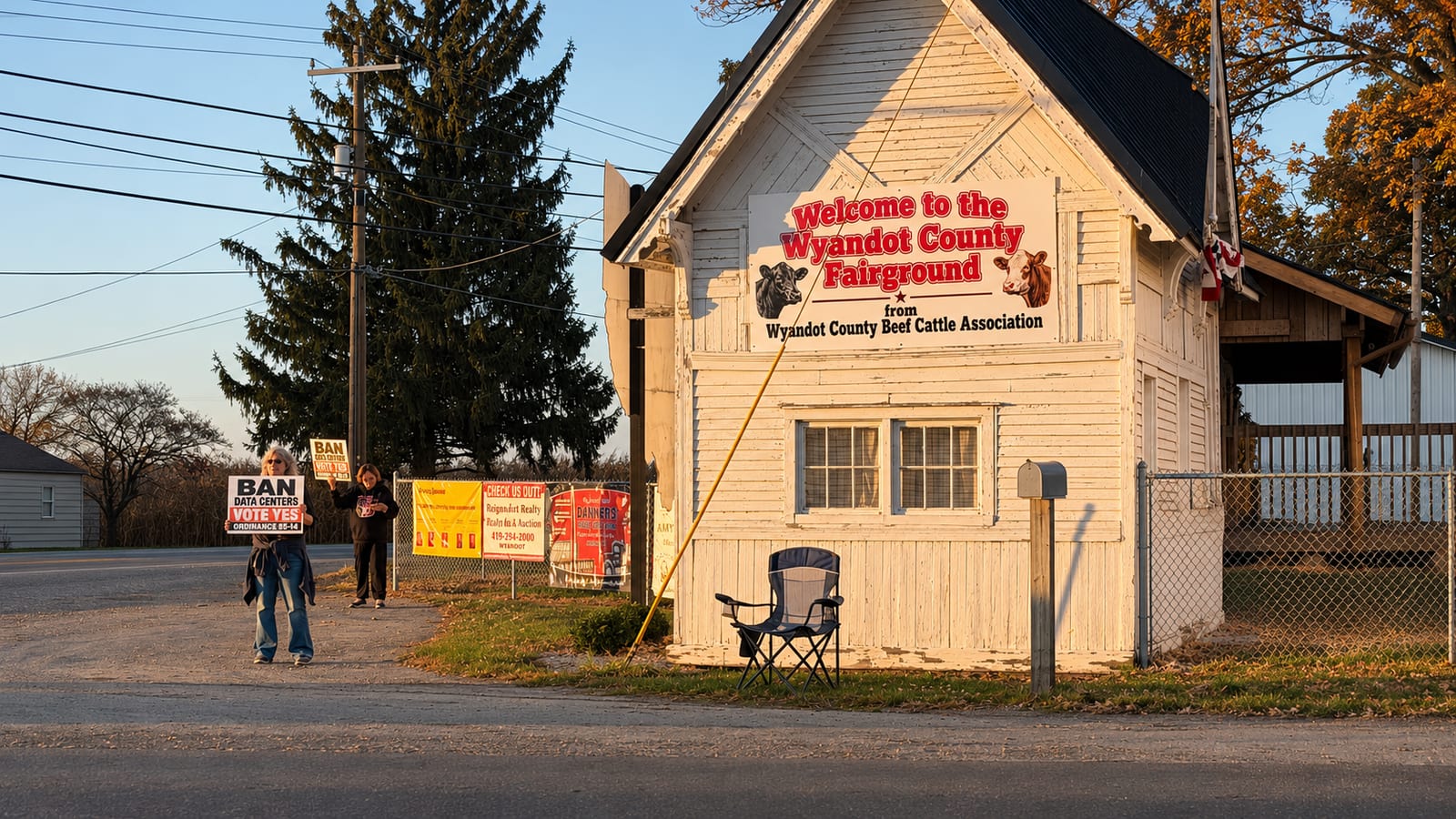
Living near a data center may not hurt your home's value. A Realtor.com study from August 2026 looked at 43 ZIP codes where large data centers opened between 2019 and 2025. It found no statistically significant difference in price growth during the first two years, compared with similar neighborhoods without one.
What the study found
Researchers compared the ZIP codes with data centers to similar areas that did not get one. Homes near newly opened facilities generally gained value at about the same rate as comparable homes elsewhere.
There are limits. The study used ZIP-code averages, not individual homes. It left out Texas and 11 other states where sale prices are not public. It also tracked prices for only two years after a facility opened.
Why rural areas are the next test
A Pew Research Center analysis from April 2026 found that 67% of planned U.S. data centers are in rural areas, compared with 13% of those already running. Also, 39% of planned sites are in counties with no data center today.
Realtor.com found the median large data center opening in 2026 sat in an area with 32 homes per square mile, down from 116 in 2017. Because sites are moving to thinly populated places, past results may not predict what happens next.
The bigger worry: power bills
Data centers need huge amounts of electricity. Utilities may have to build more power plants, power lines and substations. The open question is who pays. A June 2026 report from Lawrence Berkeley National Laboratory estimates data centers could use 9.5% to 15.3% of U.S. electricity by 2030, with a central estimate of 11.8%.
Not every data center is for AI. These buildings also run cloud storage, websites and streaming. Virginia leads with 674 facilities that are operating, under construction, planned or held as future sites. Texas has 537, California 296 and Georgia 276.
What to ask if one is proposed
- Will new power lines, substations or plants be needed, and who pays for them?
- Where will cooling water come from, and what happens in a drought?
- What are the noise limits, generator testing rules and construction hours?
- Will landscaping or other buffers separate the site from homes?
Answers may appear in zoning applications, planning board meetings, utility filings or environmental permit reviews. Also check whether a project is only proposed or has all its approvals. Much of the future footprint is still in the planning stage.
The takeawayHome values near data centers have held up so far, so focus your questions on who pays for power upgrades, where the water comes from and noise limits.