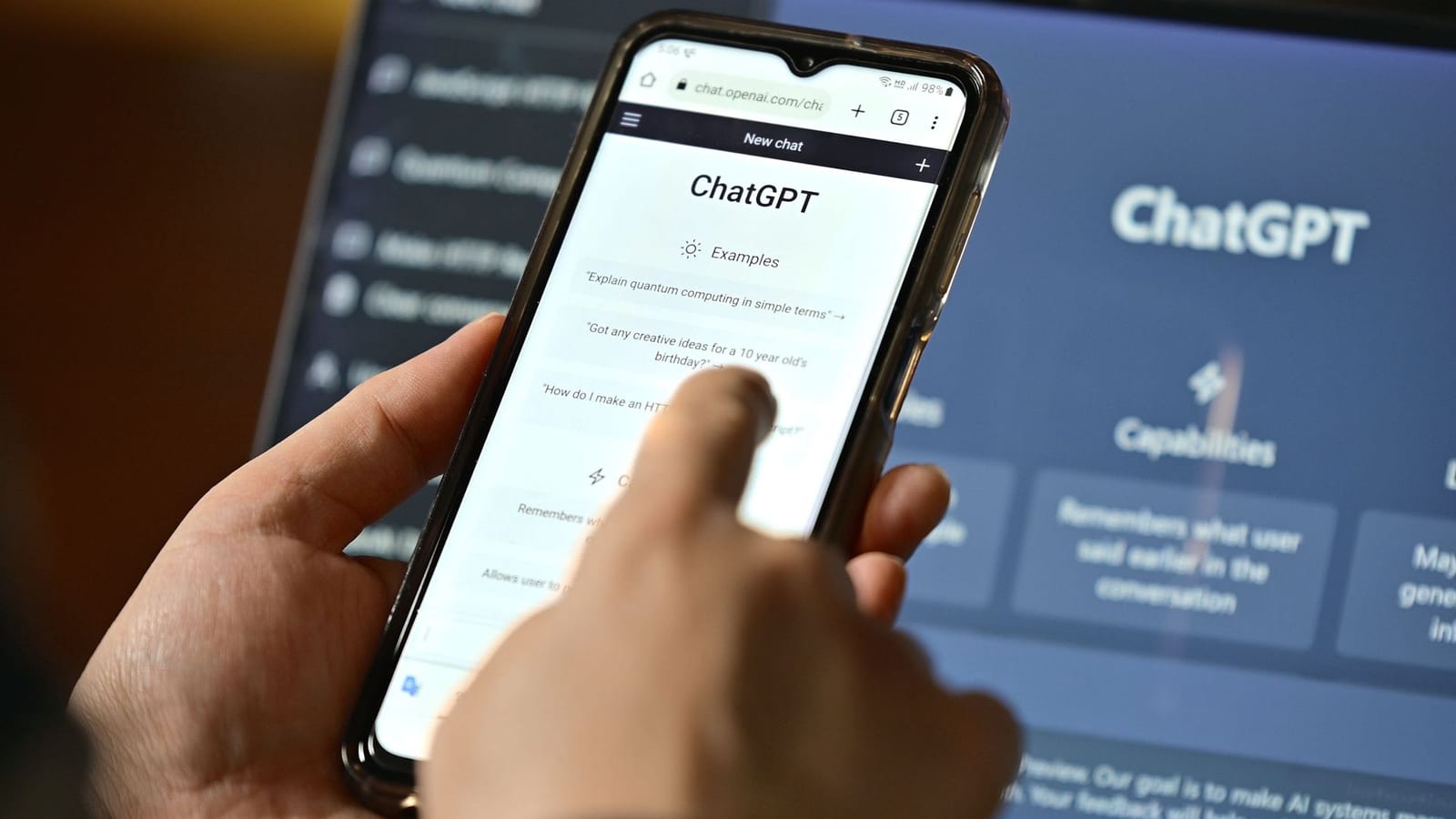
A Tom's Guide writer has put together a 15-minute lesson plan for people who have never used ChatGPT, with his own parents in mind. It skips technical terms and covers three things: how to ask for help, how to get better answers, and what personal information to keep out of the chat.
What ChatGPT can do
The lesson starts with the basics. ChatGPT works like a digital assistant you can talk to. It can help with writing, learning, summarizing, brainstorming, planning and solving everyday problems. The starting question is simple: what is something I need help with today? That question becomes your prompt, which is just the message you type to the chatbot.
Weak and strong prompts
A vague request such as "Help me get organized" will not return much that fits you. A stronger version explains the situation. The article's example reads: "I'm a busy person who feels overwhelmed by my daily tasks. Create a simple morning routine with three priorities. Keep it realistic and easy to follow." A good prompt includes four things:
- Your goal
- Context about the task
- Limits or preferences to respect
- The format of answer you want
Treat it as a conversation
The first answer will probably not be perfect. The advice is to follow up. For a dinner plan, a parent could mention favorite foods, ask for the ingredients for one dish, then ask for links to videos showing how it is made.
Check the answers
The article names three habits of experienced users: add context, ask follow-up questions and check facts yourself. AI tools can make mistakes, sound overconfident and even invent data. For research, the writer suggests asking ChatGPT to point out its assumptions, explain its reasoning and include reliable sources. The tool should support your judgment, not replace it.
What never to share
Do not give ChatGPT or any other AI tool your passwords, bank account details or sensitive information about yourself or anyone else. The writer says there have been many cases of AI tools leaking personal information, so he would rather his parents keep their most private details out of it.
The takeawayGive ChatGPT a clear goal and context, ask follow-up questions, double-check its answers, and never share passwords or bank details.