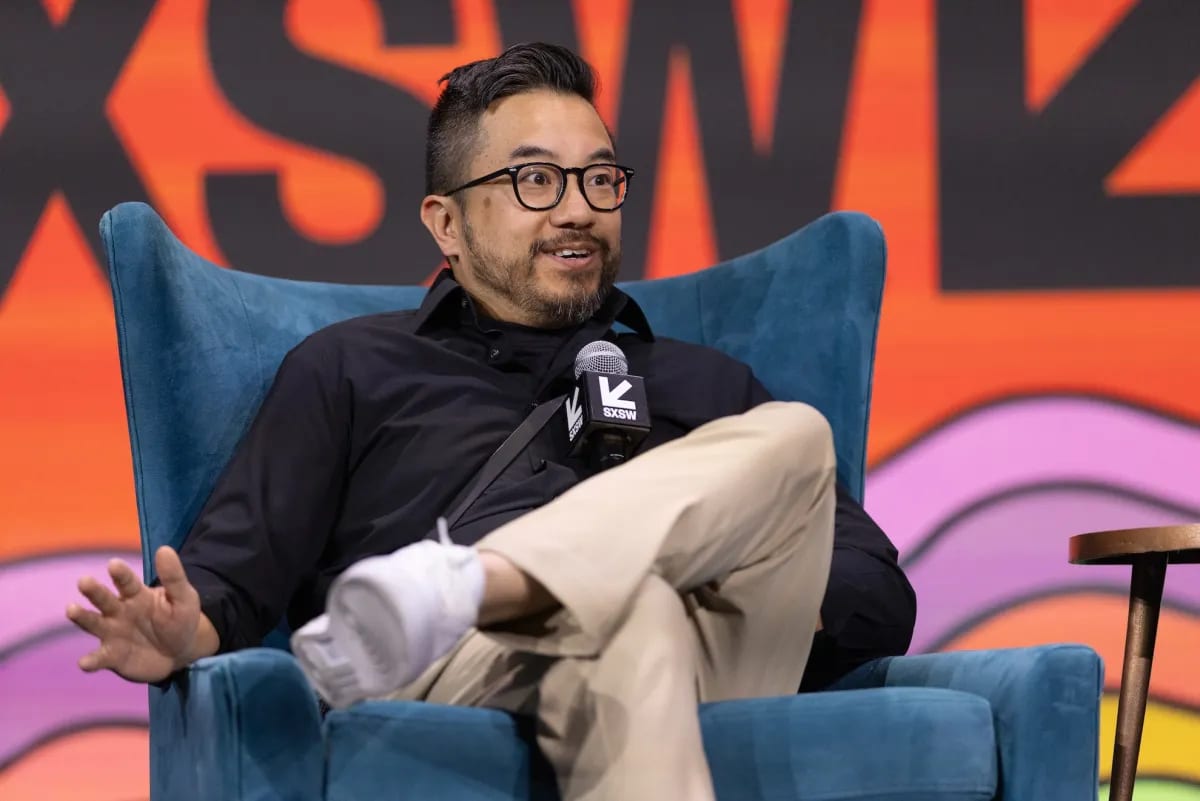
Garry Tan, the CEO of Y Combinator, says he spends roughly $100,000 to $200,000 a year on AI agents. He shared the number on Walter Isaacson's podcast, The Builders, which is set to publish Tuesday. An AI agent is a program that does tasks for you with some independence, instead of only answering questions.
What he said
"I spend about maybe $100,000 to $200,000 a year on tokens," Tan told Isaacson. Tokens are the small units AI companies use to bill for usage. Tan uses agents for many work projects and for coding. He has shared a set of 23 Claude Code skills, which he calls gstack, on Github to help teach others what agents can do.
How much access the agent has
Tan also uses his agent to help run his life. "It's read all of my email and all of my Dropbox," he said. "It's read, like, all of my Apple Notes, even my therapy notes going back 20 years." He compares it to a Jiminy Cricket on his shoulder that runs ahead and helps him see around corners.
Y Combinator uses an agent too. Tan says the internal agent, named Stray Light, has a personality and a "company brain." It has the full context on every founder the firm has backed, anyone who has emailed it, and all the applications.
The cost problem
Tan believes personal AI agents will go mainstream, but only if costs come down. "It's too expensive right now," he said. He called his own spending "a crazy privilege that not everyone can do."
He is not sold on free agents run by big tech, either. Speaking about Meta, he said a huge company controls the algorithm and "we all wish that they didn't at some level." He imagines a personal AI that you control and program yourself.
What to weigh
Tan is an extreme case, and a heavy fan of the technology. Still, his example shows the trade. The more an agent can see, the more useful it can be, and the more private information you hand over. The report does not say what safeguards, if any, protect his data.
- Cost: his spending is far beyond what most people or small firms would pay.
- Access: ask what an agent can read before you connect email, files or notes.
- Control: Tan wants agents that users own, not ones run by big companies.
The takeawayPersonal AI agents may get cheaper and common, but the price today is high, and so is the amount of private data they ask to see.