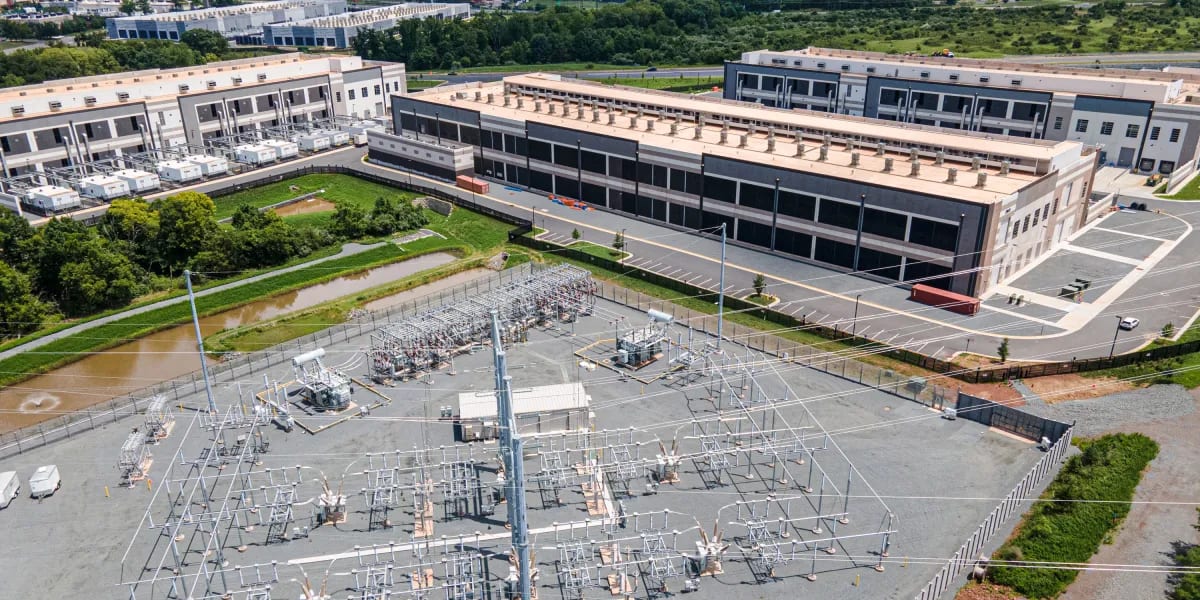
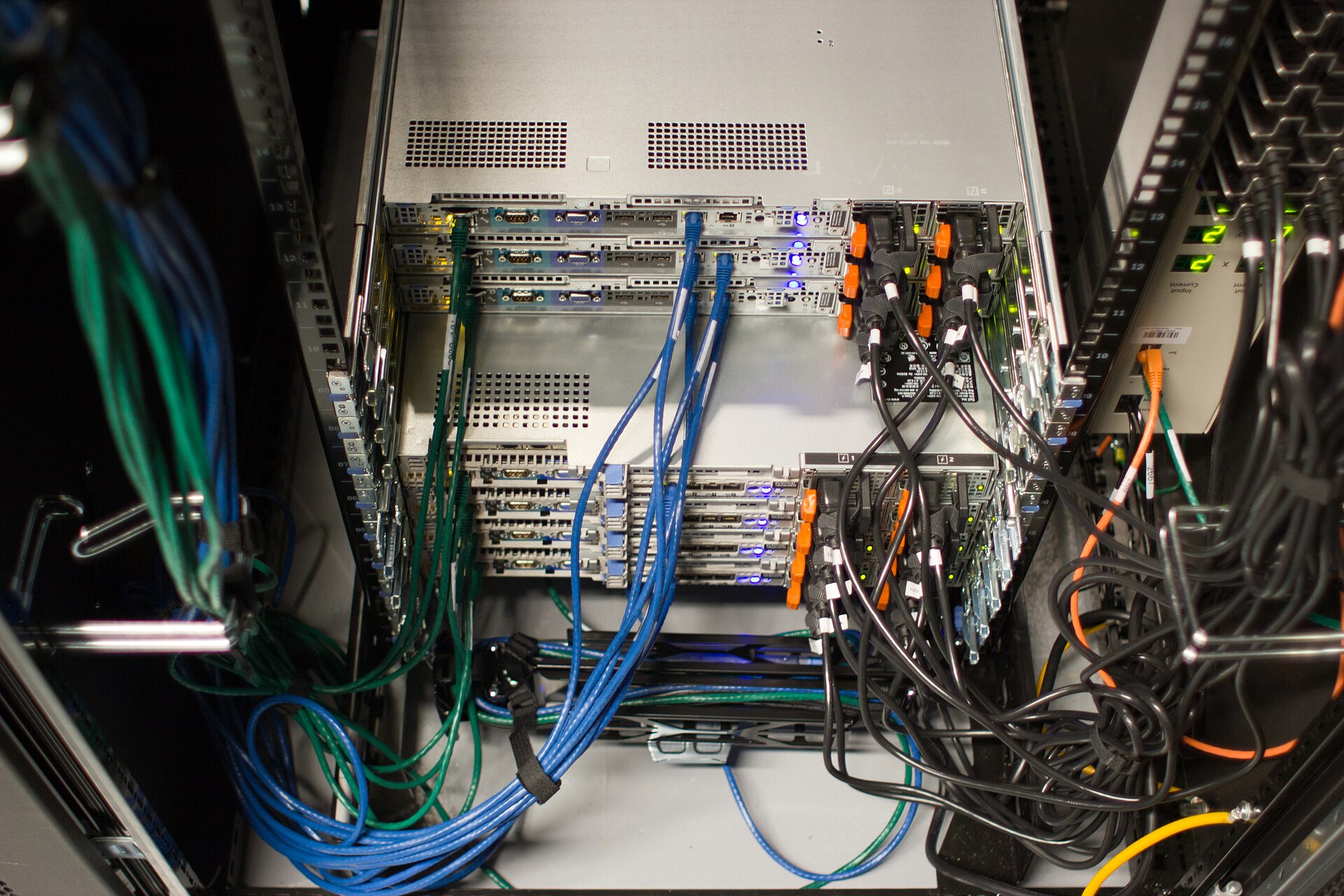
The fight over data centers may come down to something simple: electricity. A reporter for MIT Technology Review spent days in Ashburn, Virginia, part of Data Center Alley, the world's largest data center hub. The reporter came away convinced that the backlash is more about power than Big Tech admits.
What the industry says
Two days after the midterms, OpenAI's chief global affairs officer, Chris Lehane, wrote that data centers "have become a proxy for public unease about affordability, corporate power, and people losing control over their futures." Elena Schlossberg, a prominent activist against data centers in Virginia, disagrees. She says the industry's culture war framing makes her want to bang her head against the wall. "It was always about power," she says.
Two ways to get power
- Connect to the existing grid, as most data centers in Virginia's Loudoun County do.
- Generate power onsite, often called behind the meter, which is how most new AI data centers elsewhere are designed.
In Loudoun County, one Equinix facility gets its power from the utility Dominion Energy and keeps diesel generators for backup. Much of Dominion's electricity comes from natural gas, which is cleaner than coal or oil but worse than renewables. The average data center in that part of Virginia draws 54 megawatts, more than Denver International Airport.
Why the scale matters
Elsewhere, companies are building in rural areas with almost no grid to plug into. They bring their own natural gas turbines, plus diesel generators for backup. Anthropic has reportedly agreed to pay $3.4 billion for gas turbines, described as the largest power generation purchase by an AI company.
The numbers are huge. The smallest data centers attractive for AI training need 300 megawatts. The ideal ones need about 6,000, the estimated draw of Chicago, which is served by more than 20 power plants within the city alone.
What communities are seeing
Grid-connected sites strain shared infrastructure. Protests in Virginia led to a state rule that data centers must pay fully for new transmission lines, so the cost is not spread among everyone else. Developers say they are preparing for rules that would cut them off from grid power during peak demand. Schlossberg worries about more diesel generators, or Dominion leaning on fossil fuels instead of renewables.
Onsite power brings a different problem. Natural gas turbines release air pollutants, and diesel generators are worse. The Environmental Protection Agency said Elon Musk violated air quality laws when he set up dozens of turbines to power a data center in Memphis.
Not the only reason
Electricity is not the sole cause of opposition. Fears of job losses, existential risks and concentrated corporate power also play a part, as does misinformation. Most facilities use far less water than many people think. Companies can offer better deals, such as more tax revenue, local hiring and more community involvement. But as the reporter puts it, there is only so pleasant you can make a small city of computers to live around.
The takeawayIf a data center is proposed near you, check who pays for the new power lines and where its electricity will come from.