Congress is back in Washington this week, and one of its first fights is over who pays for the electricity that AI uses. The Senate is preparing a key procedural vote on a bipartisan energy bill. It would speed up approvals for energy projects and require large data centers to cover more of the costs they put on the power grid.
What the bill does
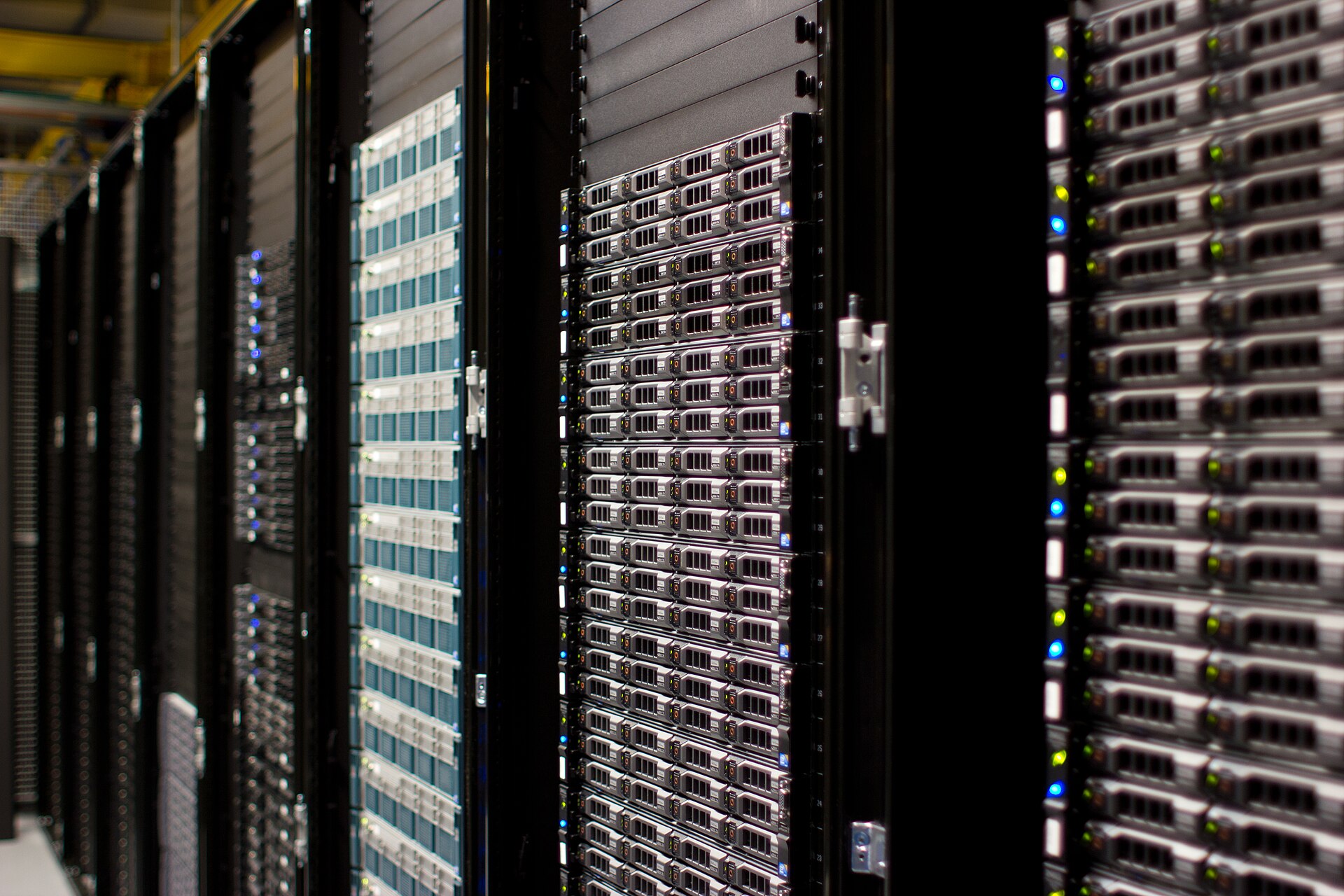
The bill has two main parts. It would make it faster to approve energy projects. It would also push big data centers to pay more for the strain they place on the grid. A data center is a warehouse-sized building full of powerful computer chips. Those chips run every AI request, from a written email to a generated image.
Why Democrats are split
Last week's midterm elections sent a message to the AI industry, according to the Mashable story. Voters in many places want data center growth stopped, limited or tied to conditions. Many newly elected Democrats campaigned on restricting data centers because of worries about electricity costs, water use and local impact.
Now some of them face a problem. Reuters reports that some Democrats think parts of the bill could encourage more data centers to be built. That would be awkward for lawmakers who promised voters the opposite.
The case for caution
The Mashable column says communities have good reason to push back. Residents should not have to subsidize a multibillion-dollar company's growth while their own bills rise. It also notes that local governments have often offered tax breaks to attract data centers and told residents they were harmless.
The column also argues for balance. Data centers rarely hire local low-skill workers directly. But companies could fund local infrastructure projects that put the existing workforce to work. Permanent, high-paying technical jobs could also bring tax revenue to nearby shops and restaurants.
The risk of a slowdown
The columnist expects AI companies to answer tough rules by slowing new releases, partly out of necessity and partly as a pressure tactic. As an example, the column points to Europe. In 2024, Apple said it would hold back Apple Intelligence and other new features from EU customers, citing regulatory uncertainty tied to the Digital Markets Act. Whether that was a real concern or leverage is debated.
What happens next
The procedural vote is the next step. The material does not name the bill, give a vote date or spell out how much more data centers would pay. It also does not say whether the bill would actually lead to more data centers. Those details will decide whether households or tech companies carry more of the power bill.
The takeawayA Senate bill could make big data centers pay more for grid costs, but the details and the vote outcome are still unknown.