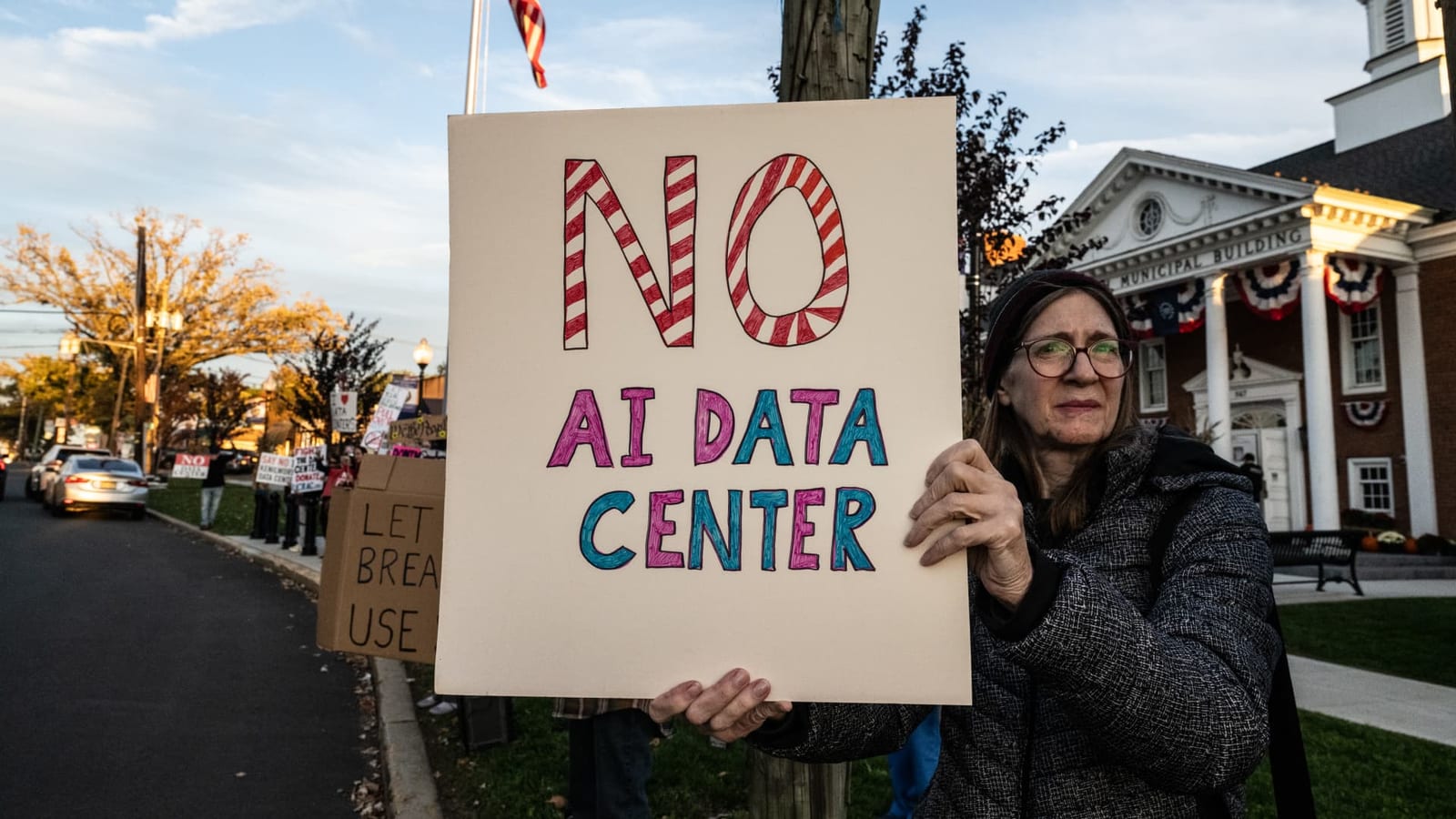
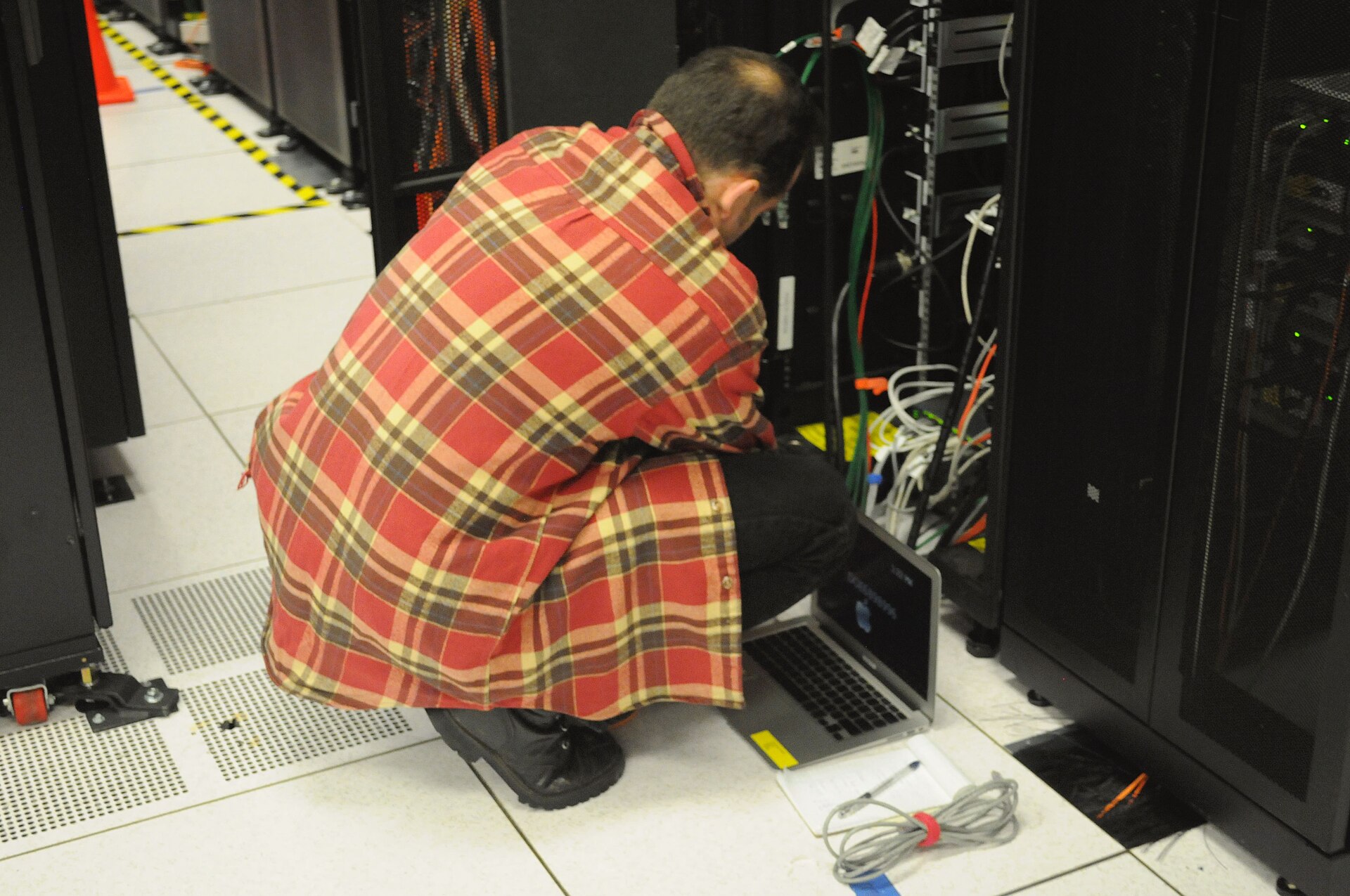
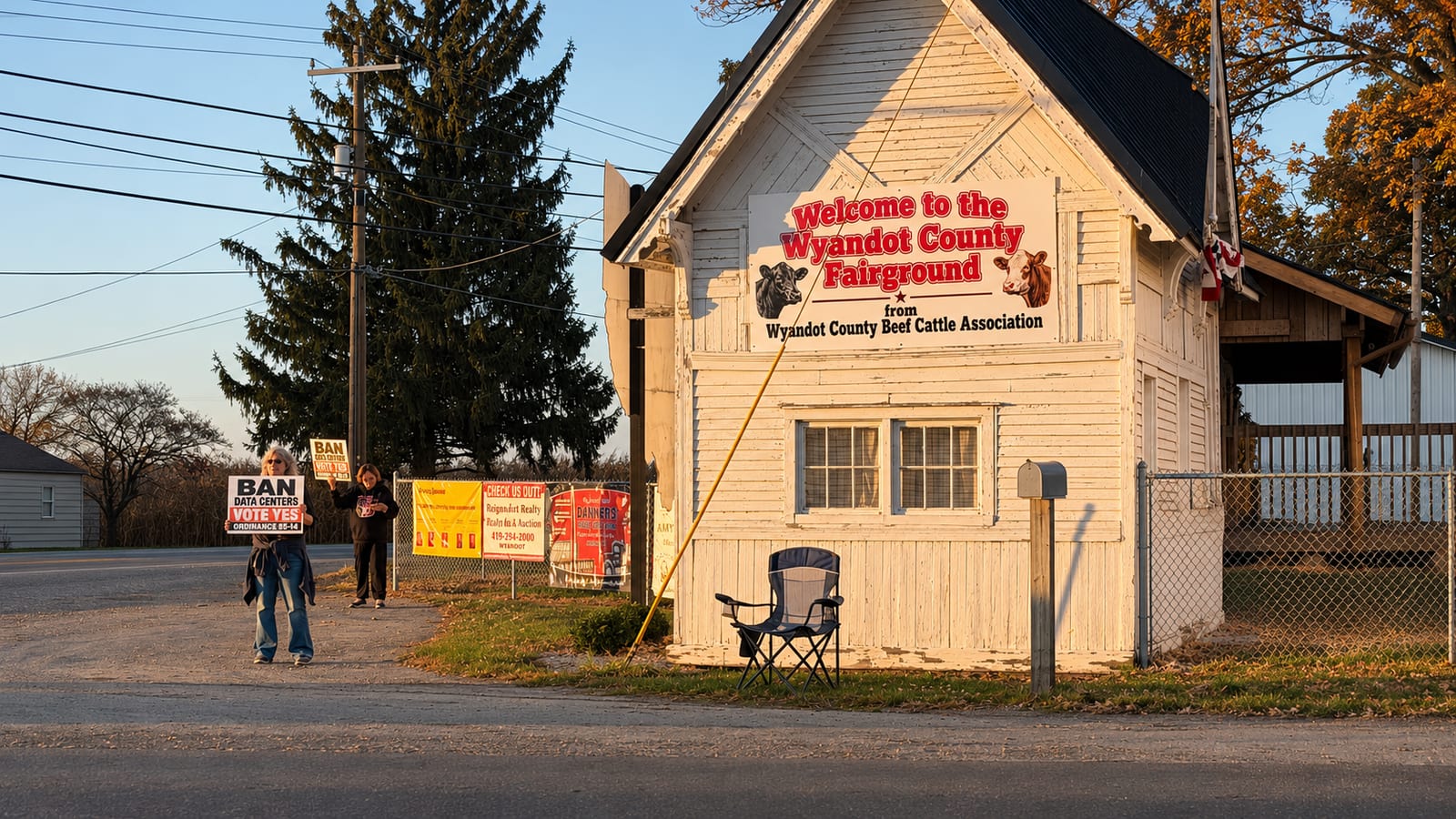
Voters pushed back on data centers on Election Night. Of 41 local ballot measures in 10 states that would restrict how data centers get built, voters sided against the buildings in every one but one, according to Ballotpedia and CNBC. Data centers are the huge warehouses of computers that power AI tools.
What the votes showed
The one exception was Harwood, North Dakota. Voters there rejected a city charter change that would have required extra review before approving industrial projects, including data centers. Ohio had the most measures, with 21. Other measures were on ballots in California, Florida, Illinois, Kansas, Maine, New Jersey, Nevada and Wisconsin.
Politics followed the issue
In a CNBC Voter Poll, 56% of voters said data centers were a crucial or major factor in their choice. Democrats ranked the issue higher than Republicans did. Democrats who ran on pausing or regulating new projects won key races in Ohio, Wisconsin, Georgia and Texas.
- Ohio: Sherrod Brown ousted Sen. Jon Husted after calling him the face of data centers.
- Ohio: Amy Acton beat Vivek Ramaswamy for governor. She backs a conditional pause on new projects.
- Texas: Gina Hinojosa unseated Gov. Greg Abbott, blaming him for the rapid buildout.
Acton wants data centers to cover 100% of their utility costs and to build only with union labor.
Why Ohio and Texas matter
Both states sit at the center of the boom. OpenAI announced in August that it had secured 8 gigawatts of computing capacity at a campus in Ohio, described as the largest planned AI data center campus in the world. Construction on the first phase is slated to begin this year. Capacity is expected to come online in phases starting in 2028. The total cost could top $500 billion. Texas is on track to become the world's largest data center market by 2030.
Money and Wall Street
The vote landed as the AI trade was already shaky. Chipmakers and other data center companies sold off in October on worries about rising interest rates and overspending. Alphabet, Amazon, Microsoft and Meta each spend hundreds of billions of dollars a year on AI buildings. All but Microsoft have turned cash flow negative, meaning more cash is going out than coming in.
Tech money also failed to sway the night much. Crypto, AI and online gambling interests put in more than $377 million. Elon Musk, who spent hundreds of millions, largely came up empty. He wrote on X that data centers in space were looking pretty appealing.
What happens next
Democrats were projected to win the House. Rep. Greg Casar said AI company CEOs should be called to testify under oath. It is not yet clear how the results will change specific projects, including the Ohio campus, or what new rules may follow. CNBC said getting projects off the ground may have just gotten a lot harder.
The takeawayLocal voters just showed they can slow AI data centers, so expect more fights over where the buildings go and who pays for them.