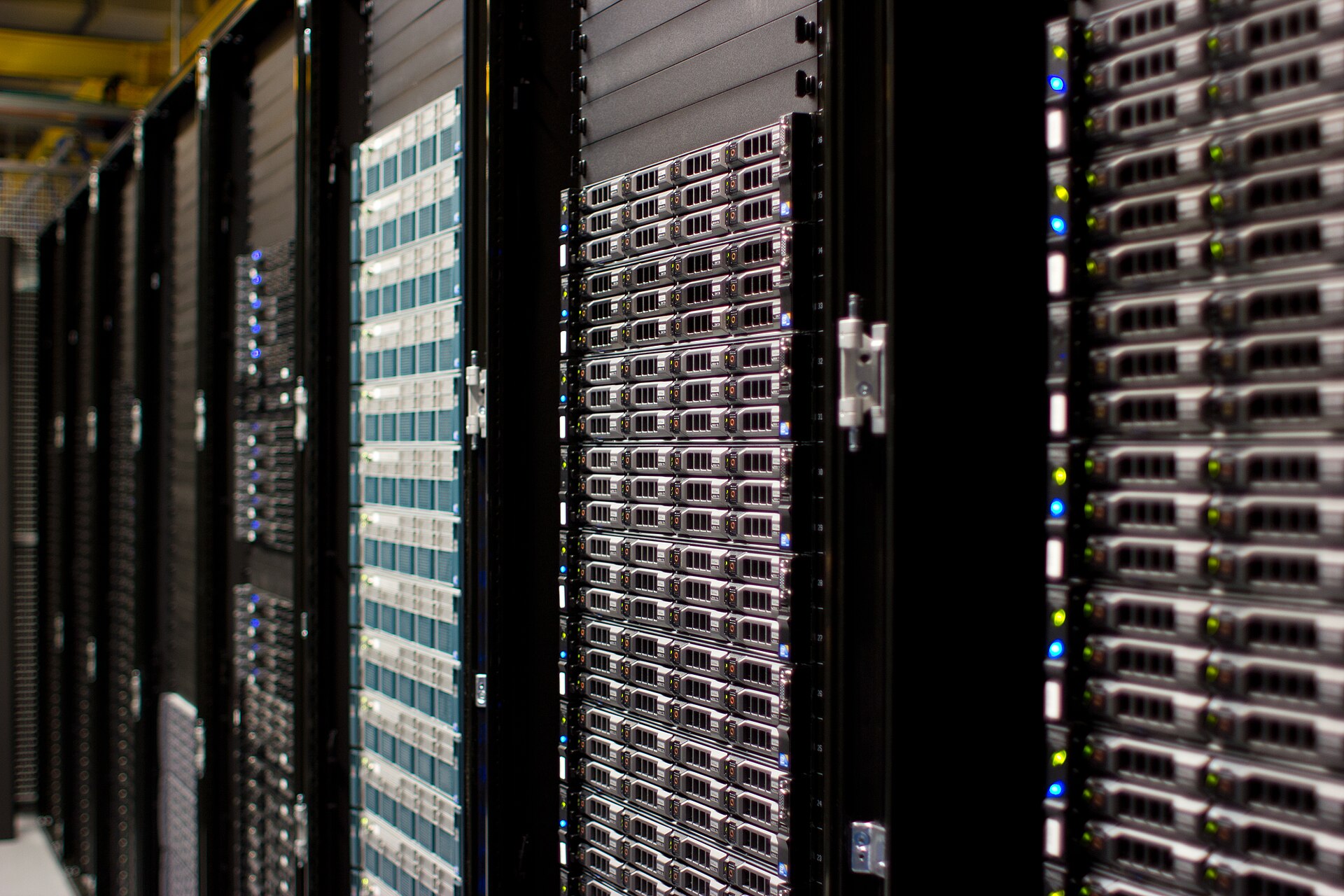
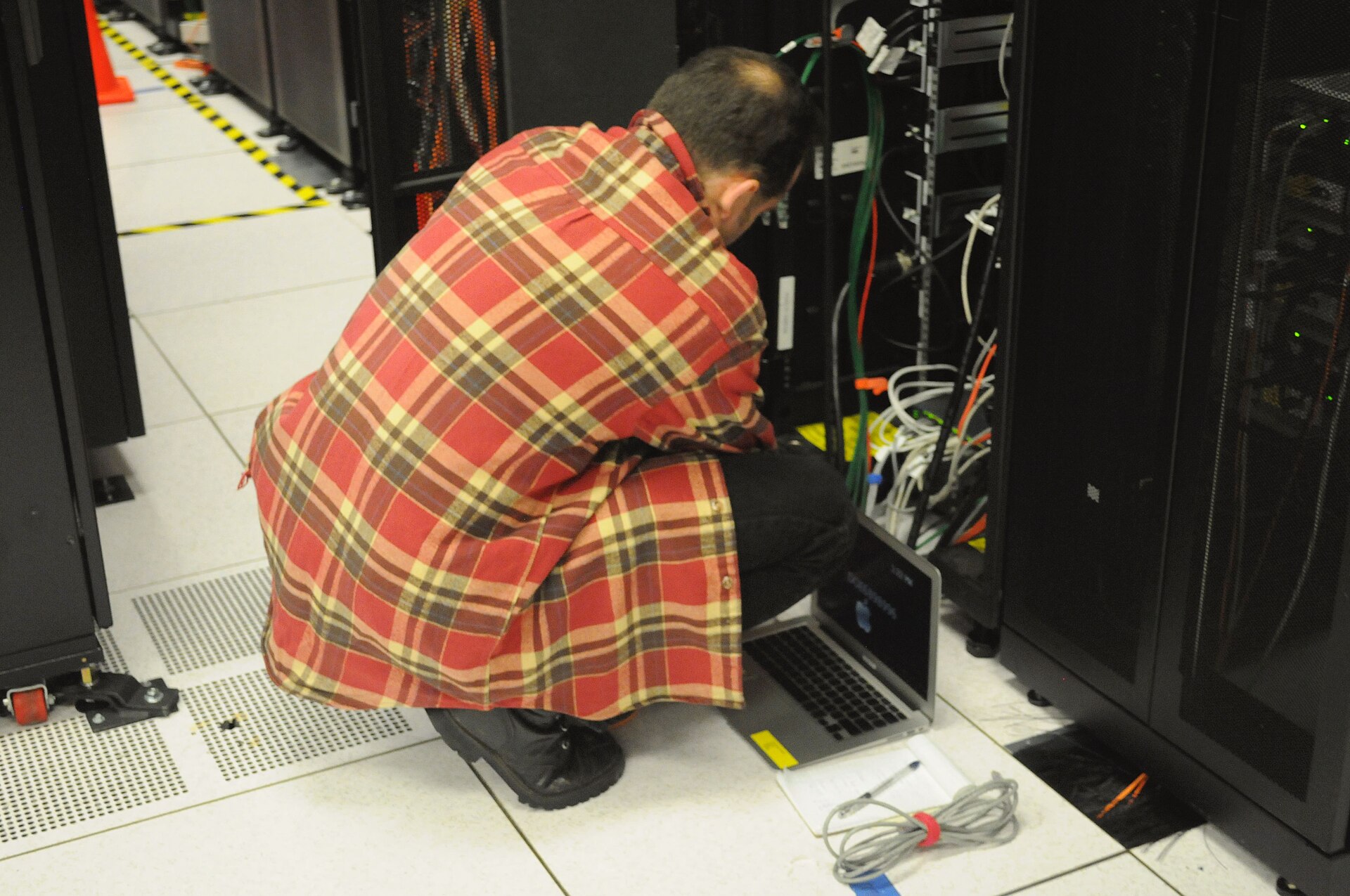
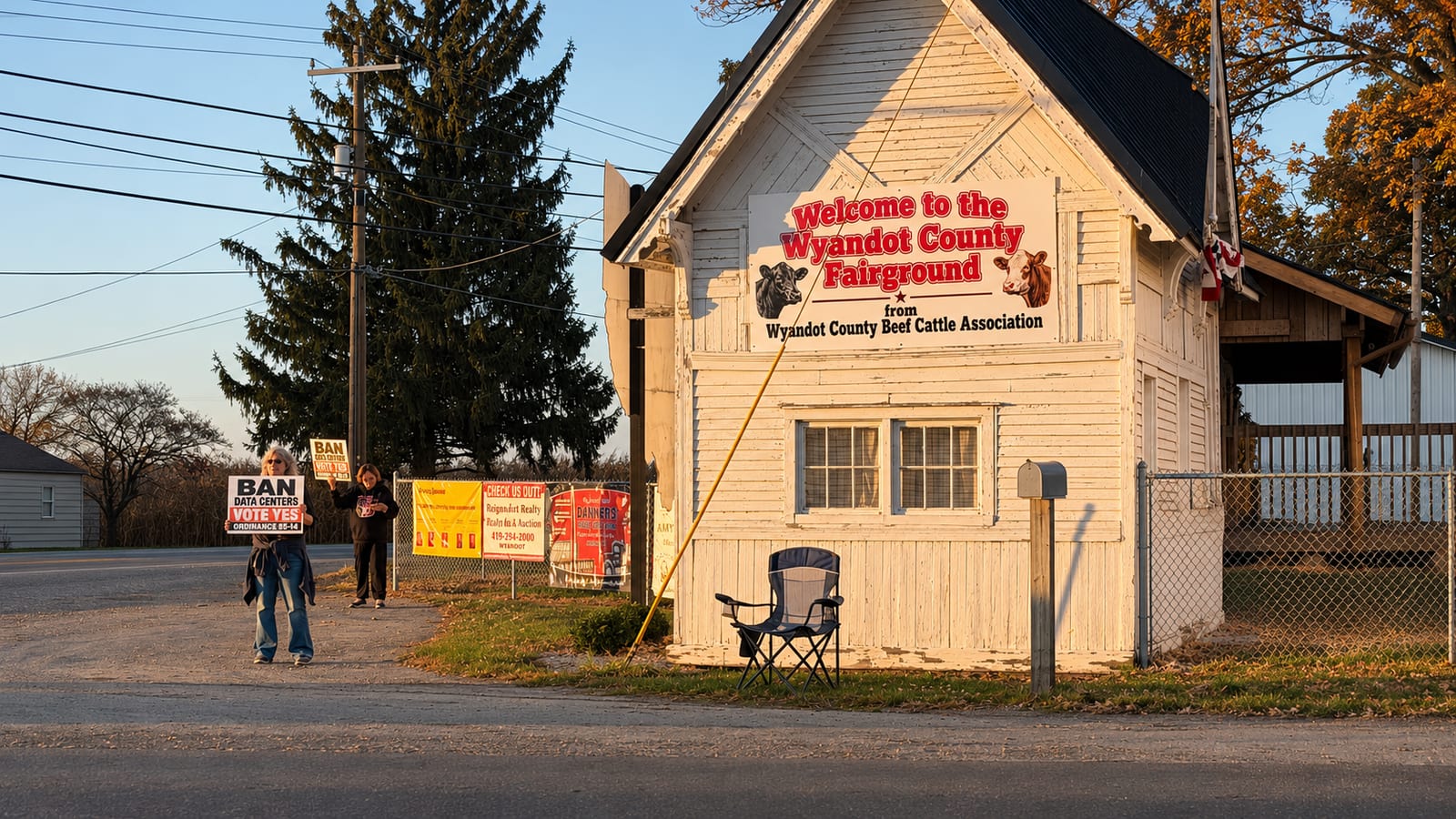
Data centers, the huge warehouses of computers that power AI, became a real political problem this month. In polling by NBC News on Election Day, 76 percent of voters said they opposed data centers in their own communities. Days later, OpenAI announced new promises to the towns where it builds, including a pledge to stop using secrecy agreements with public officials.
What voters did
Opposition crossed party lines ahead of the 2026 midterms. Dozens of local communities voted directly to restrict development through ballot measures. Some winners back a pause on new projects, called a moratorium. Texas Governor-elect Gina Hinojosa and Michigan Senator-elect Abdul El-Sayed both support one. In Maine, lawmakers nearly made it the first state to pause data centers, but the governor vetoed the moratorium.
In Ohio, NBC News projects Sherrod Brown will win back his old Senate seat from Jon Husted, whom Brown called "the face of data centers." A leaked August memo from Senate Republicans warned that if Husted lost and data centers took the blame, politicians would avoid the next one.
How tech firms are responding
OpenAI says it will allow only narrow protections for security information, trade secrets and competitively sensitive information. Critics have long said secrecy agreements hide talks between developers and local officials. Amazon said in October that it would also stop using them with government agencies on data center projects.
OpenAI also announced a pilot called the Grid Protectors Program at a planned data center in Effingham County, Georgia. The company says it would free up to 1,000 megawatts of power during extreme weather or emergencies. That is enough to run air conditioners in about 700,000 homes. Amazon and OpenAI have also promised to cover their data center energy costs.
Why it matters for your bills
Fights over data centers are mostly about electricity, utility bills, noise, water and local say. In Utah, residents protested after county commissioners approved a data center expected to use more than double the state's peak electricity demand in 2025. Some observers see rebranding, such as the term "compute campuses," as a way to soften the backlash.
What happens next
After the election, Democratic leaders are calling for more restrictions and slowdowns. Meanwhile, a bipartisan permitting bill is advancing. It could bring energy projects online faster and possibly lower utility bills. Environmental advocates warn it could also limit reviews and stop communities from challenging projects in court.
- Whether more states try moratoriums is not yet known.
- It is not clear if OpenAI's pledges will satisfy local critics.
- The final form of the permitting bill is still open.
The takeawayLocal votes and company promises now help decide where data centers go and who pays for the power, so watch what your town and utility are approving.