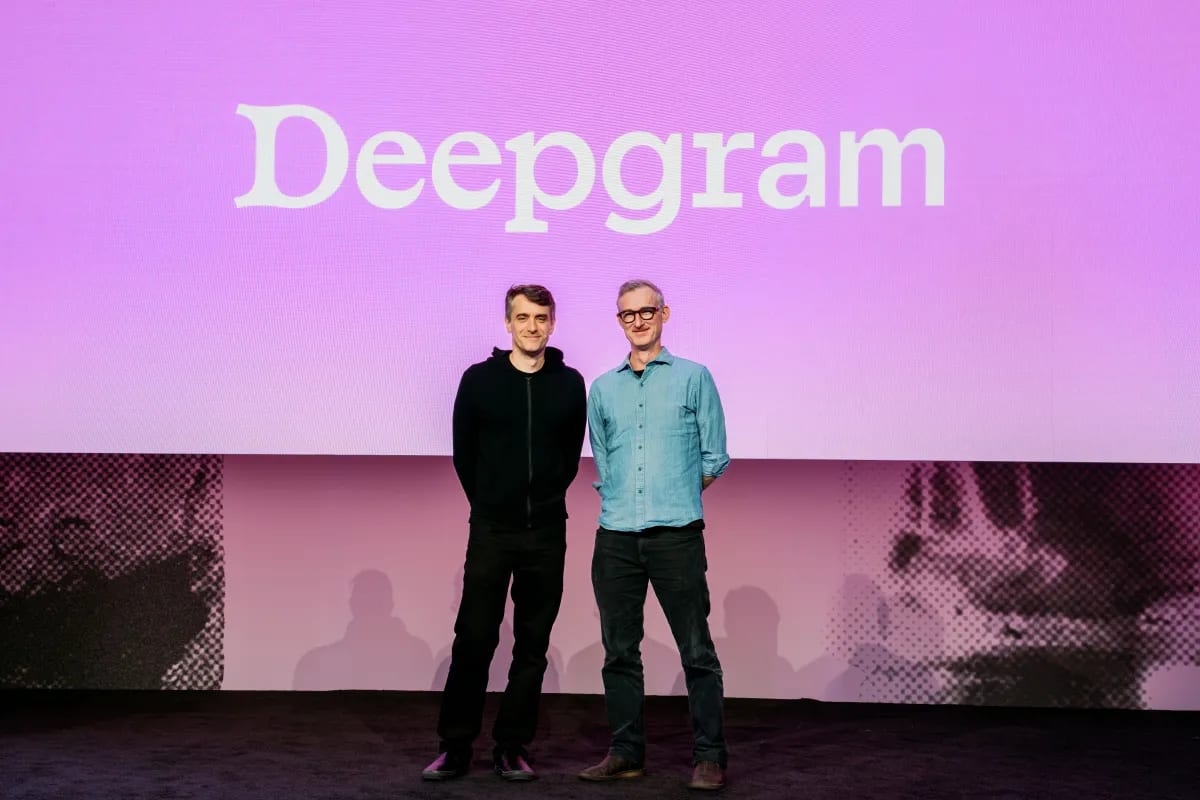
Deepgram, a company that makes voice AI, said on Thursday that it is buying Daily. Daily makes and maintains Pipecat, a popular free tool for building AI that talks. Neither company said what the deal cost. Both said Pipecat will stay open source, which means anyone can use and inspect the code for free.
What Pipecat does
A voice assistant is several pieces working together. One turns speech into text. One AI model decides what to say. Another turns the reply back into speech. Pipecat connects those pieces and handles the voice and video streams, while keeping delays short so the conversation feels natural. Daily also sells hosted infrastructure for voice and video calls.
What each side says
Daily co-founder Kwindla Kramer said the company drew a lot of acquisition interest. He chose Deepgram because its CEO, Scott Stephenson, committed to keeping Pipecat open source and vendor-neutral forever. He also said the engineering cultures matched.
Stephenson said he wants everybody to be able to build voice agents. He said Deepgram's own models are welcome, but he wants people to use the best models for their needs, even if those come from partners.
A new shared standard
Deepgram is also launching the Real-Time Context Standard, or RCS. It is an open protocol, a shared set of rules, built with the Pipecat team. It covers details like context from the audio, such as a whisper. It also tells an AI model how to use those signals and how its reply should sound.
The money and the market
- Daily has raised over $62 million, according to PitchBook data.
- Deepgram became a unicorn this year with a $130 million Series C round.
- Both companies were in the same Y Combinator batch in 2016.
Voice AI is attracting heavy investment. Model makers such as ElevenLabs, Gradium and Fish Audio have raised millions. Infrastructure companies like LiveKit and Vapi have raised multi-million-dollar rounds this year.
What it means for business owners
Anyone planning an AI phone line or voice assistant should see more tools and more choices. The core software stays free, and the standard is open. What is not known yet is the price of the deal and any product changes it will bring. Promises of staying open source are worth watching over time.
The takeawayPipecat, a free tool for building voice AI, stays open source after Deepgram's purchase of Daily, so business options should grow, not shrink.