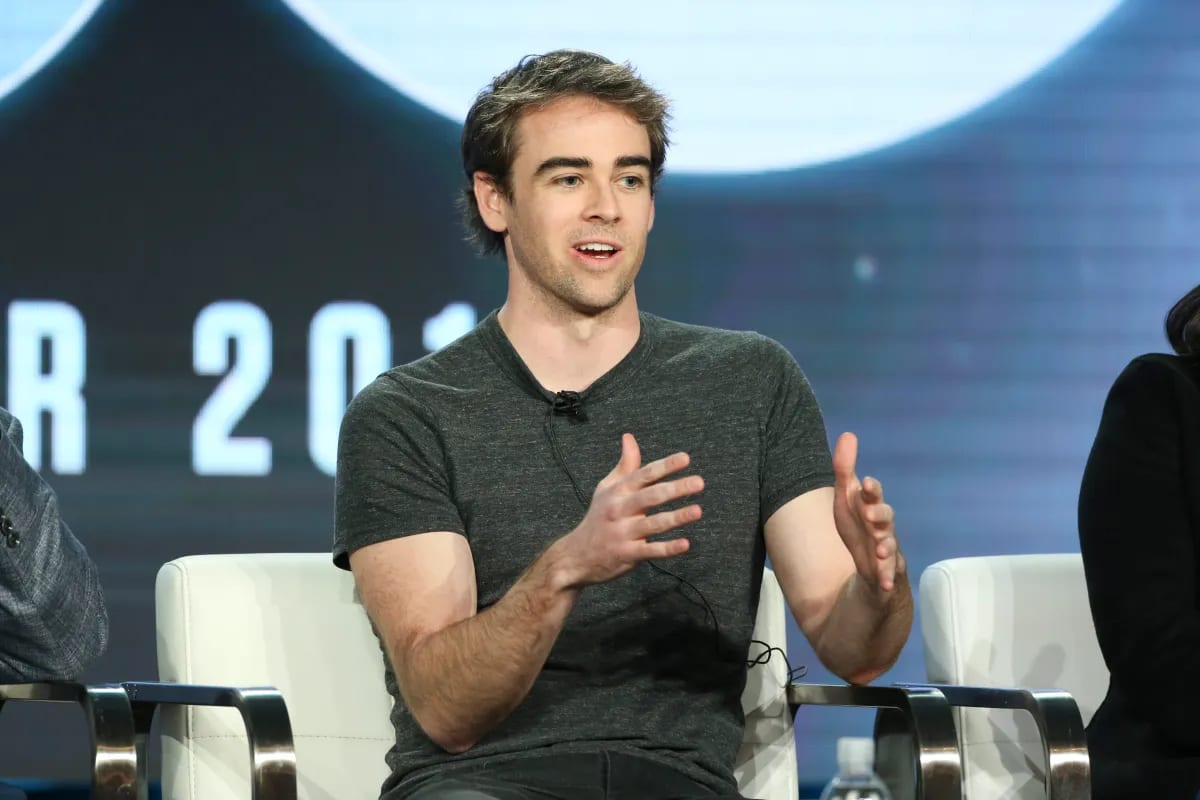
Tyler Shultz, the whistleblower who helped expose Theranos, says the AI boom is a good moment for anyone who wants to deceive people. In an interview with The San Francisco Standard, he said it is very hard to check whether an AI company is real. His warning comes as a new documentary about Elizabeth Holmes puts the old scandal back in the news.
What Shultz said
Shultz's first job out of college was at Theranos. He exposed its blood testing devices, which were inaccurate and still reached Walgreens stores, where they gave faulty results to real patients. He says the days of a thirty-minute coffee leading to a $100,000 check should be over. In his words, Holmes took that model and scaled it to $100 million.
Why AI makes checking harder
Theranos reached a peak value of around $10 billion even though its technology never worked. It used its own machines for only a fraction of tests and sent the rest to outside equipment. It also refused to share scientific evidence with investors, citing trade secrets. Many top venture capitalists stayed away. Individual investors, such as the DeVos and Walton families, often supplied the money.
Shultz worries the lesson is fading. He says it is hard to tell something truly new from a ChatGPT wrapper, meaning a thin product built on someone else's AI. The article notes that companies that have never turned a profit are now raising money at trillion-dollar valuations.
Holmes is not done
The documentary, called You Can See Everything, follows Holmes in her last weeks before prison. It was directed by Nathan Fielder and Lance Oppenheim and is one of the highest-grossing documentaries of all time. Holmes was sentenced to over eleven years. In the film, she and her partner, Billy Evans, work on Haemanthus, a diagnostics company they call Theranos 2.0. It has reportedly raised about $20 million.
Shultz says he feels uneasy about what comes next. He believes Holmes is preparing a second act, and he does not know where it will lead.
What to do
Few readers will write a $100 million check. The same habit applies to smaller choices, such as paying for an AI tool for your business or putting money into an AI company. Shultz's point is that money gives people power, so ask for proof first.
- Ask to see the product work on your own data or tasks.
- Ask what the tool does itself and what it borrows from someone else.
- Be wary of any answer that dodges proof by citing secrets.
The takeawayBefore paying an AI company or tool, ask for proof that it works, and treat a refusal to show it as a warning sign.