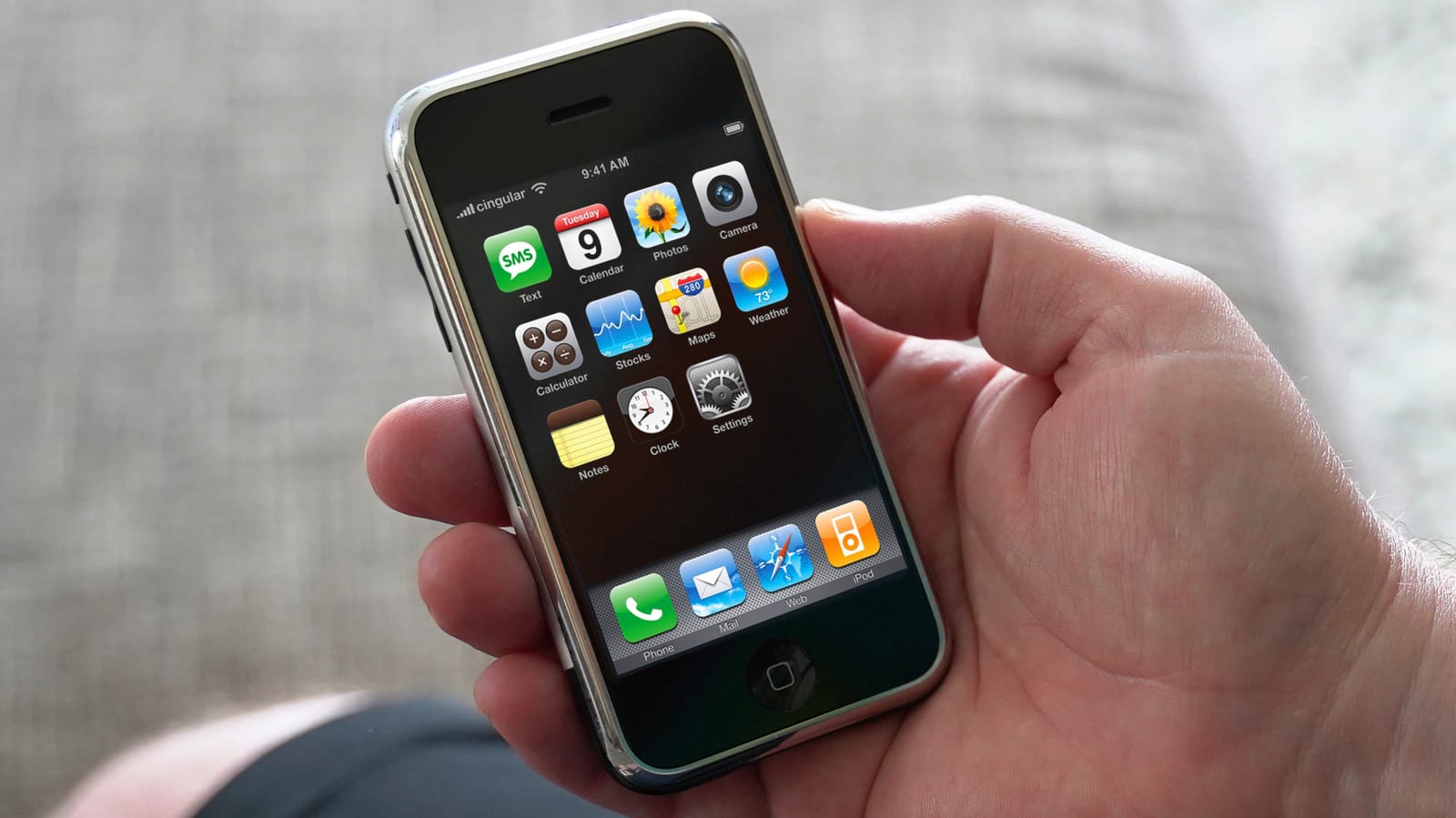
The first iPhone launched in 2007 at $499, which sounds like a bargain next to today's prices. But once inflation is counted, that phone is worth over $800 in today's money. The current iPhone 17 costs $899. The real gap is far smaller than the $400 difference on the price tags.
The inflation math
The original iPhone started at $499 for a model with 4GB of storage. Engadget uses the iPhone 17 as the closest match for 2026, because the standard iPhone 18 has not been released yet. Inflation means a dollar buys less over time, so older prices need adjusting to compare fairly.
The 2010 iPhone 4 tells a similar story. It cost $599 unlocked, which equals about $920 today. That is slightly more than the $899 iPhone 17.
Contracts hid the real price
Many people remember cheaper iPhones. The iPhone 3G and 3GS sold for only $199. The catch was a two-year carrier contract. Carriers expected to profit from owners over the long term, so they absorbed part of the phone's cost to win customers.
The 2007 iPhone also required a two-year AT&T contract. Plans cost at least $60 a month, before inflation, for unlimited 2G data. Today you might pay a similar amount or less for unlimited 5G. Most iPhones now are bought unlocked, unless you look for a carrier deal.
What you get now
The first iPhone left out a lot. Here is what it did not have:
- A front camera for selfies and video calls
- NFC, the chip behind Apple Pay
- AirDrop, Find My and GPS
- Apps from other developers, which arrived in 2008
Modern iPhones can get location data from satellites. They can also send emergency messages with no cellular or Wi-Fi signal. For some owners, a phone replaces a camera, flashlight, radio, navigation system and gaming handheld.
Where prices do hurt
Not every price looks fair. The iPhone Duo starts at $1,999 and reaches $3,199 with maximum storage. The iPhone Air costs $1,100. Engadget notes that $899 is still too much for many people. Apple had held base iPhones at $799 until memory prices forced its hand.
The takeawayWhen comparing phone prices, count inflation and the monthly plan, not just the sticker price.