Holiday shopping is forecast to pass $1 trillion for the first time, according to the National Retail Federation. Stores and shippers are hiring for it, but they are being choosier. Instead of adding lots of general sales floor staff, many are using flexible schedules and training workers to handle more than one job.
The big numbers
UPS says it is hiring 100,000 workers over the next few months to handle peak shipping. Amazon plans to hire 300,000 seasonal, part-time and full-time workers in the U.S., up 20% from the same period last year. Spirit Halloween is hiring more than 52,000 seasonal associates across 1,500 U.S. and Canadian stores, its largest hiring effort to date. Michaels began hiring for more than 10,000 roles in September.
Where the jobs are
Savannah Wei Shi, a marketing professor at Santa Clara University, says the key point is not the total headcount. It is how selectively retailers place workers. Indeed Hiring Lab data shows seasonal warehouse roles are 9% of seasonal retail postings, up from 3.5% in 2019. That points to growing demand behind the scenes, in fulfillment and logistics.
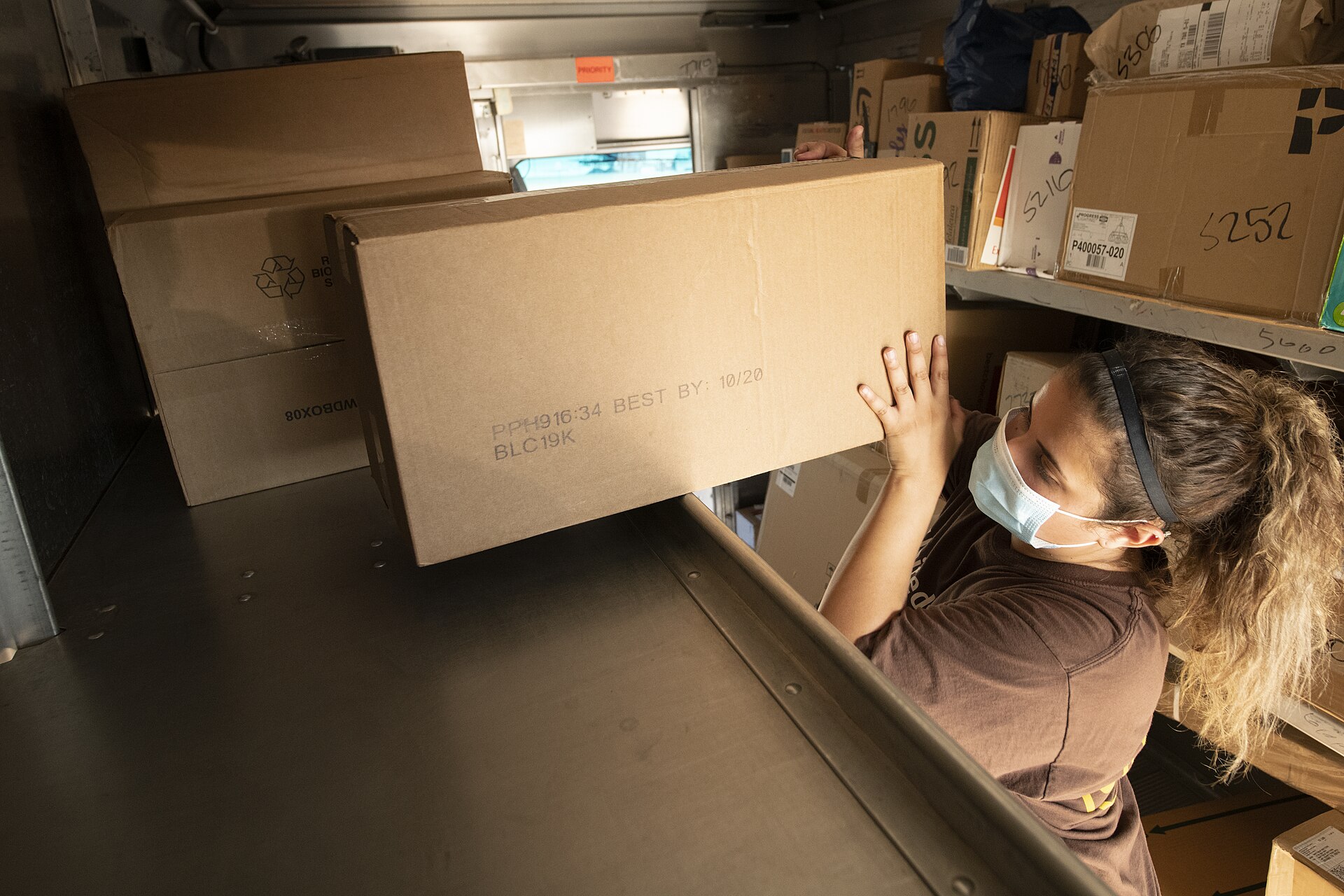
Physical stores are leaning on current staff, flexible scheduling and cross-training. Workers may be trained to handle tasks like pickup and returns, where lines and frustration tend to build.
Why flexibility wins
Shi says shoppers are not necessarily spending less overall. But inflation fatigue has made them time purchases, waiting for big promotions and spreading spending across the season. Spikes are hard to predict. A flexible workforce lets retailers protect their profit margins while still being ready for sudden deal-driven rushes.
What job seekers and owners can do
- Job seekers: ask about cross-training, since stores want people who can do several tasks.
- Michaels says nearly 50% of its seasonal hires last year became permanent.
- Employers: make applying quick and clear, with pay and requirements listed upfront.
- Spirit Halloween lets people apply online or by texting REAPER to 85000.
Trent Cotton of iCIMS says candidates ages 18 to 24 made up 40% of retail applicants in September, up from 37% a year ago. He warns that a slow or complicated process can cost employers that large group of applicants.
The takeawaySeasonal hiring is shifting toward flexible, cross-trained roles, and a holiday job can lead to a permanent one.