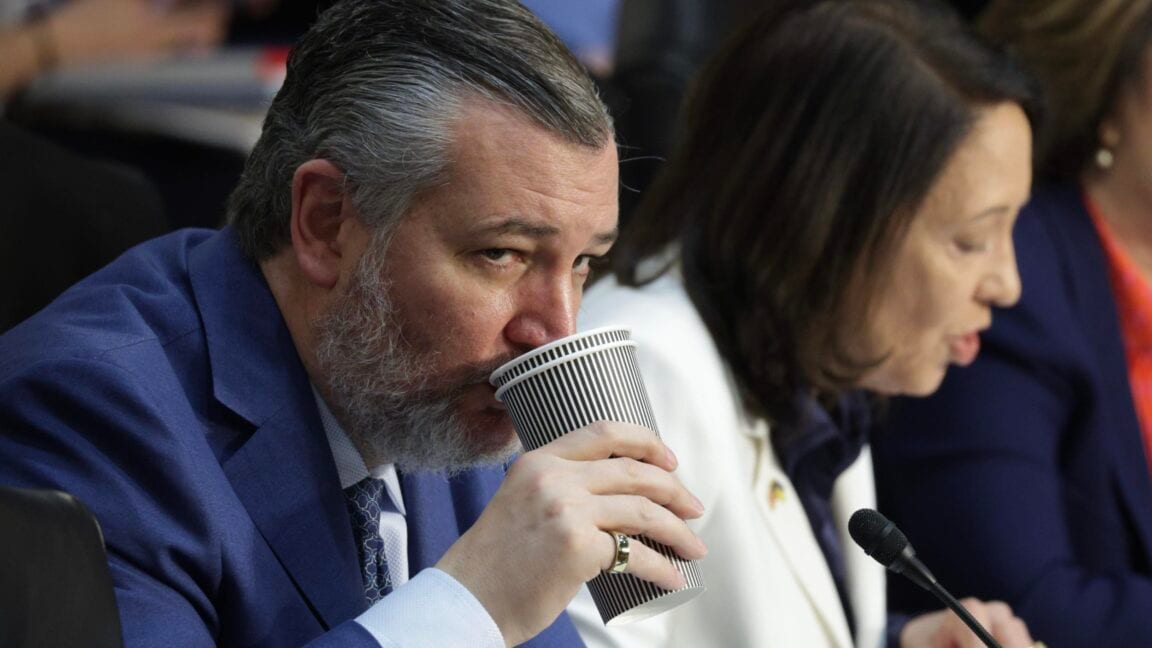
Senate Republicans are moving to add another Republican to the Federal Communications Commission before Democrats take control of the Senate. Sen. Ted Cruz announced a November 10 hearing for nominee Danielle Thumann Severs. The FCC oversees phone, internet and broadcast rules, so who sits on it shapes the services people use every day.
What changed
Cruz has two months left as chairman of the Senate Commerce Committee. He seems set on moving Thumann Severs to a full Senate vote in that time. Her confirmation would give Republicans a 3-1 edge on the five-seat commission.
Thumann Severs is an attorney and senior counsel to FCC Chairman Brendan Carr. President Trump nominated her in August. A hearing planned for September was postponed to accommodate her maternity leave.
Why the party split matters
Federal law caps how many commissioners can come from one party. With five seats, that cap is three. A 3-1 split is allowed. An all-Republican panel is not, according to Sen. Ron Wyden, an Oregon Democrat.
The law also sets a quorum, the minimum needed to act, at three members. Wyden wrote that there is speculation Trump will fire Democrat Anna Gomez after Thumann Severs is confirmed and run the agency with three Republicans. He warned that actions by such a panel could be overturned in court and would cast a cloud of legal uncertainty over the communications industry.
The missing Democrats
By tradition, the president pairs nominees from both parties, based on recommendations from the other party's Senate leaders. Trump has not followed that in his second term. He has not nominated a Democrat for the other empty seat and has not renominated Gomez.
Gomez's term expired June 30. She can stay until the end of 2027 or until the Senate confirms a replacement, whichever comes first. Thumann Severs would fill a different seat, with a term ending in 2029.
Gomez cannot block what Carr's majority wants to do. She has opposed his attacks on news organizations and his attempts to police speech on broadcast TV. She has also occasionally won changes to rules she said would harm telecom customers.
What happens next
The hearing is set for November 10. Twenty-one Democrats on the House Commerce Committee have asked Cruz and Senate Majority Leader John Thune to pair any new Republican with a Democrat, including a new full term for Gomez. Gomez has also urged Congress to fill the empty seats in a bipartisan way.
It is not yet known when a full Senate vote would happen. Ars Technica asked Cruz's office and had not received a reply. A similar move came in December 2020, when Nathan Simington was confirmed after Biden's win. That left the FCC deadlocked 2-2 until Gomez was confirmed in September 2023.
The takeawayA quick Republican confirmation could shape the FCC for years, and fights over its makeup may leave phone and internet rules open to court challenges.