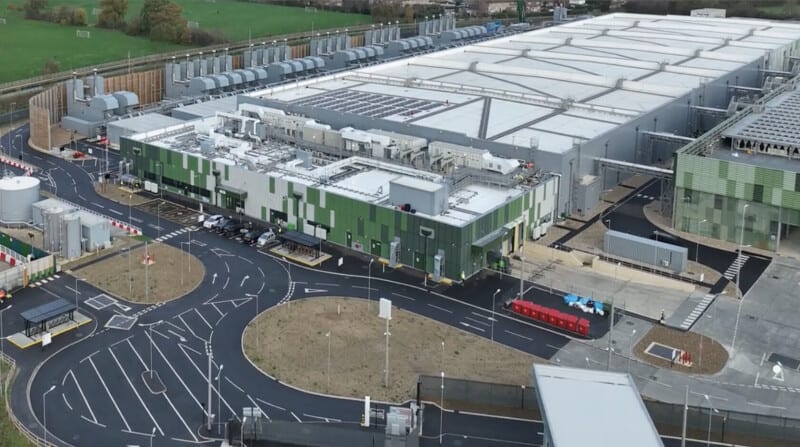
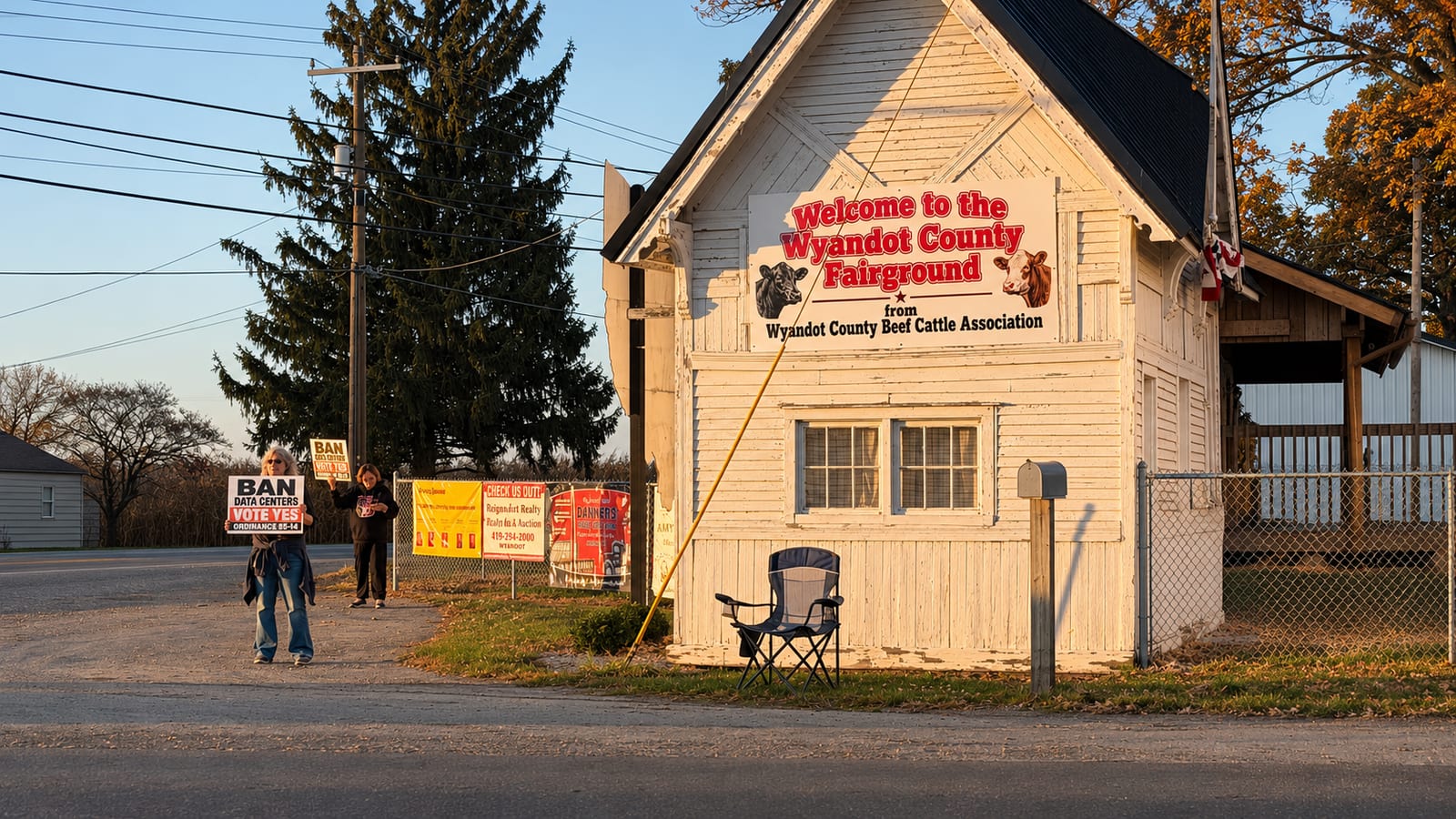
Campaigners across Europe are holding two days of protests against the building boom in data centers. These are large buildings packed with computers that run apps and AI tools. More than 100 groups in 15 countries plan events on November 6 and 7. They want a pause on new large projects.
What is happening
The actions go beyond marches. Organizers list demonstrations, public meetings, stalls, petitions, walking tours, cycle rides and poetry readings. A coalition site, stopdirtydatacentres.eu, has a map so anyone can find events nearby. Events are planned in Ireland, Poland, Denmark, Finland, Spain, the Netherlands, France and the UK.
Sites in the UK
In London, a photocall is set for 8am on November 6 outside the Department for Energy Security and Net Zero. On November 7, a Community Day of Action will be held at Brick Lane, where a facility is planned on the former Truman Brewery site.
The same day, a family event is planned at a church in Great Torrington, Devon. It highlights a proposed 1.5 gigawatt data campus, with on-site battery storage, on 850 acres of farmland near the town.
What the campaigners want
The groups are calling for an immediate moratorium on new large-scale projects across Europe. They say it should last until clear rules decide whether new sites should be built and under what conditions, with public input. Their worries cover land, water, energy use, housing, jobs and the cost of living.
They also point to a recent report saying businesses and trade groups dominated meetings with UK ministers about data centers, while environmental groups were left out. Another cited concern is a report that a Google subsidiary illegally cut down 250,000 trees in Finland to make room for a server hall.
Pushback and politics
The UK government is unlikely to agree. It is counting on AI for economic growth and wants more data centers built. It has already overturned local council decisions that rejected planning permission for such projects.
The protests follow the US midterm elections, where limits on AI server farms featured in campaigns from candidates in both major parties. Omdia analyst Alan Howard said the industry took a big hit there. He argued data centers became an opportunistic political football.
What happens next
A march to the Scottish Parliament in Edinburgh is planned for November 14. It is not yet known whether any government will slow approvals in response. For now, the fight is over who decides where these buildings go, and who bears the costs.
The takeawayThe fight over where data centers go is moving from US campaigns to European streets, and local approvals and energy costs are the stakes.