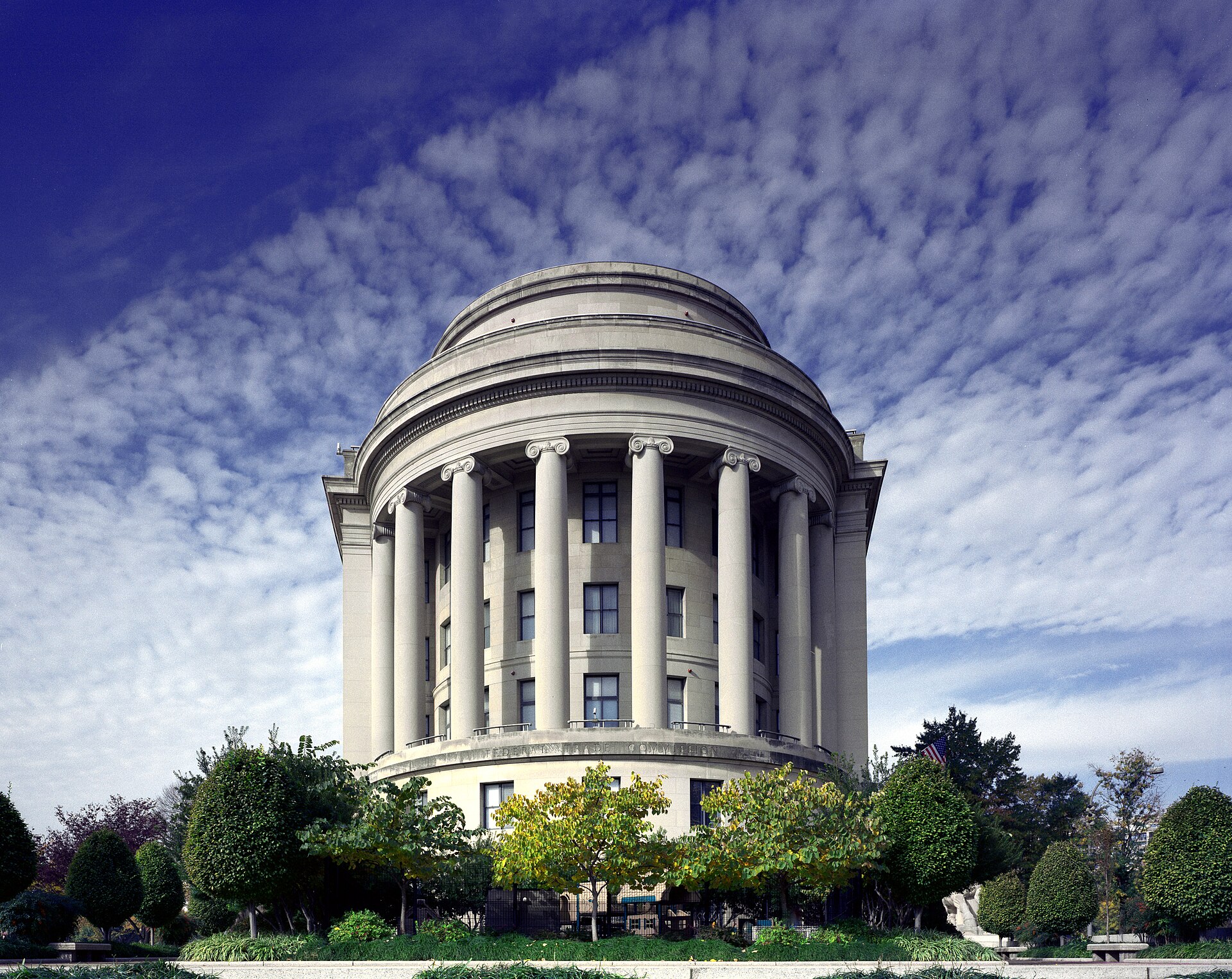
Act this weekWhat happenedMessages about an FTC Prime subscription settlement payout are circulating, and readers are asking if they are real or a scam.
Who is affectedAnyone who has an Amazon Prime subscription or has received a refund or settlement message by email, text or phone.
What to do- 1Do not click links or open attachments in a settlement message you did not expect.
- 2Never pay a fee or give card, bank or password details to receive a refund.
- 3Go to the FTC website or your Amazon account by typing the address yourself.
- 4Delete the message and report it as spam or phishing if it looks suspicious.
Messages about a payout from an FTC Prime subscription settlement are going around, and many people are asking one question: is this real or a scam? The safe answer is to treat any unexpected message as suspect until you have checked it yourself.
Why this matters
Scammers like to copy real settlements. The case may be real, but that does not make every email, text or phone call about it real. A fake refund message can steal your card details or your login. That puts both your money and your Amazon account at risk.
Who it affects
Anyone with an Amazon Prime subscription could get one of these messages. So could anyone who has received a refund or settlement message by email, text or phone. If you have no Prime account, the same trick can still show up in your inbox, so the advice applies to you too.
What to watch for
One rule is simple. A real refund should never require you to pay a fee to receive your money. If a message asks for a fee, or for card, bank or password details, it is not a genuine payout.
What to do
The alert box above lists the steps. In short, do not click anything in a message you did not expect, and go to the FTC website or your Amazon account by typing the address yourself.
What is not known yet
The source material does not say who qualifies for a payout, how much it could be, or how claims are handled. Until those details are confirmed on the official FTC site, assume any message promising money is unverified.
The takeawayNever pay a fee or share card or password details for a refund, and check any Prime settlement claim by typing the FTC or Amazon address yourself.