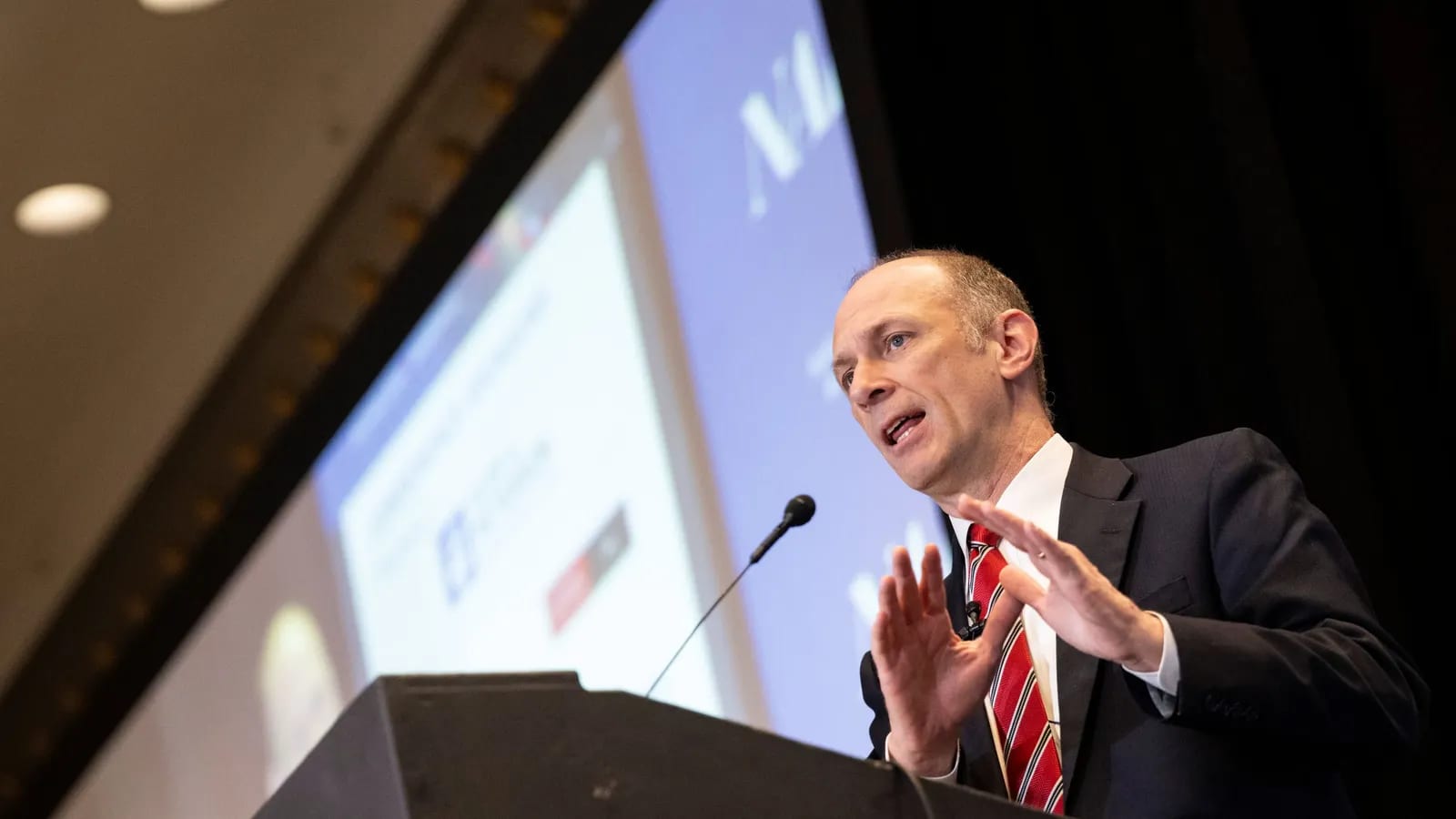
Paper checks kept coming up at one of the US payments industry's most closely watched meetings this month, even though the agenda was about digital payments. Attendees at the Chicago Payments Symposium joked about it. Behind the jokes was a real question: why do so many businesses still use checks when there are so many digital options?
What happened
The symposium ran Oct. 13 and 14 at the Chicago Fed. It is hosted by Federal Reserve Financial Services, the part of the central bank that oversees payments and projects like FedNow, its instant transfer system. About 150 people were invited. The press was barred.
The agenda covered stablecoins, agentic transactions and real-time transfers. Agentic transactions are payments made by AI agents acting for a customer. Even so, checks became a "running joke," said Deborah Baxley, a partner at PayGility Advisors in Rye, New York, who was attending for the third time.
Why checks keep surviving
The topic started in an early panel on why real-time payments have not spread faster. That led to talk of "organizational inertia," which means habits that are hard to change. Baxley said this keeps checks alive among small businesses, partly because they are unwilling or unable to invest in technology upgrades. Checks persist even as check-related fraud rises.
Consultant Peter Tapling of Chicago called the focus on checks surprising. He said it grew from a central question: why can't the industry get people to stop taking checks? He also described a "conundrum of modernization." Financial institutions have little interest in ripping out systems that work in favor of untested new technology.
The AI question
Attendees also debated whether AI agents can be trusted with payments. Hitesh Joshi, a vice president at the card network Shazam, said the worry is about errors as much as fraud. Nobody has settled who bears the risk when an agent goes wrong. Protocols, meaning shared technical rules, are in development, but it is not clear which will win. "Everyone agreed with the questions, but no one had the answers yet," he said.
Who it affects
Any business that still sends or accepts checks carries fraud risk and delays that digital payment options can reduce. A few steps are worth considering:
- Count how many of your payments still move by check.
- Note which customers or vendors insist on paper, and ask why.
- Ask your bank what digital payment options it offers.
What happens next
Kim Robbins, chief operating officer of the Kansas City Fed bank, takes over Federal Reserve Financial Services next month from Mark Gould. Both attended the symposium. A Fed spokesperson had no official comment on the event. The job ahead for Robbins is to keep pushing the industry from the paper check toward more secure, efficient digital methods.
The takeawayIf your business still runs on checks, you carry fraud risk and delays that digital payment options can reduce, so it is worth reviewing how you get paid.