OpenAI has announced the Grid Protectors Program, a plan for its future data center campuses to cut back on electricity use when the power grid is under strain. The company calls it a national effort in the US. Its stated goal is affordable, reliable electricity for families and businesses in nearby communities.
What changed
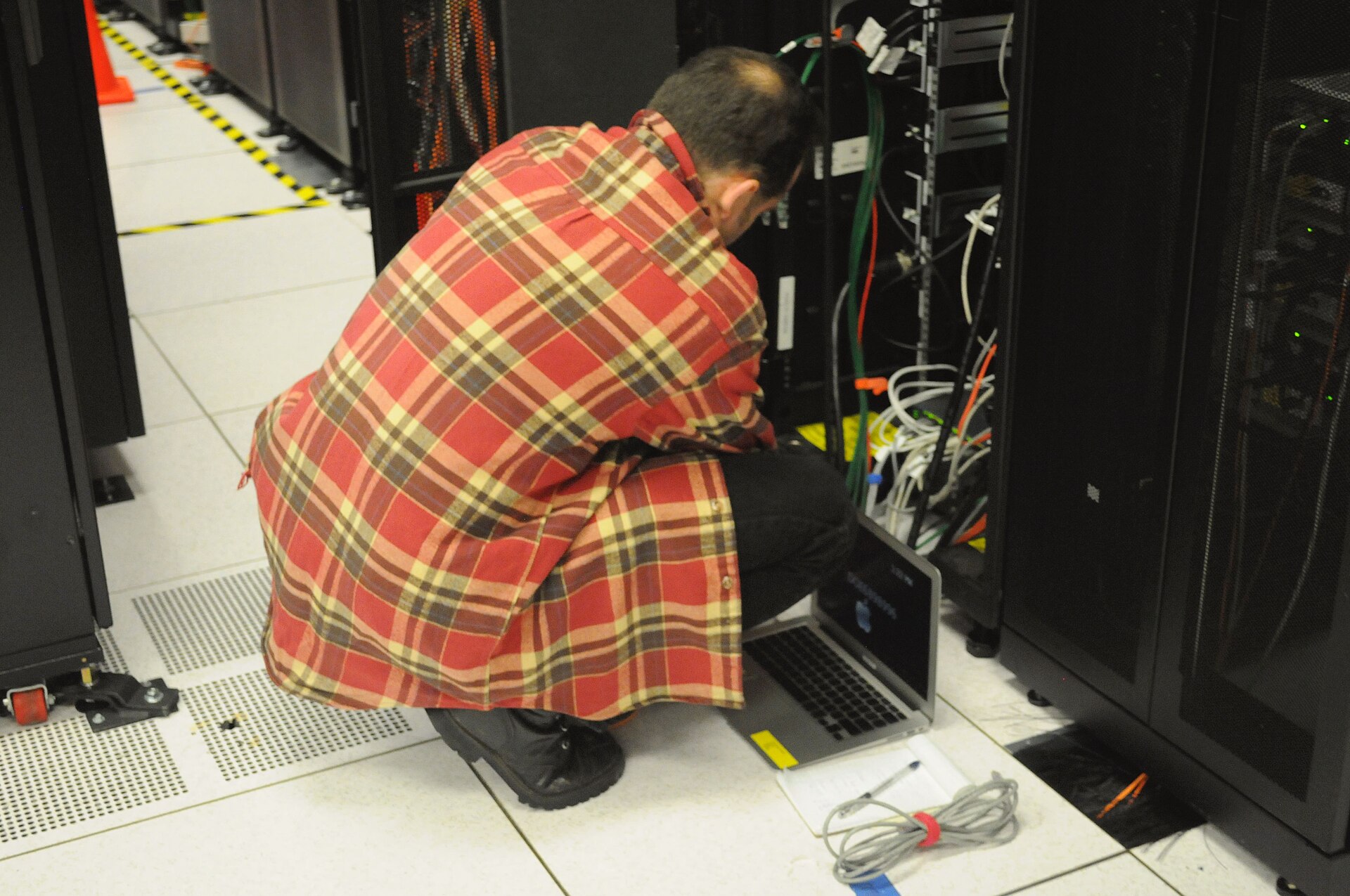
Data centers are large buildings full of computers that run AI tools. They use a lot of power. The grid is the network that delivers electricity to homes and businesses. When demand is very high, that network can be pushed to its limits. OpenAI says its new campuses will reduce their demand during those moments.
Who it affects
The promise is aimed at people who live near planned data centers, and at anyone who worries that AI growth could lead to higher power bills or outages. It covers future campuses, not necessarily the ones already running.
What is not known yet
- How much power the campuses would cut, and for how long.
- Which locations and utilities are involved.
- When the first campuses would start following the program.
- How the results would be measured or checked.
What happens next
The announcement is short on specifics, so it is a statement of intent for now. Watch for numbers, named sites and agreements with local power providers. Those details will show whether the program protects household bills and reliability in practice.
The takeawayOpenAI is promising its future data centers will ease off power use during grid stress, but the key details have not been shared yet.