New York became the first state to pause new data center development, but some of the people who pushed for it are not satisfied. Data centers are the large buildings full of computers that run apps, websites and AI tools. They can affect power and water bills, so what your state decides could show up in your costs and your neighborhood.
What New York did
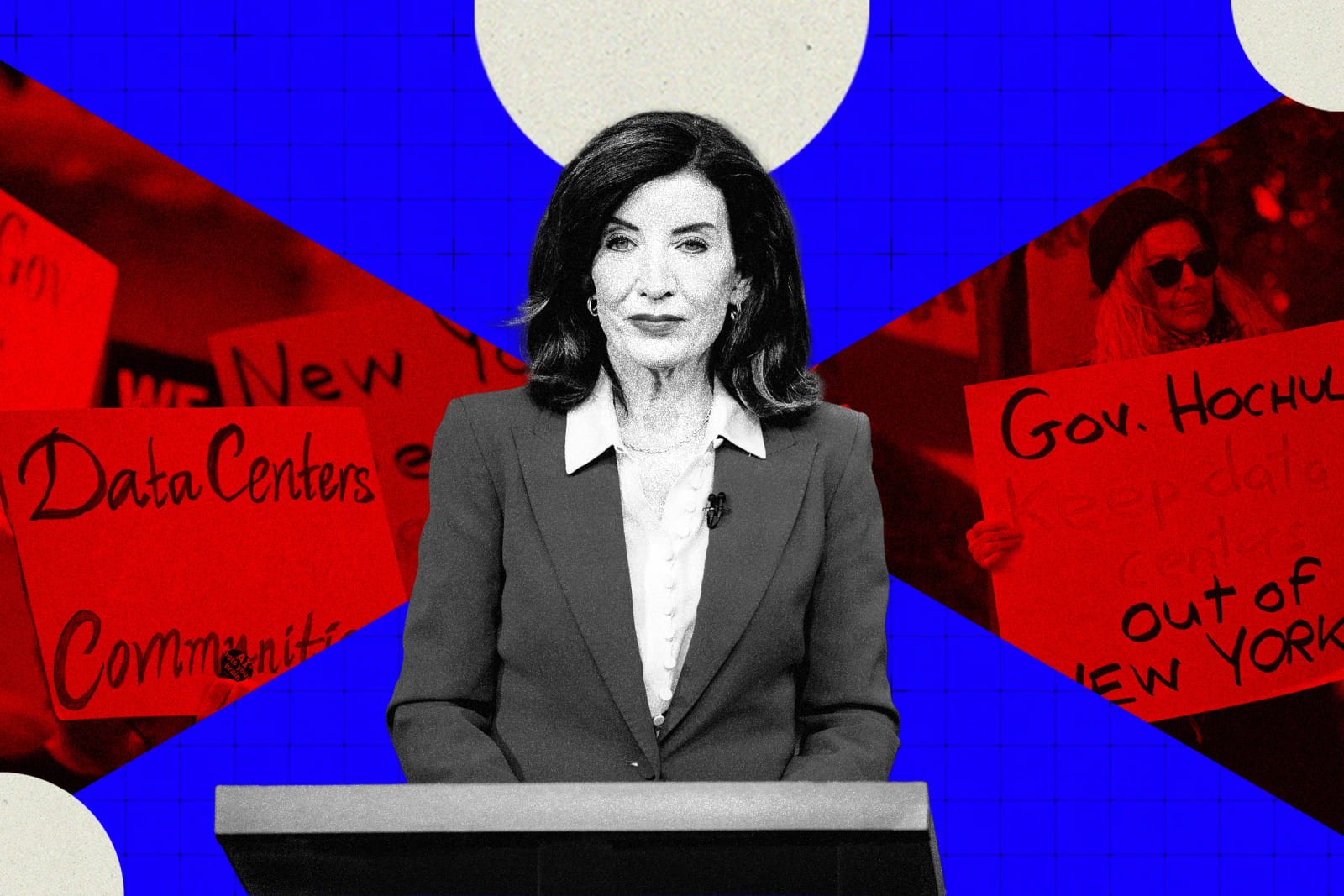
In July, Governor Kathy Hochul signed an executive order pausing data center development for one year. It was a compromise. Weeks earlier, the state legislature had passed a bill with a one-year pause that was tougher in several ways. It had stricter limits on the size of data centers. It also required the state Department of Environmental Conservation to do a thorough environmental review.
Hochul has until the end of the year to sign that bill. Her office says it is still looking at it.
Why some locals are uneasy
Adrienne Yocina, a mother of three, has spent two years organizing against a planned 600-megawatt data center in western Genesee County. The site is close to the Tonawanda Seneca Nation's reservation and a federal wildlife refuge. She says she is "getting nervous." She worries the state environmental agency is not involved enough. Of the governor, she said, "I feel like she's just trying to shut us up."
State Senator Kristen Gonzalez, a sponsor of the bill, supports the pause but wants more. She says residents near existing data centers deal with air and noise pollution and rising utility and water bills. "We see the moratorium as a first step, but it can't be the last," she said.
What voters think
- A September Siena poll found 63 percent of New Yorkers would oppose data centers in their area even after the pause ends.
- Among New York Democrats, that figure was 75 percent.
- In a Quinnipiac poll, 53 percent trusted Hochul more on AI and data centers, versus 31 percent for Republican Bruce Blakeman.
Blakeman has voiced support for data centers and called the pause "crazy" when it passed.
What happens next
Hochul has said she wants to work with lawmakers on stronger protections, including a ban on tax breaks for data centers. She says communities should get to choose. In her words, if they want a data center it should come with guardrails, and if they do not, "it doesn't come."
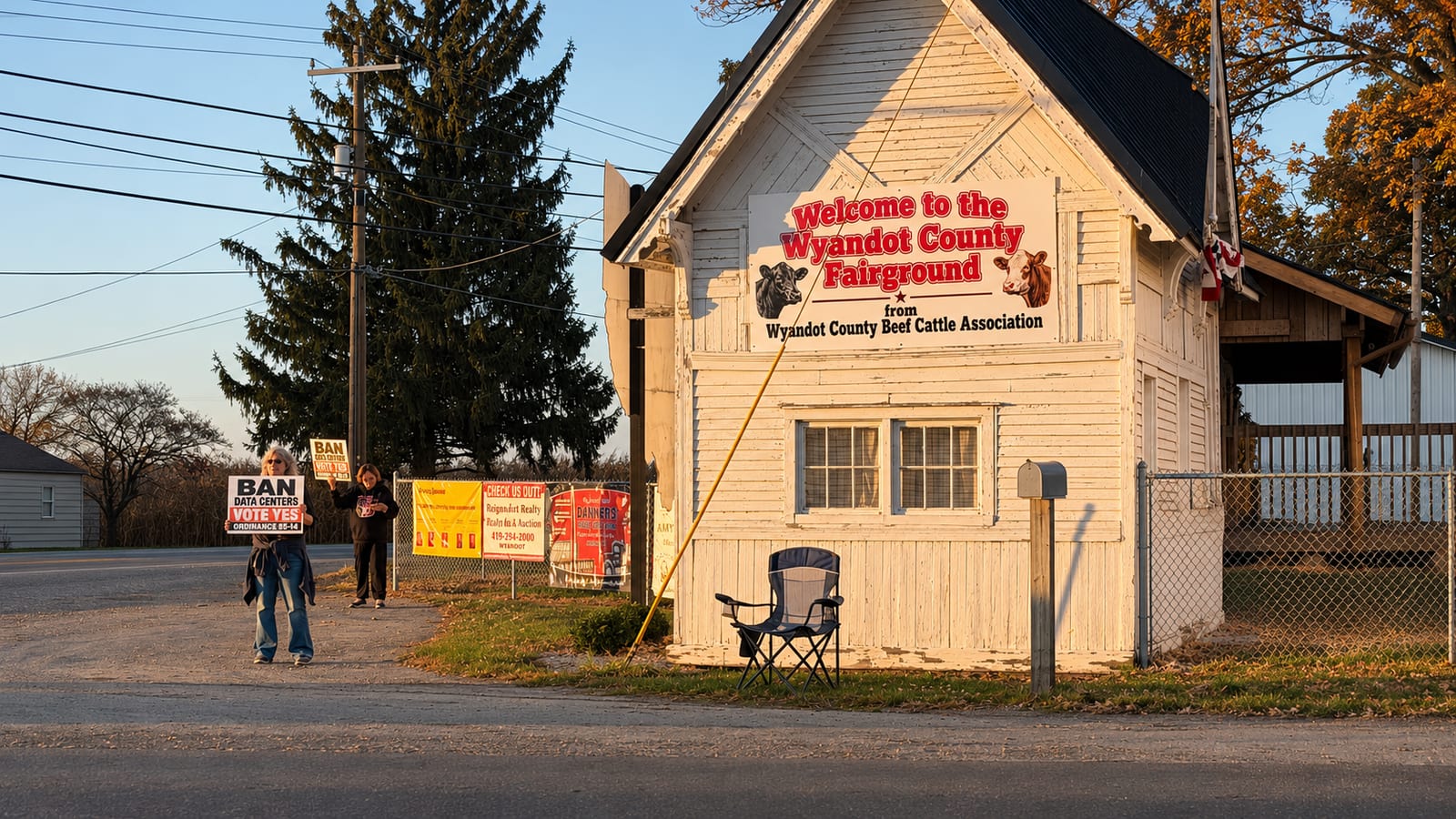
Other states are heading the same way. MultiState, a government relations firm, counts at least 20 candidates for governor who have promised a data center pause. Texas Governor Greg Abbott and Pennsylvania Governor Josh Shapiro, once friendly to the industry, have also pledged stricter rules. After Tuesday's elections, winners must decide whether to keep those promises.
The takeawayA data center pause is a first step, and voters like Yocina want stronger rules once it ends, so expect this fight in more states.