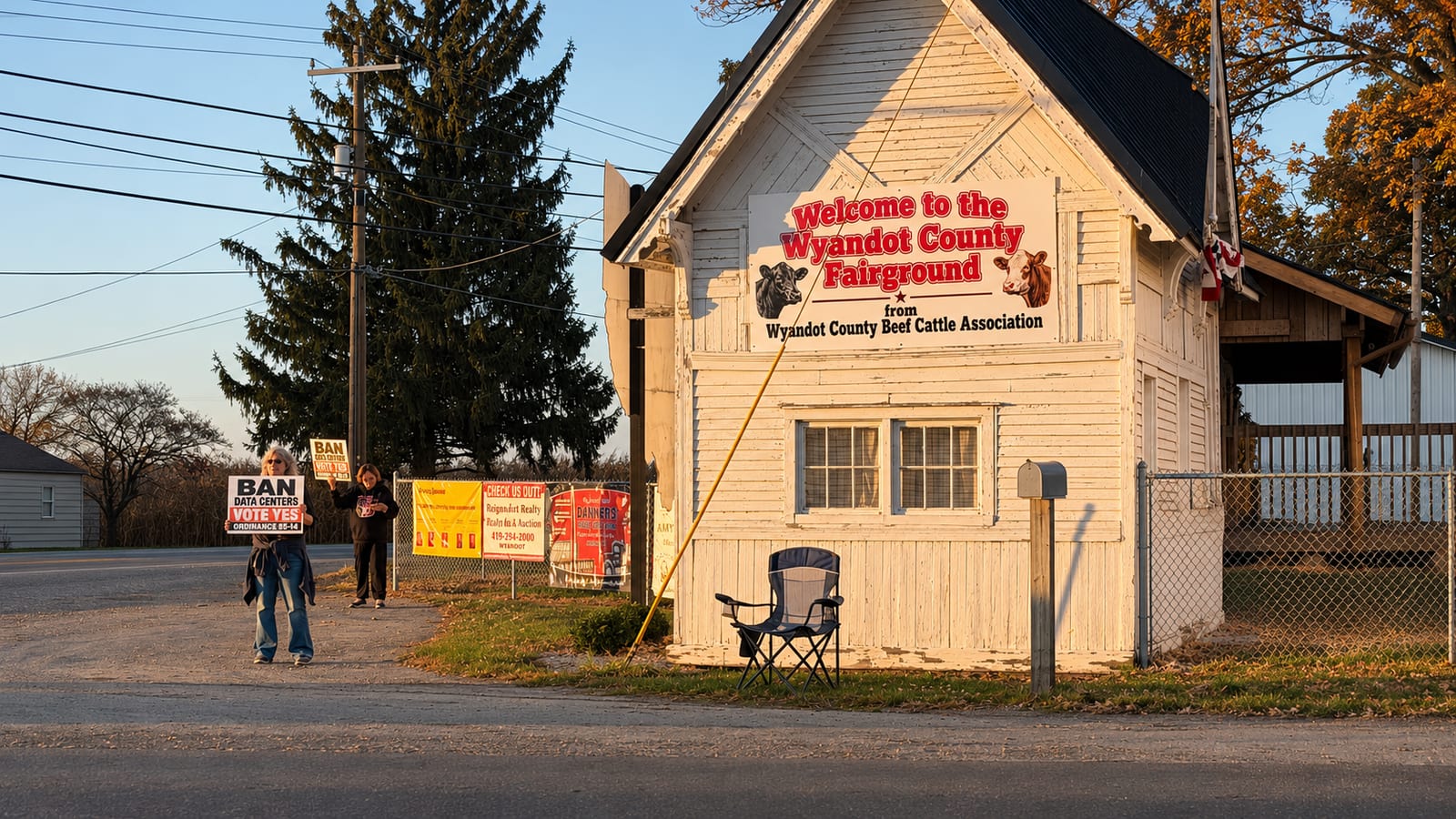
Meta's president says building data centers in the US is about to get harder. Dina Powell McCormick said the Democratic wins in the midterm elections will make it tougher for companies to build them. She spoke Wednesday at the WSJ Tech conference. Data centers were a ballot issue this election season, and some politicians ran against them.
What she said
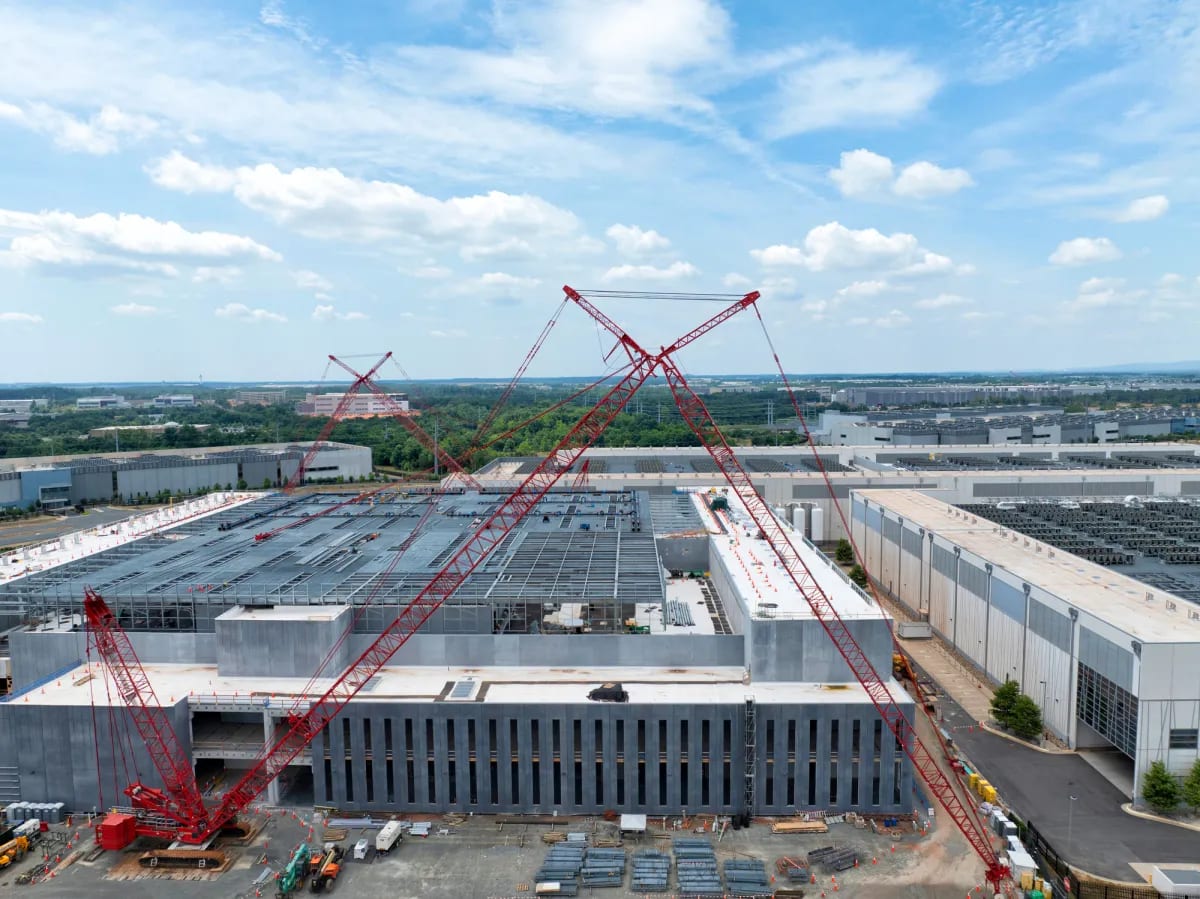
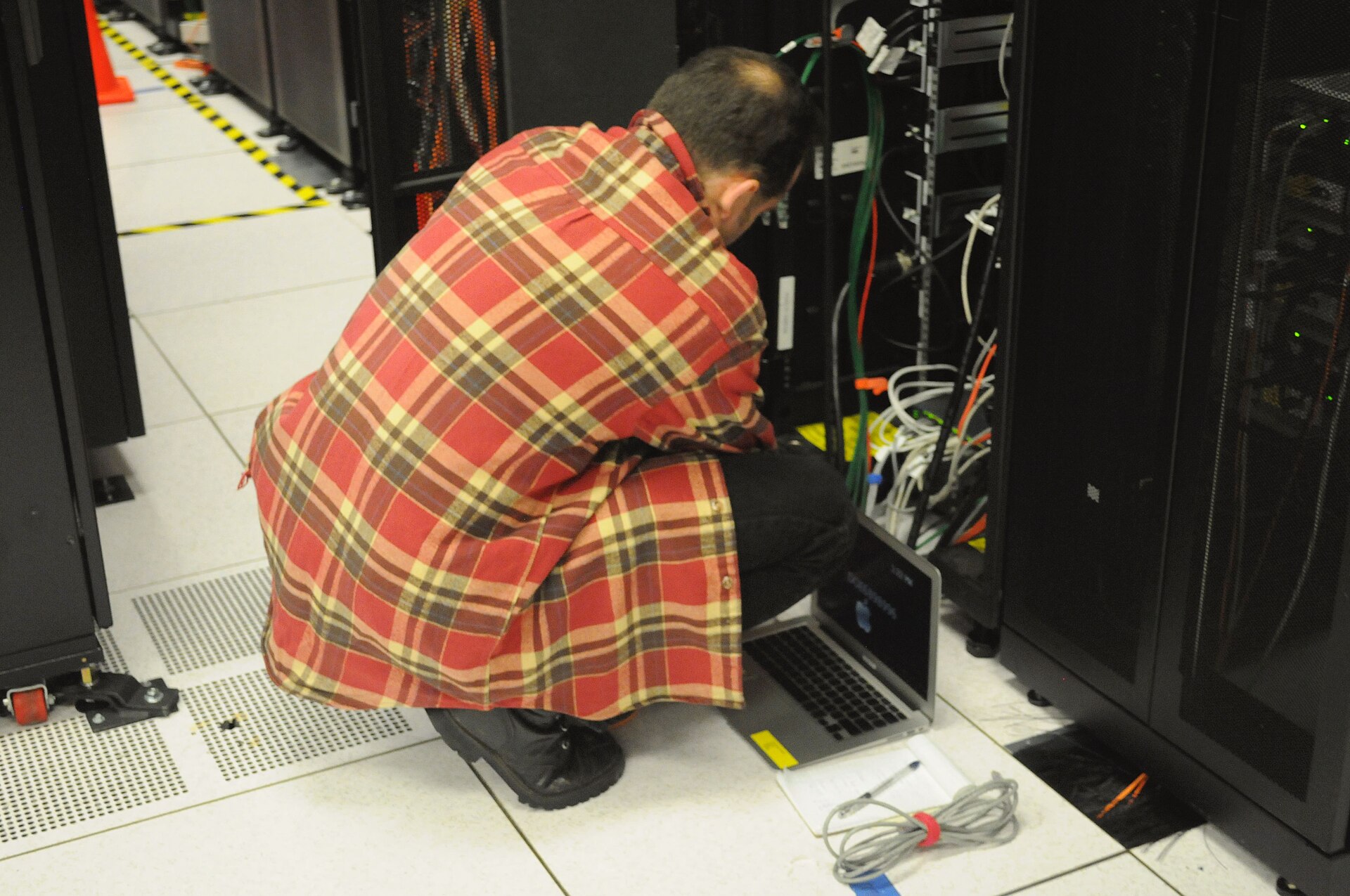
A data center is a large building full of computers that power online services and AI. Powell McCormick said the industry has "not done as good a job as we needed to explain the benefits of these investments." She also said people can point to a data center and say they do not want it in their community. In her view, the deeper issue is how people feel about AI in general.
What Meta says works
Powell McCormick described the approach Meta uses to close deals with local communities. She said communities mainly want data centers when they get something out of them. Successful projects, she said, include:
- Meta pays for its own electricity.
- Any extra tax money goes toward teachers and first responders.
- The workforce stays local.
- The project has support from both political parties.
She expects future projects to face more review and to be weighed against whether local residents actually want them.
The size of Meta's bet
Meta says it has built data centers for 20 years and now has them in 23 states. Five are planned at one gigawatt or more, including one in Texas. A gigawatt is a measure of electrical power. Meta is also betting on AI products. Its consumer AI agent, Muse, has about 10 million users today. The company hopes it will one day serve billions.
Powell McCormick said the buildings would still pay off if that falls short. She said Meta gets calls every day to lease the computing power it has built, so it sees a path to making money either way.
Why it matters locally
For residents, the debate comes down to local terms. Who pays for the electricity, where tax money goes and whether jobs stay in town are the points Meta itself named. More local review could mean more public hearings and votes on projects like these.
What is not known yet
The article does not say which projects are at risk or how any specific town will vote. It also does not say whether Meta will change its plans. For now, the warning is one executive's expectation, and Meta has a clear interest in how the debate turns out.
The takeawayIf a data center is proposed near you, ask who pays for the power, where the tax money goes and whether the jobs will be local.