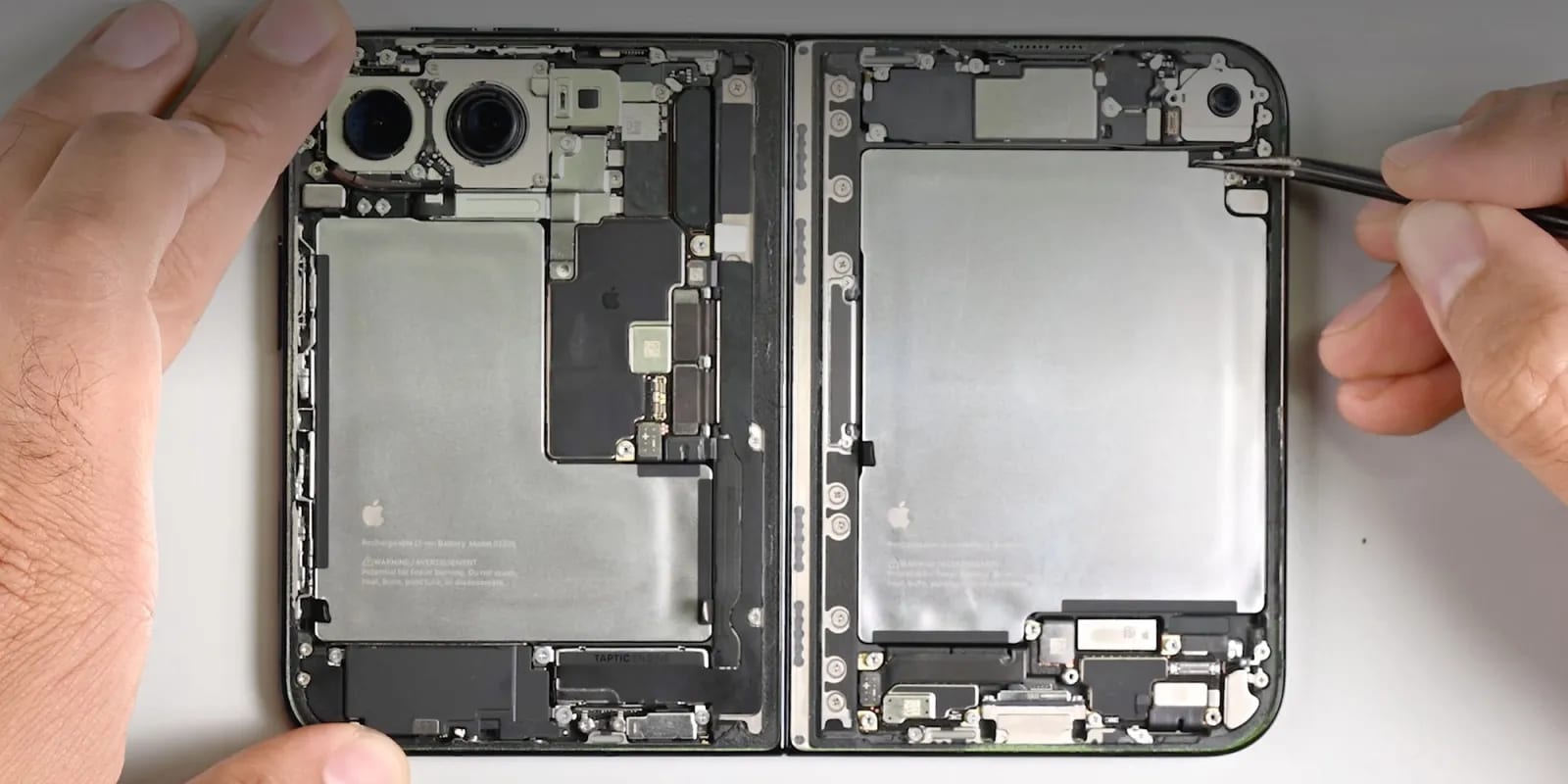
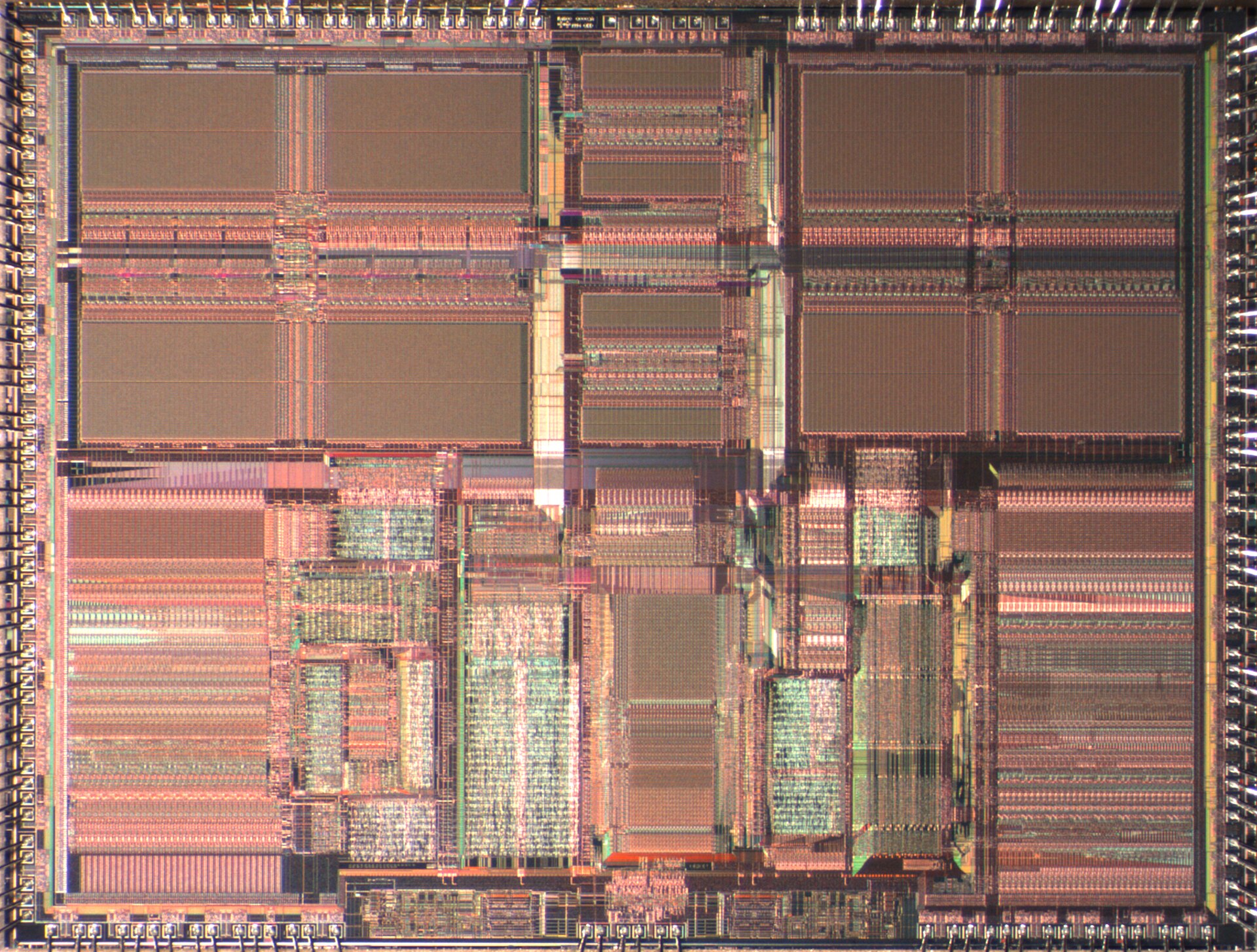
One of Apple's key memory suppliers, SK Hynix, is warning that the shortage of memory chips will probably last through at least 2030. That would keep prices high for the devices that use them. Memory comes in two main kinds: RAM, which helps a device run apps smoothly, and flash, where your photos and files are stored.
Why supply is stuck
SK Hynix says demand is growing, driven by AI. Supply is not keeping pace. The newest chips are technically hard to make, and new factories take a long time to build. The company says there is little that can be done in the short to medium term to add supply.
Who it affects
SK Hynix has long-term deals with 14 big tech buyers for priority orders. Apple is believed to be one of them. Together they will buy more than half of its output in 2027 and 2028. But those deals allow price increases based on market conditions, within a range agreed with each customer.
Apple is used to driving hard bargains with suppliers. Here, it likely had to accept contracts that allow big price hikes to secure supply. Apple said in June that it was trying to limit the price increases, but so far it has been unable to. Nikkei Asia also reports that printed circuit boards, the boards that connect a device's parts, could be the next part in short supply.
What is not known
The reports do not say how much prices will rise, or how much of the cost Apple will pass on to buyers.
The takeawayIf you are buying a phone, laptop or tablet, pay only for the storage you truly need, since memory-heavy models are likely to stay expensive.