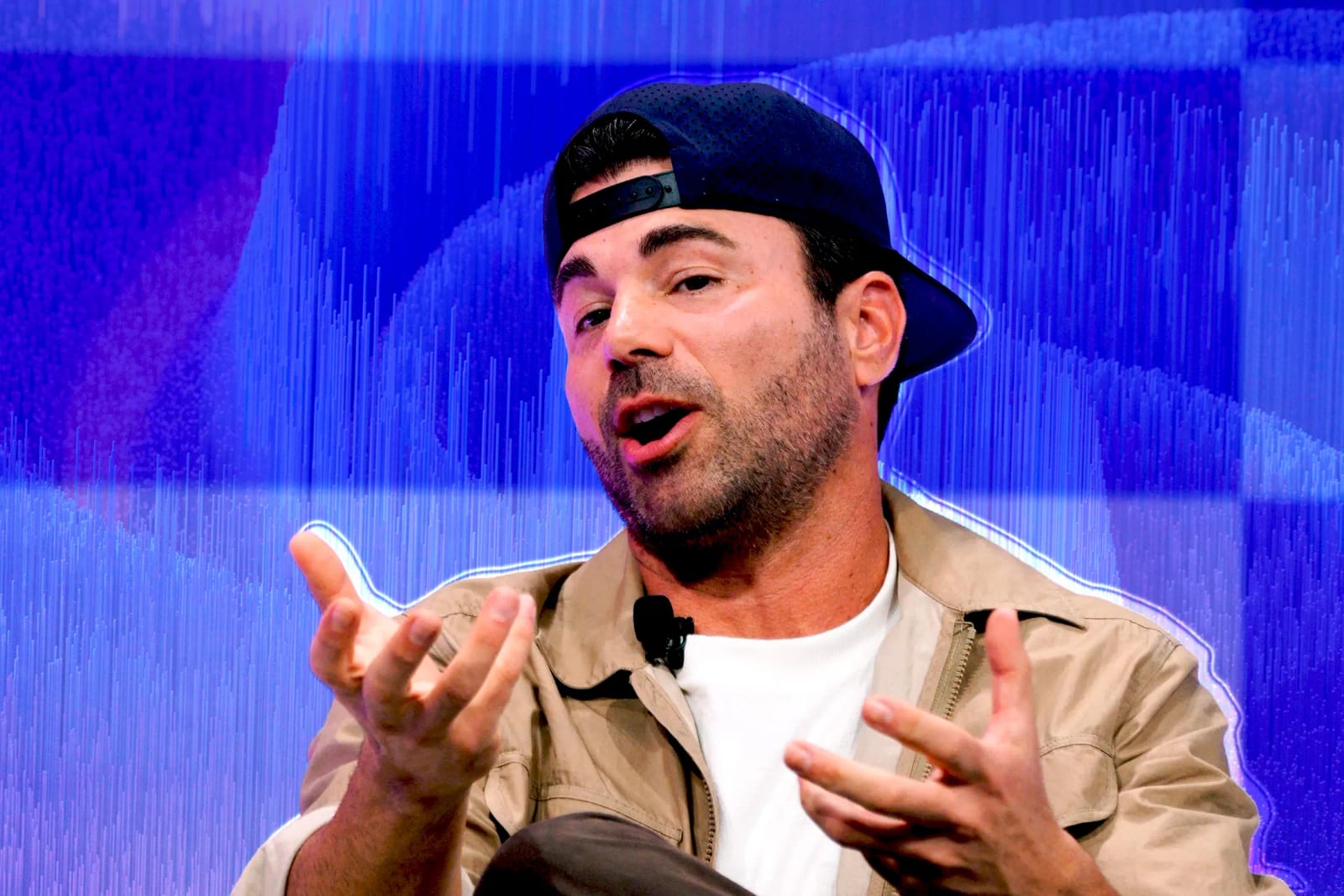
Mark Rober, the former NASA engineer with 85 million YouTube subscribers, says the way to stand out from AI slop is to go out and do something real. Slop means low-quality posts made quickly with AI. In an interview with Business Insider, Rober said viewers care that a stunt actually happened.
What Rober said
Rober put it as a simple choice. Do you want to see a simulation of someone dunking a basketball with a sick trick, or someone actually doing it? "The fact that you know it's real is what makes it crazy," he said.
He believes real-world experiments and a recognizable human personality give his channel an edge. "At least for a while, I think I have a moat on the YouTube channel," he said. A moat here means a protective advantage that is hard for rivals to copy. He did not say it would last forever.
The money side
Rober said his YouTube videos brought in about $17 million last year. That is roughly what they cost to make. He also earns money through CrunchLabs, his company that sells maker kits introducing young people to science and engineering. It now employs more than 200 people.
He is known for videos like How to Survive a Grenade Blast, with 100 million views, and Can you swim in Jello?, with 224 million views.
Who has more to worry about
Rober said that as more people make similar content, technical skill alone may count for less. He warned that channels built on anonymous narration or animation could struggle, because competitors can now copy them faster and more cheaply.
AI is not only a threat, though. The story points to Linguana, a startup that uses AI dubbing to run translated YouTube channels for creators, including translated thumbnails and descriptions. In April 2025, it told Business Insider it was producing 10,000 video translations a month for hundreds of YouTubers. It takes half the revenue from these partnerships instead of charging upfront.
What it means for business content
- Show real people, real products and real results where you can.
- Let your own face, voice or team be part of the work.
- Treat AI tools, such as translation, as a way to reach more people with content you already made.
These are one creator's views, and he is among the most successful on the platform. Smaller channels may find the same advice harder to apply.
The takeawayAs AI video gets cheap, proof that something really happened, shown by real people, may be what sets your content apart.