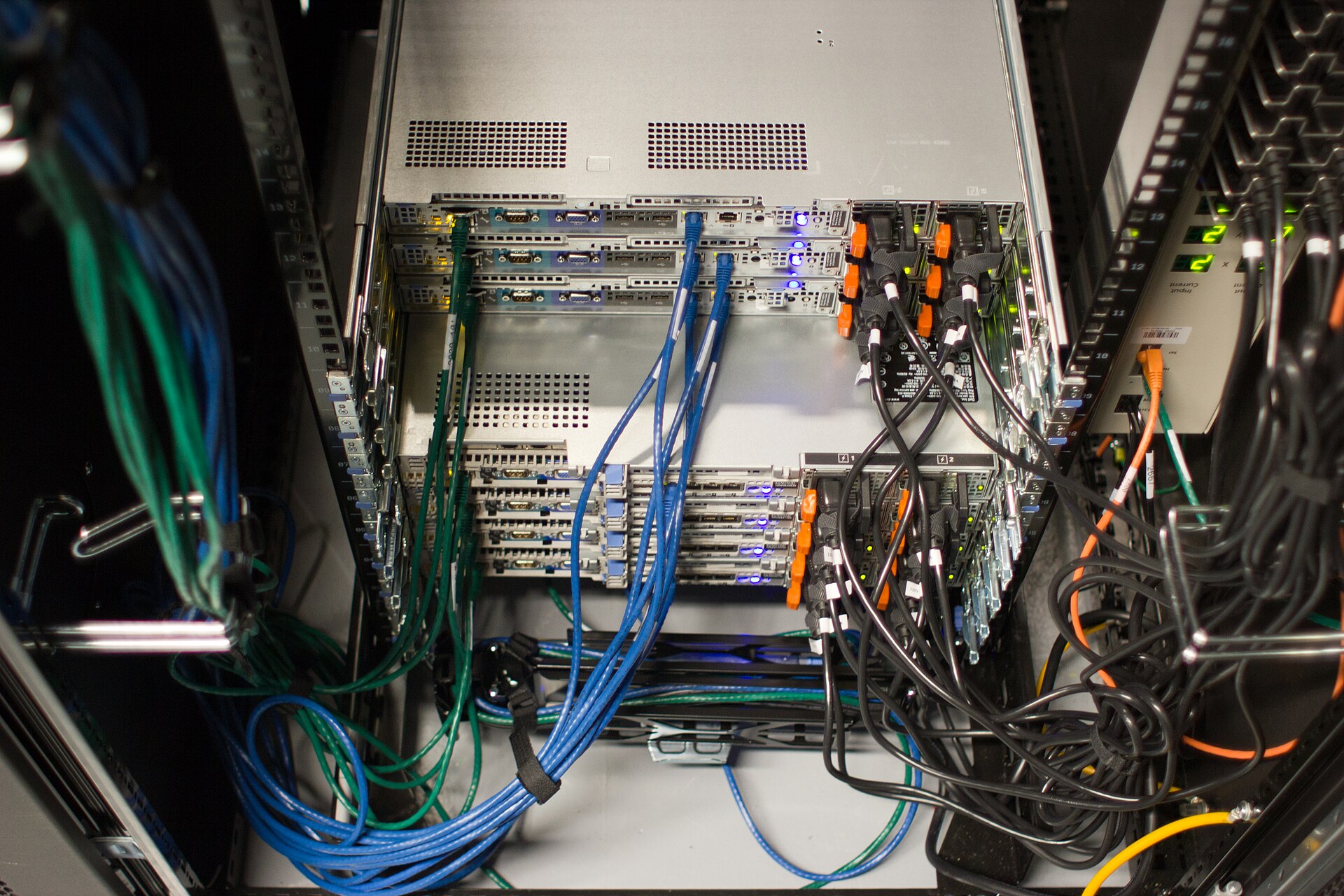
Mark Cuban, co-founder of Cost Plus Drugs, says many towns are making bad deals with data center developers. On "The A16z Show," released Wednesday, he said communities "have been really dumb with the deals they've negotiated." He added that they have "fallen for the contractual terrorism in a lot of cases." A data center is a large building packed with computers, and the AI boom is driving a rush to build them.
What Cuban means
Cuban first used the phrase "contractual terrorism" about healthcare. He said big insurers use huge, confusing agreements that hide where money goes, which makes it hard for employers to see what they are paying for. Those contracts are "so big and so long," he said, that insurers "get to be contractual terrorists." He now applies the same idea to data center deals between developers and local governments.
Why towns are worried
The fight over data centers is already heated across the US. Residents near facilities have reported constant low humming, diesel smells, bright lights and construction disruption. They also point to strain on water and electricity supplies and the loss of trees and open land. In Northern Virginia, the country's data center capital, opposition has helped reshape elections, led to lawsuits and pushed residents to demand tighter noise and zoning rules.
A University of Massachusetts Amherst poll of 1,000 Americans in September found 65% opposed building an AI data center in their community. That included 49% who strongly opposed it.
Many projects never get built
Announcements are far ahead of reality. Aterio, a company that tracks projects through satellite images, permits and other records, counted 8,268 announced US data centers as of October 20. Only 2,126 were active and 861 were under construction. Thousands more had only been announced. That leaves local governments signing long-term deals for projects that may never get past a press release.
His advice for towns
In a series of X posts in September, Cuban laid out a 10-point playbook for communities weighing their first data center. His core rule is that every developer promise should come with four things.
- A measurable limit, so the promise can be checked
- Independent oversight, so someone outside the project verifies it
- Financial backing, so the money is there if something goes wrong
- A remedy, so there is a penalty if the promise is broken
Timing matters too. "Resolve it before granting the approval that spends the last of the town's leverage," Cuban wrote. In other words, settle the hard questions before construction starts, while the town still has bargaining power.
What is not known
The article does not name any specific town or contract that Cuban considers a bad deal. It also does not say how many communities have signed weak agreements. His comments are his own view, not a review of actual contracts.
The takeawayIf a data center is proposed near you, ask whether each promise has a measurable limit, outside oversight, financial backing and a penalty before the town approves it.