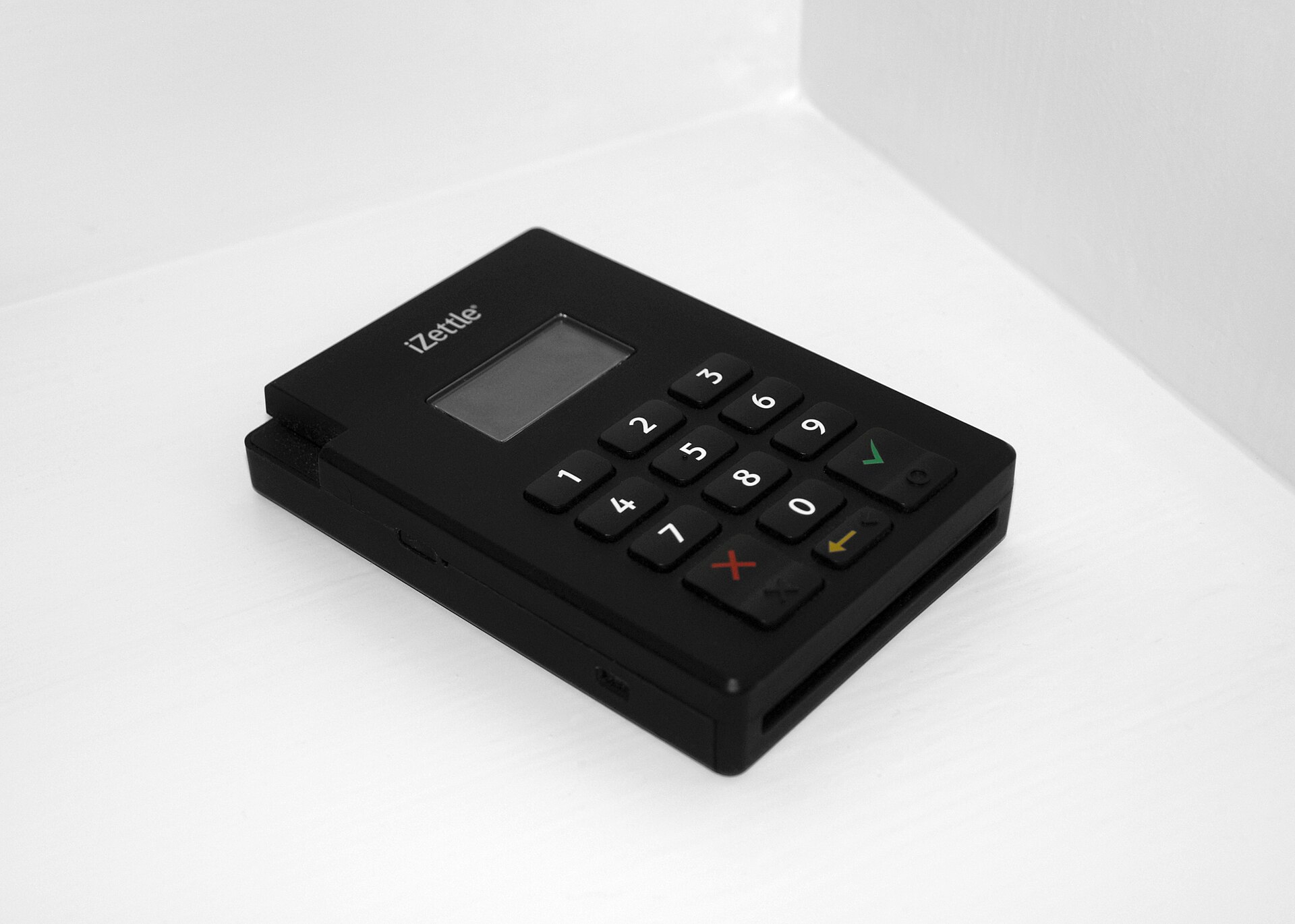
Mastercard has published a report on digital payment methods in the Middle East and Africa, a region often shortened to MEA. The report looks at emerging trends and innovation in how people pay. The full text was not available for this article, so the specific findings are not covered here.
What the report covers
MEA spans dozens of countries, so there is no single way people pay. The report's focus is on new ways of paying digitally. One thing worth looking for is how phone-based payments and cards are used side by side, rather than one simply replacing the other.
Who it affects
The people most touched are businesses that sell to customers in these regions or send money across them. The payment options your customers prefer may differ from what you expect. A checkout page built around one method could leave some buyers out.
Read it with context
The report comes from Mastercard, a company that earns money when digital payments grow. That does not make the findings wrong. It does mean the report is written from the point of view of a company that benefits from more people paying digitally, so it is worth reading with that in mind.
What is not known yet
No numbers, country names or specific trends are available from the material provided. It is not clear which countries lead, how fast change is happening, or which payment types are most popular. Those answers would need to come from the report itself.
The takeawayBefore you sell or send money in the Middle East or Africa, check which payment methods your customers actually use instead of assuming.