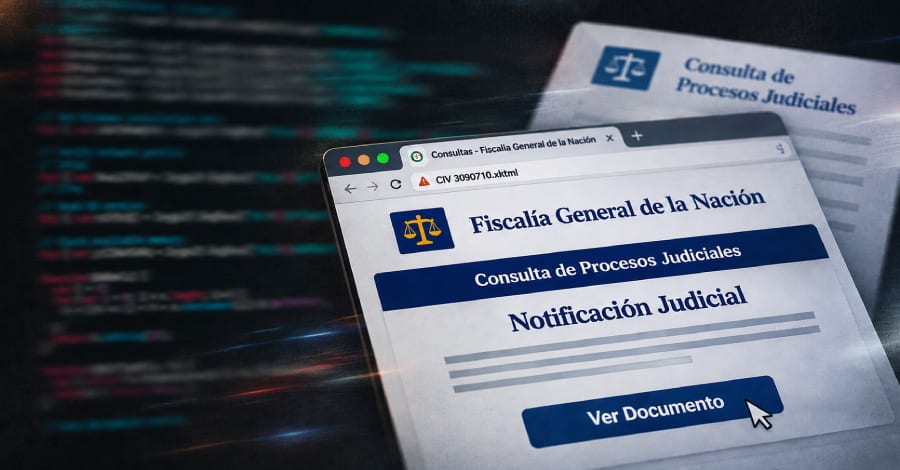
Financial fraud is changing, and scams are getting harder to spot. That is the message of a recent MaltaToday report titled "The new face of financial fraud," published on November 10, 2026. The full article was not available for this summary, so only the main points from its highlights are covered here.
What changed
According to the report, fraud is taking a new form. Scams now often reach people through phones, messages and online payments. These are the same tools many people use every day to chat, shop and pay bills, which is part of why a scam can look like normal activity.
Who it affects
Anyone who uses a phone or pays online could be a target. That includes families, older relatives and small business owners who handle payments and customer requests from their devices. The report highlights do not name a specific group, country or type of victim.
What to do
One warning sign stands out: pressure to act fast. Scammers often want a quick decision so there is no time to think or check. The advice is simple.
- Slow down before sending money or sharing bank details.
- Confirm any urgent request through a number you already trust.
- Treat pressure to act right now as a reason to stop and check.
What is not known yet
The material does not say what the new forms of fraud look like in detail, how common they are, or how much money is involved. It also does not name any banks, laws or agencies. Those details would be in the full MaltaToday article.
The takeawayIf a message or call pushes you to pay or share bank details quickly, pause and confirm through a number you already trust.