Act this weekWhat happenedTwo class action lawsuits claim Coco Robotics and Serve Robotics collected customers' biometric data without consent. Both companies deny it.
Who is affectedPeople who order food through DoorDash, Uber Eats or Grubhub and get assigned a delivery robot, especially in Illinois.
What to do- 1Check the privacy policy of your delivery app and the robot company.
- 2Look for settings that limit data sharing or let you opt out.
- 3Ask the app for a human courier if you do not want to meet a robot.
- 4Watch for updates on the lawsuits, since the claims are unproven.
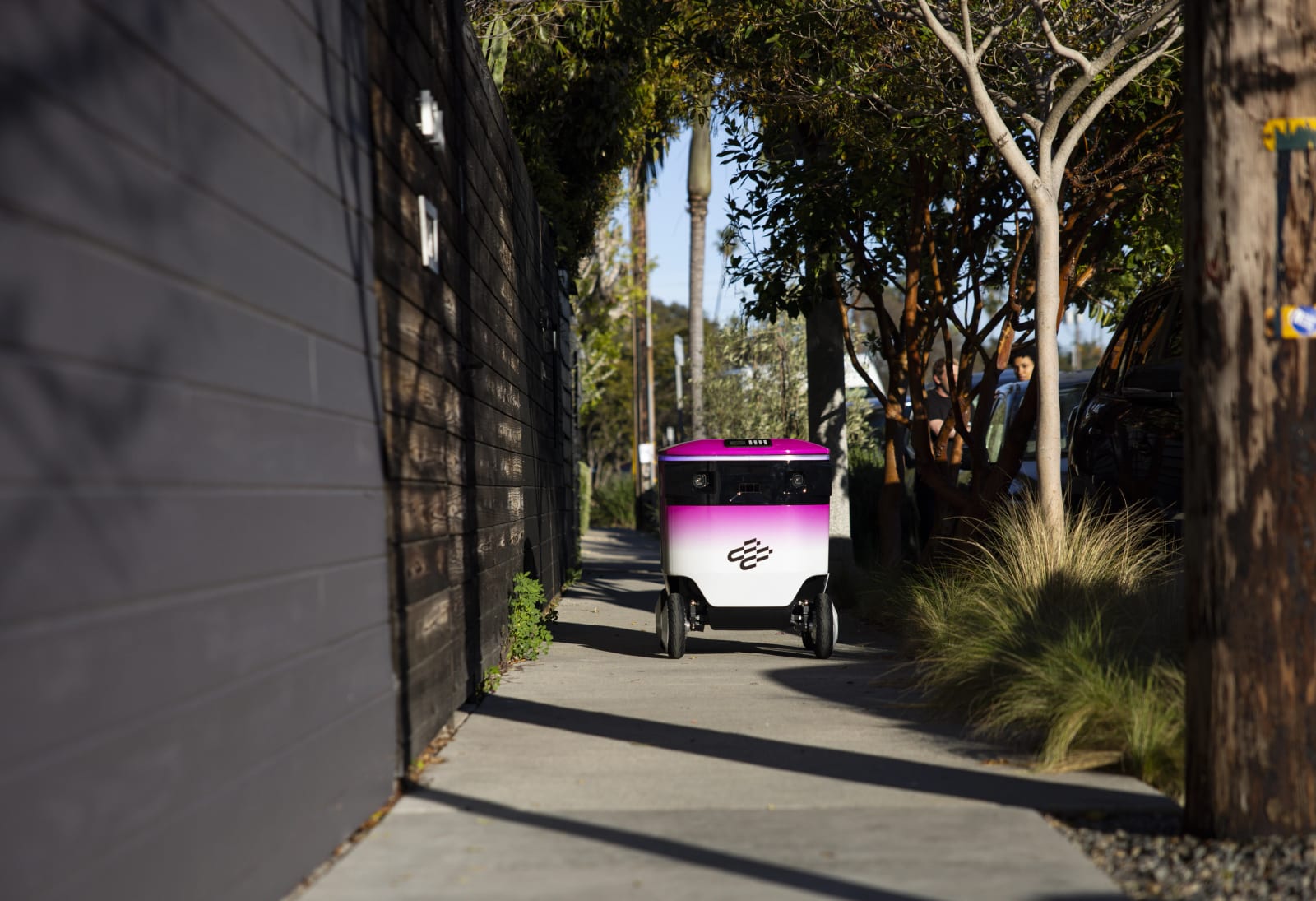
If a robot has brought you dinner, two new lawsuits say it may have scanned your face and hands. Two Chicago men have filed separate class action suits against Coco Robotics and Serve Robotics. They claim the companies collected biometric data without consent. Both companies deny it, and the claims have not been proven.
What the lawsuits claim
Biometric data means measurements of the body, such as the shape of a face or hand. The suits say the robots' outside cameras and their LiDAR sensors, which use light to measure shapes and distances, captured those measurements as customers walked up to the robot.
The plaintiffs say the data was kept and tied to personal details like names and addresses. They say it was used to train AI systems and sold to third parties, including OpenAI. The suits point to company disclosures saying video and sensor data can be licensed for AI training.
The suit against Coco also says the company did not tell customers about the scanning, which it argues breaks Illinois privacy laws. It also raises remote human operators who could allegedly watch deliveries and scans in real time.
The choice problem
Both cases stress that the customers never chose a robot. They ordered food, and the company assigned a robot afterward. Coco and Serve deliver for platforms including DoorDash, Uber Eats and Grubhub, so you may meet one without picking the service.
What the companies say
A Coco spokesperson said the lawsuit "fundamentally misunderstands our technology" and that the company has not collected biometric data in Chicago. The companies say the data they collect is for navigation and is shared with third parties to improve their services. Serve says it does not use sensor data to identify customers or build biometric profiles.
Who should pay attention
The most exposed are people who order through those three apps and get a robot, especially in Illinois. If you only use human couriers or never order delivery, there is little to do. Even for robot customers, nothing here shows your data was misused. The allegations are only that.
What to do
The alert box above lists simple steps, from reading privacy policies to asking for a human courier. None of them take long.
What happens next
The cases are at an early stage. Courts will decide whether the claims have merit, and the companies' denials will be tested. Watch for updates on what the robots actually record and how long they keep it.
The takeawayBefore accepting a robot delivery, check the app's privacy settings, and ask for a human courier if you are uneasy about being scanned.