If a data center is planned near you, you may soon get far more details before construction starts. Steven Carlini of Schneider Electric says operators will have to be open about how much power, water and land their projects will use. Schneider supplies electrical and cooling equipment to the industry.
What changed
Until now, operators in the US usually negotiated with local permit offices under non-disclosure agreements. Carlini says this was almost universal. Residents often learned nothing until construction began. He expects that to end, because permit applications and power requests will need to be more transparent.
What operators may have to share
Carlini listed what he thinks operators will have to disclose:
- Where the power will come from and how they will get it
- How much water they will use and where it comes from
- Carbon emissions and how efficient the site is
- The physical location and the noise levels of the facility
He also expects reporting once a site is running, so a prediction at permit time is not the last word.
Why people are pushing back
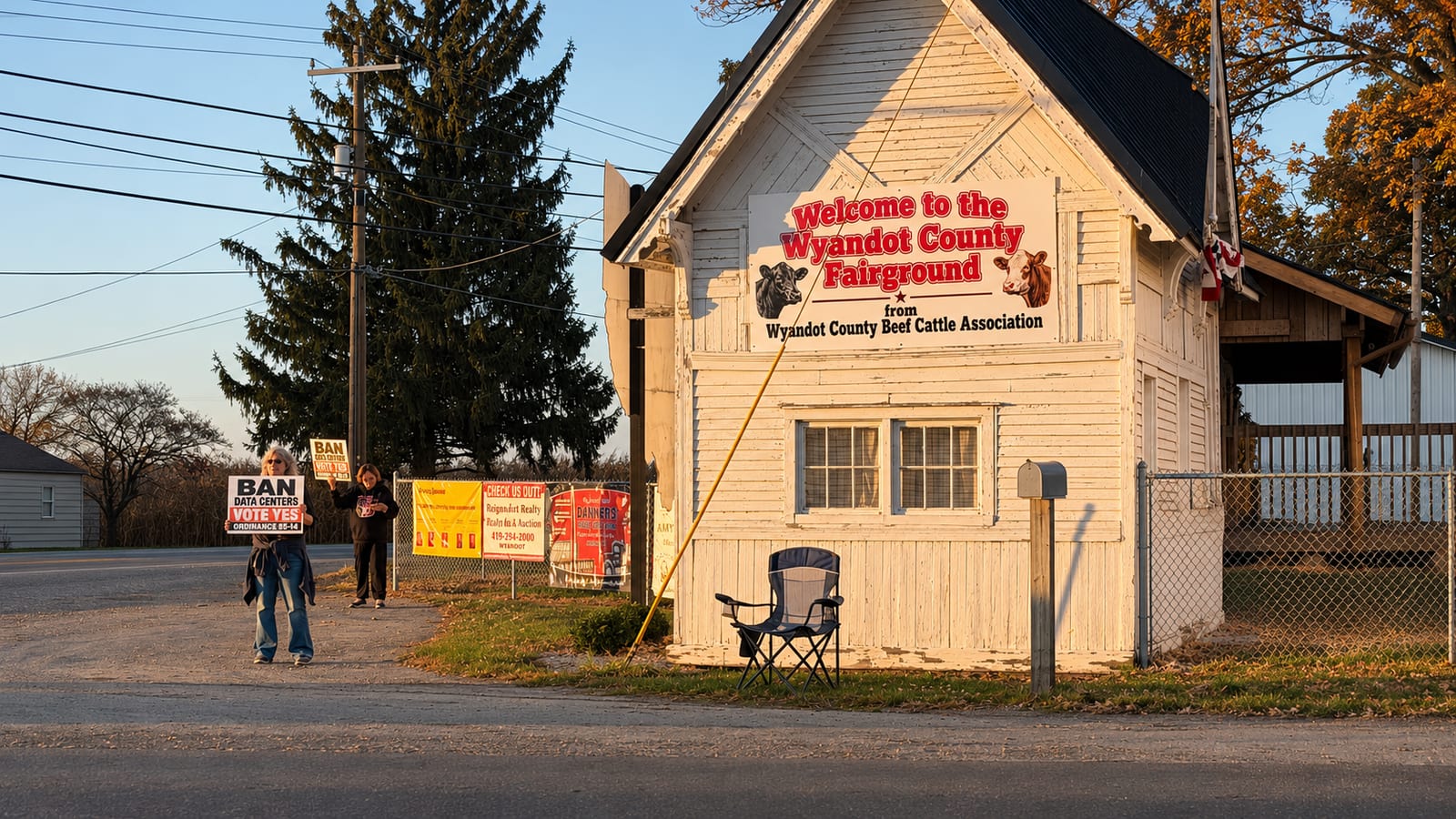
Opposition has grown. Campaign groups called for a moratorium on new facilities late last year, and New York state imposed a halt this summer. A Pew Research Center survey found more than half of Americans say data centers are bad for the environment and for household energy bills, and that they use water for cooling.
Scale adds to the worry. Meta's Hyperion project is planned to reach 5 gigawatts of power capacity and cover an area equal to a significant chunk of Manhattan. In Virginia, a former Amazon Web Services water sustainability manager is suing his old employer over claims it published false and misleading statements about water use.
The industry view
Schneider says its pipeline shows no slowdown. Keep in mind that it profits when more data centers are built. Reports earlier this year suggested only half the capacity planned for 2026 is under construction in the US.
Carlini also says the old pitch, that a data center simply benefits the community, no longer works. Using Facebook or Gmail does not mean people want one next door. He says operators should acknowledge concerns and explain benefits such as tax breaks or lower costs.
What happens next
The material does not name specific new rules or dates. Carlini's view is a forecast, not a law. For AI sites, he also expects more focus on how much work a facility produces per unit of power or cost, not just its size in power use.
The takeawayIf a data center is proposed near you, ask for its power, water and noise details, since operators are being pushed to share them.