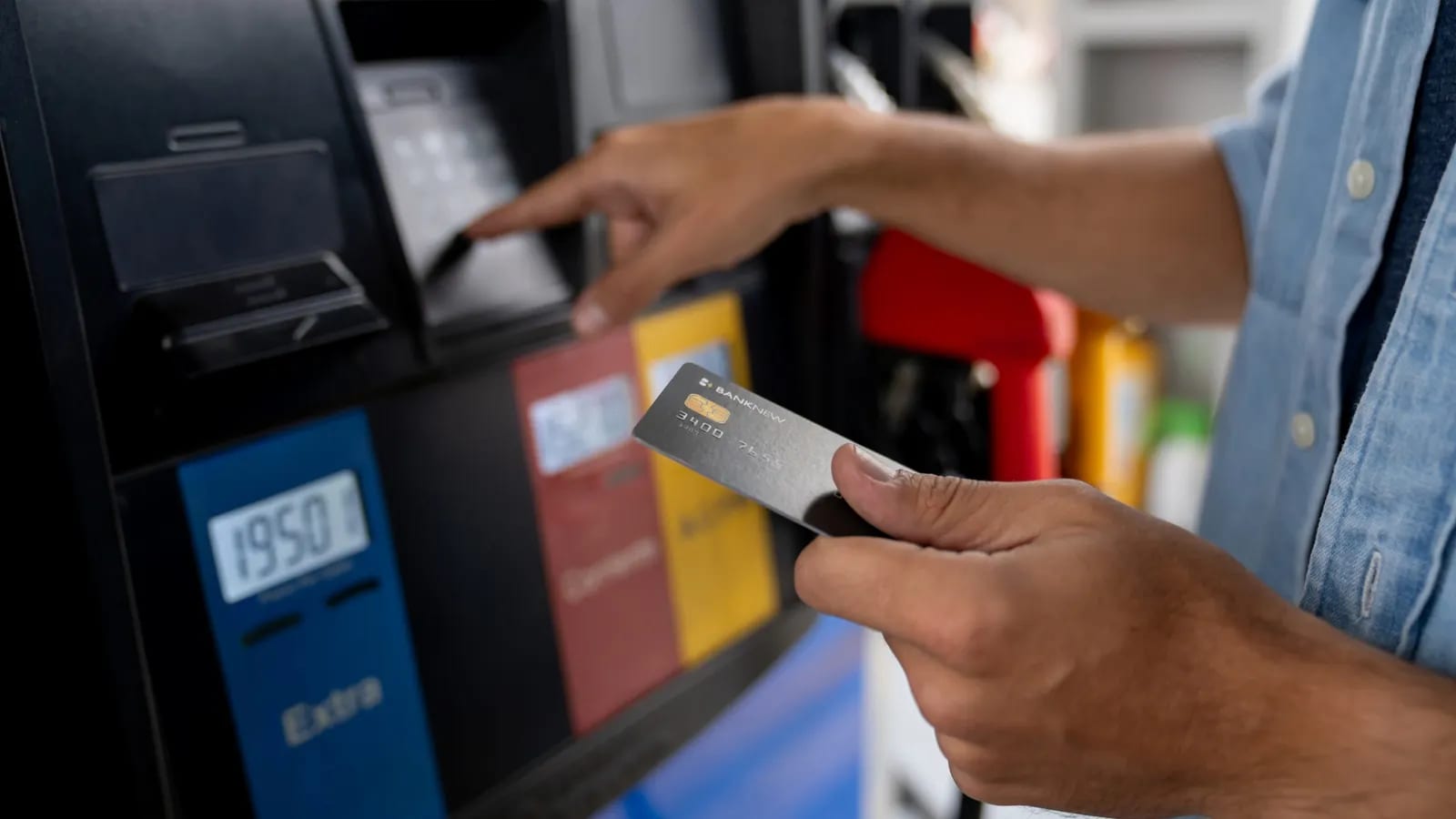
A federal appeals court ruled Monday that the Federal Reserve set its limit on debit card swipe fees the wrong way, and it vacated the current 21-cent cap. Swipe fees are what a store pays each time a customer uses a debit card. The ruling is a win for merchants, but the fight is not over.
What the court said
The Eighth Circuit U.S. Court of Appeals, based in St. Louis, said Congress told the Fed to consider the cost of handling each individual transaction. It did not tell the Fed to count a bank's fixed costs of running its business. The Fed's cap included fixed costs for authorization, clearance and settlement, plus network fees and fraud costs.
The judges wrote that the Fed "does not get to revise Congress's work." They also said the Fed has room to use a reasonable stand-in for per-transaction cost, so a new rule is possible.
How the cap works
- The Fed set the cap in 2011 at 21 cents plus 0.05% of the sale.
- Banks could add one cent for fraud prevention.
- It applies only to banks with $10 billion or more in deposits.
- The Fed can revisit it every two years.
In October 2023, the Fed proposed cutting the base fee by about 30%, to 14.4 cents. It has not moved forward since. A Fed spokesperson declined to comment on the ruling or that proposal.
Who started this
The case began in April 2021, when Corner Post, a truck stop and convenience store in Watford City, North Dakota, sued the Fed. A district judge struck down the rules in August 2025, and the Fed appealed. Merchant groups cheered the outcome. The National Association of Convenience Stores said the current rate lets banks collect billions more than the law intended.
What banks say
Bank and credit union groups said they were "deeply disappointed." They argue big retailers have kept billions from the 2010 law behind the cap without lowering prices. They say lower fees would leave banks, credit unions and consumers to shoulder the costs.
What happens next
Another case, Linney's Pizza vs. Federal Reserve, is pending in the Sixth Circuit. A lower court in Kentucky sided with the Fed there last year. Bank groups say this ruling is "not the last word."
Several things are not yet known. The material does not say what rule will replace the cap, whether the Fed will appeal further, or whether any savings would reach shoppers. For now, what you pay at the register is not shown to change.
The takeawayA court tossed the Fed's debit swipe fee cap, but a rival ruling and possible appeals mean nothing at the checkout is likely to change right away.