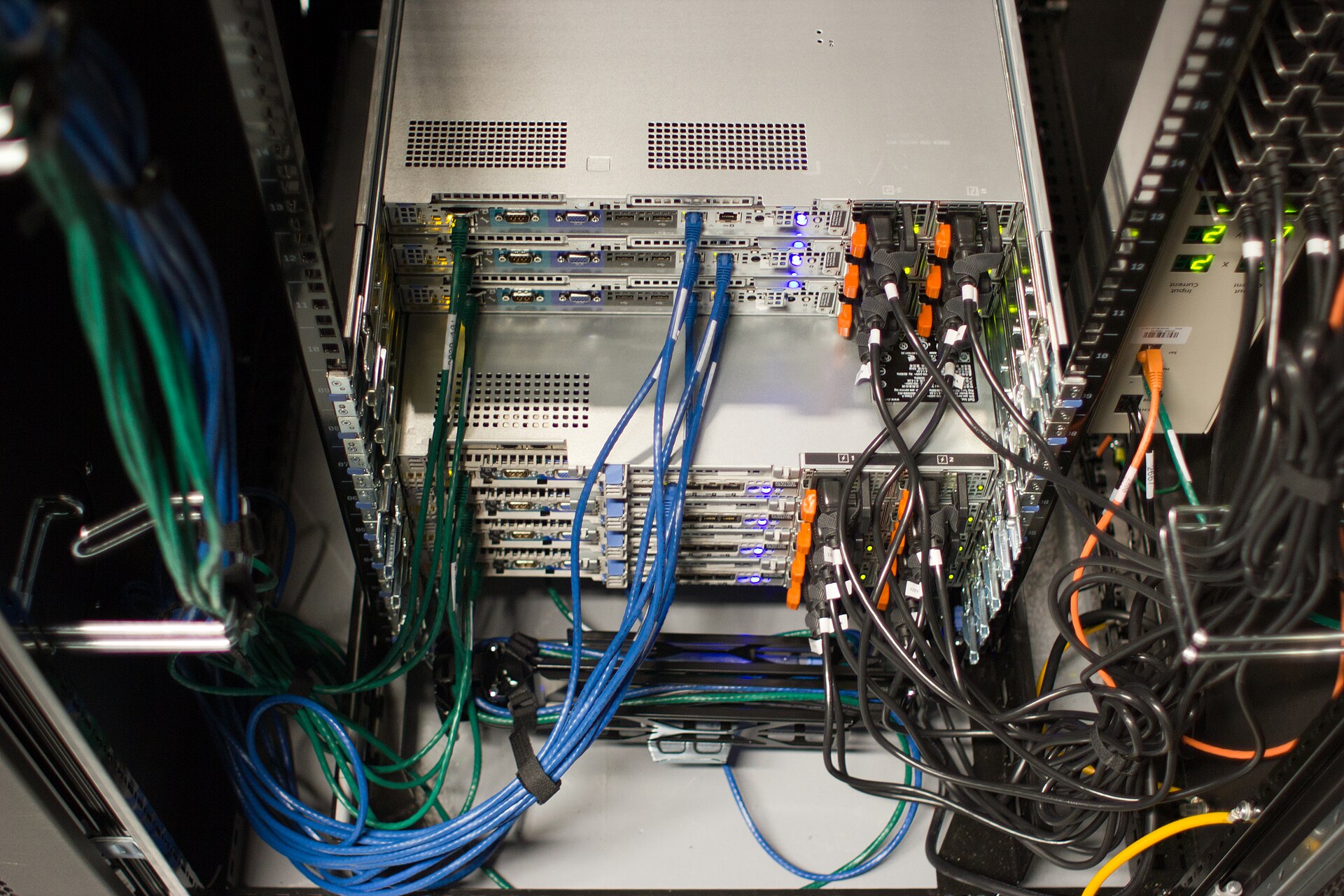
A top Australian banker says America's growing dislike of data centers could help his country. Macquarie Group's outgoing chief executive says the backlash seen in this week's US midterm elections may open the door for Australia to provide more computing capacity, according to Bloomberg Technology.
What this is about
Data centers are large buildings full of computers. They power AI tools and many online services, from email to video calls. Macquarie Group is an Australian financial firm. The report says voters in the US showed pushback against data centers in this week's midterm elections.
Why it matters to you
Where these buildings get built can affect the cost and supply of the AI and cloud tools your business relies on. If the US makes it harder to build them, some of that work could move to other countries. Australia is the one named in this report.
What is not known yet
The material available is a short summary, not the full article. It does not say what the CEO expects Australia to gain, how much capacity could move, or when. It does not explain what voters objected to. It also does not say whether any US projects have been stopped or delayed.
What to watch
- Whether US communities and officials block or slow new data centers
- Whether Australian projects are announced in response
- Any change in prices or availability of cloud and AI services
The takeawayData center locations are becoming a political issue, and that could eventually touch the price and supply of the cloud and AI tools you use.