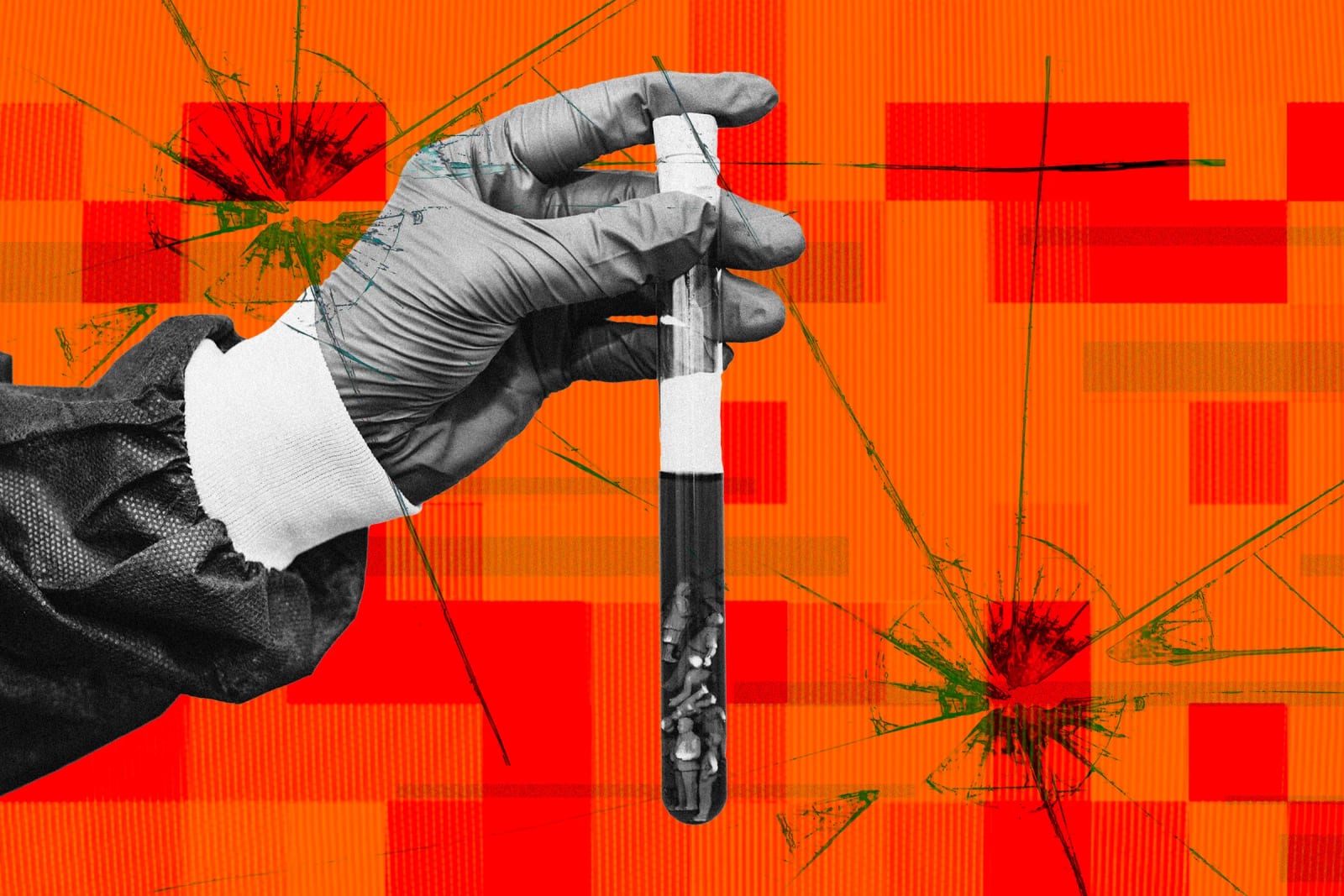
Anthropic, the company behind the AI model Claude, has spoken boldly about AI curing disease. Its IPO filing on Monday is far more careful. An IPO is when a company first offers shares to the public. The filing says Anthropic has little hands-on experience with lab science and that any drug it helps find may never make money.
What was promised before
CEO Dario Amodei wrote two years ago that he was open to AI producing a thousand years of progress in biology in five to 10 years. In August, he posted on X that AI will make it possible to cure most human diseases in the next five to 10 years. He also promised a "deluge of AI-accelerated drugs." In September, the company promoted a "Crispr-like" enzyme found by Claude.
What the filing says instead
The filing still says AI can "profoundly accelerate the rate of progress in biology and medicine." But it admits limits. Anthropic says its teams "need first-hand experience doing scientific research and drug discovery." It also says this work goes beyond its history as a software and research company.
- It will have to handle potentially hazardous materials.
- It will have to operate laboratory equipment.
- It will have to follow a long list of regulations.
- Drug candidates face a "lengthy, costly, and uncertain" path and "may never generate revenue."
The enzyme claim was also softened. The filing now says it "might have the potential" to become a gene editing tool. Researchers earlier told Wired they doubted its value. One scientist who studied these enzymes suspected Claude had used his research. Anthropic said neither its model nor its molecular biology team had access to that material.
Why the timeline stays long
A new drug idea must be tested in a test tube, then in animals, then in people. AI might help pick which candidates are likelier to work. Even so, proving a drug is safe and effective still takes years. Wired notes that these trials cannot be sped up just by adding computers.
How to read the gap
Filings with the US Securities and Exchange Commission tend to be more cautious than executive statements. Overstating claims to would-be investors carries legal risk. The filing also makes clear that Anthropic believes its technology will drive major advances, and it now treats biotech discovery as a core part of its business.
The takeawayWhen a tech company promises AI cures, look for the careful language in its legal filings and expect years of testing before any real medicine.