A tech writer handed his home heating to an AI model that runs on his own computer, and it often got the job wrong. The model handled one part well: starting the heat early enough to reach the right temperature on time. It struggled with the harder part, working out which rooms people were actually using.
How the test worked
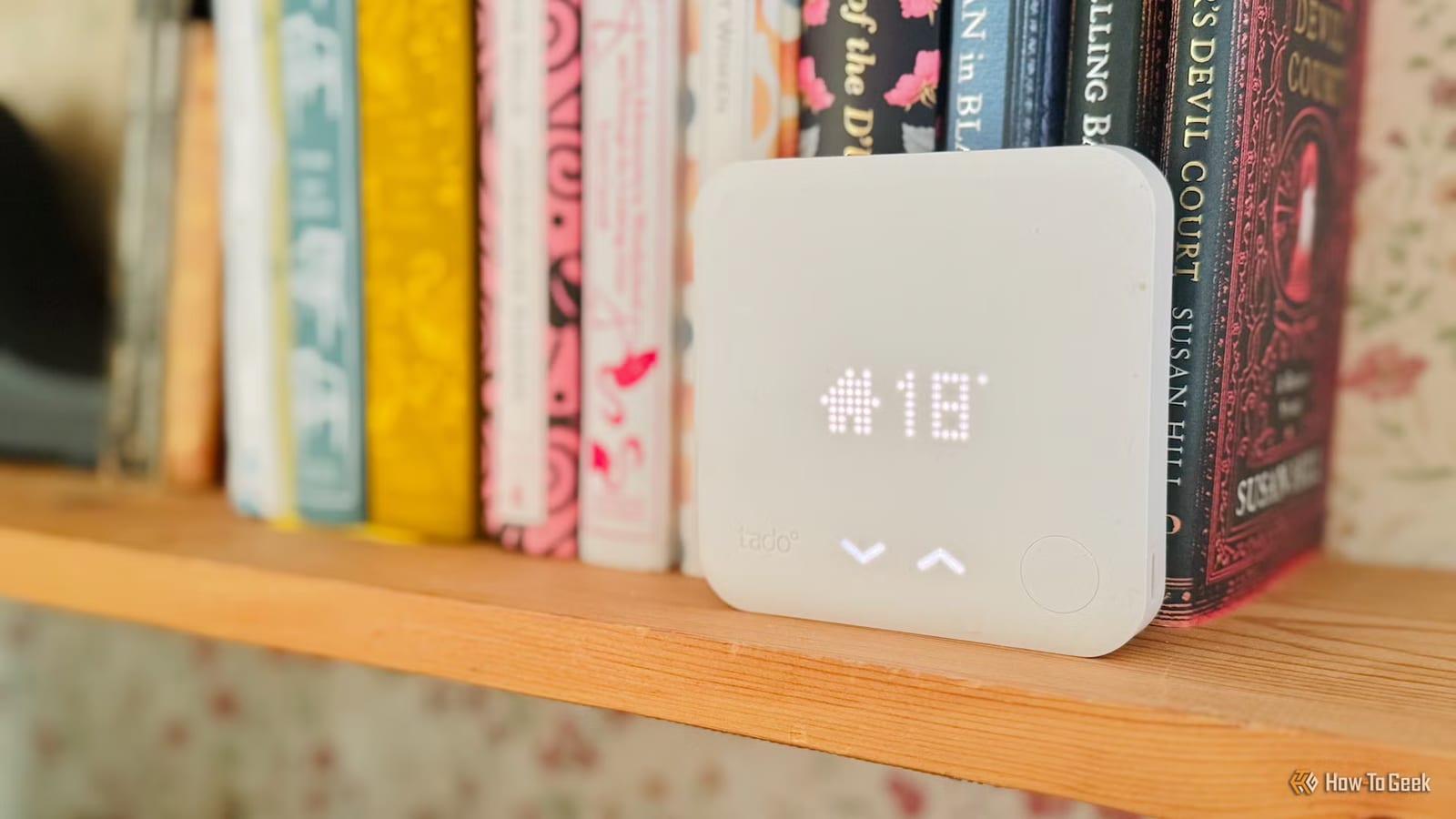
Adam Davidson of How-To Geek has a Tado smart heating system, which controls his boiler and some radiators room by room. It connects to Home Assistant, software that links smart home devices. He wrote a brief for the AI describing his home, how fast each room warms up, and his weekday and weekend routines.
Every 30 minutes, the AI checked room temperatures, humidity, phone locations and motion and presence sensors. It decided which rooms needed heat. A small script then worked out when to start and sent the commands to Tado.
The home setup
The AI ran through Ollama, a tool for running models locally, on an old Dell OptiPlex with 16GB of memory. No cloud service was involved. Several models were tried against real past data and made-up situations. Granite 4 7B and Nemotron 3 Nano 4B got fewer than half the decisions right. Models set to think things through took more than 20 minutes per decision.
The winner was Qwen 3.5 9B. It got 74% of decisions right and took two to five minutes each, which was fast enough for heating.
What went wrong
After a weekend of practice runs where no commands were sent, the AI took full control from Monday to Thursday. It failed to make a decision three times. Other results were often bad.
- Monday: it spotted the electric blanket going on as a sign of bedtime, then scheduled bedroom heat two hours later, and later still after that.
- Tuesday: it made a perfect plan, then forgot it half an hour later, so heat came on late.
- Wednesday: it heated an empty house because an old device was stuck on "Home." Davidson says that was his fault.
- Thursday: told the kids were off school and would be in one bedroom or the living room, it kept the wrong bedroom warm.
The Tuesday problem led to a prompt change so the AI would consider its earlier decisions.
What worked
Warm-up timing was good. Rooms reached their target temperatures reasonably close to schedule. Heating problems on Tuesday and Wednesday turned out to be a boiler issue, not the AI.
What it means
The appeal is real. Nest and Ecobee can't be told that the kids are off school and then rework a schedule. A home AI can be told. But the test did not show Nest or Ecobee being beaten, and no head-to-head numbers were given. The AI's weak spot was the core job of deciding which rooms need heat, so established smart thermostats remain the safer choice for now.
The takeawayHome AI can take plain-language instructions, but it still can't reliably tell which rooms your family uses, so smart thermostats remain safer.