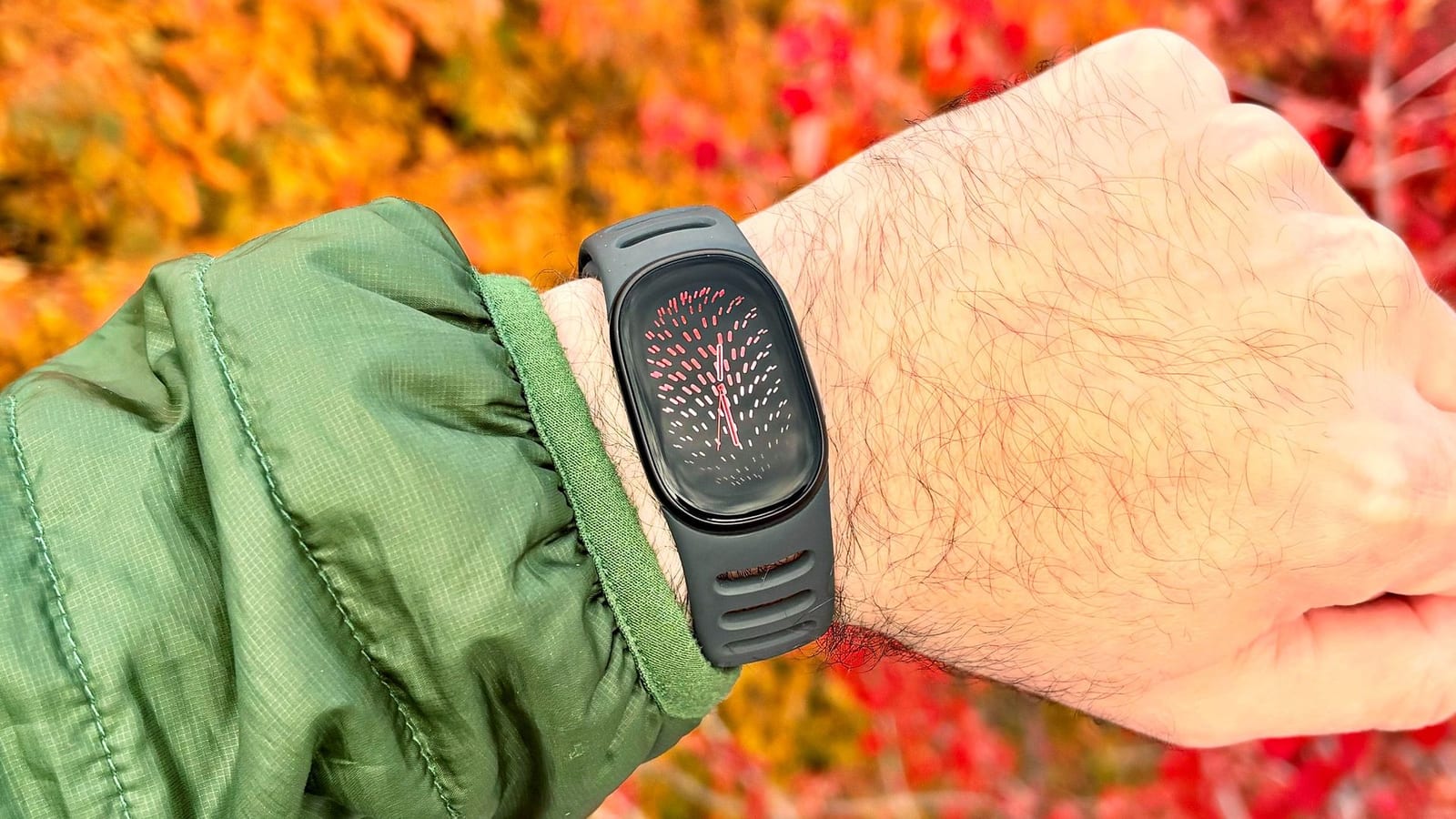
The new Fitbit Edge can track a workout with GPS for about 25 hours instead of just over eight, if you change one setting. The catch is that you have to carry your phone. GPS is the satellite signal that logs where you go, how far and how fast.
What the setting does
With the watch's built-in GPS, the Edge uses roughly 12% of its battery per hour. That works out to just over eight hours. Outside of GPS tracking, battery life is solid. The Tom's Guide reviewer averaged about a week of use per charge.
The fix is in the Google Health app, under Devices, then Fitbit Edge, then Device preferences, then GPS settings. There are three choices.
- Built-in: the watch finds your location on its own.
- Dynamic: the watch and your phone work together.
- Phone only: the watch relies on your phone's GPS.
In testing, dynamic mode stretched battery life to closer to 25 hours of outdoor workouts.
Does accuracy suffer?
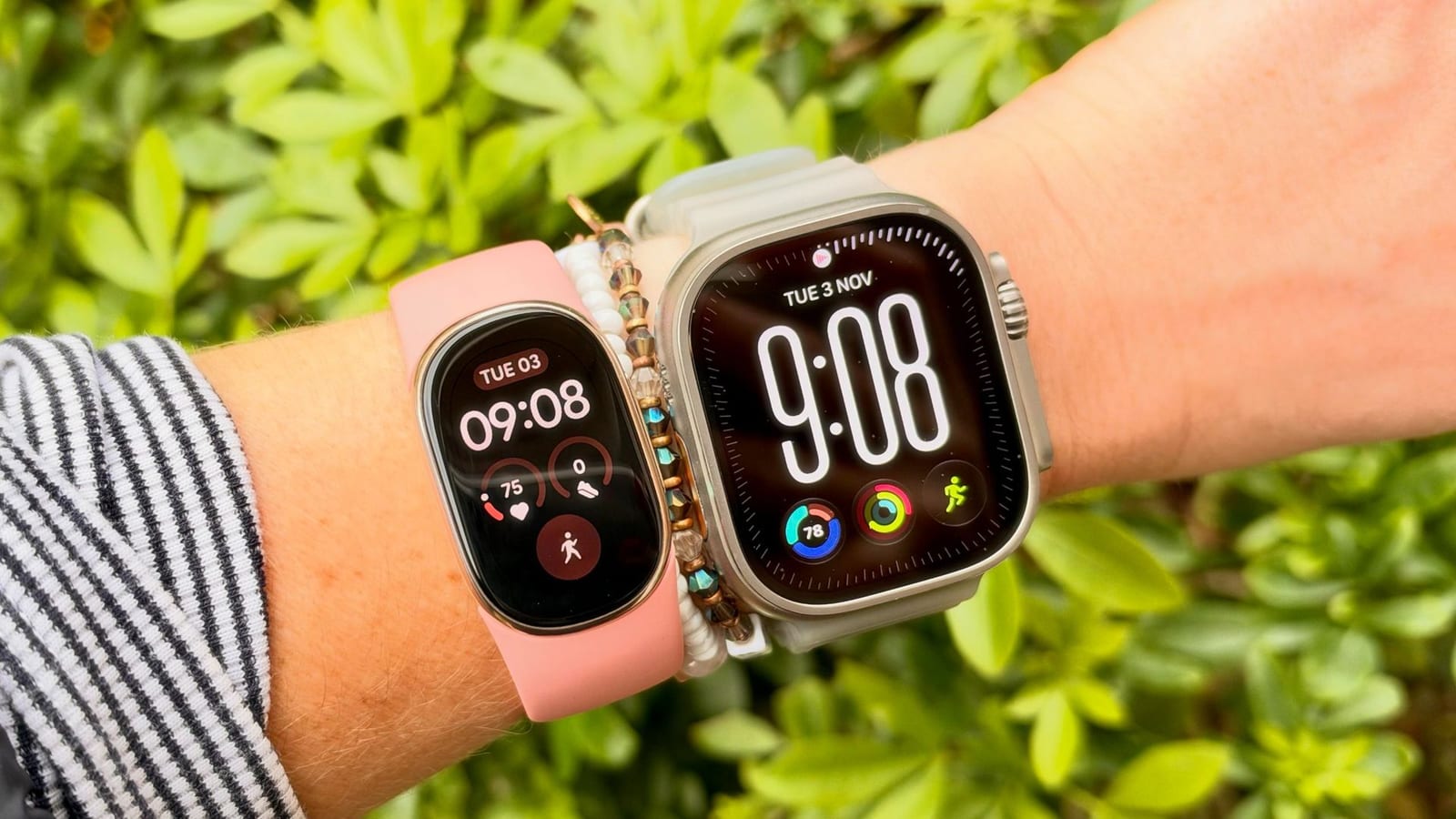
The app hints it might. It calls the built-in option "high accuracy" and says dynamic mode switches between devices to balance battery and accuracy. To check, the reviewer walked for 30 minutes in each mode. A Garmin Forerunner 170 Music on the other wrist served as the comparison.
Built-in GPS produced data very close to the Garmin, with a step count off by only one. Dynamic mode also landed well in line across the board. Phone-only mode was right on for steps, distance and climb, though pace data was somewhat sluggish.
The catch
Saving battery means bringing a phone. The reviewer notes that on a workout of eight hours or more, carrying a way to call for help is not a bad idea anyway. The cheaper Fitbit Air has no onboard GPS, so it needs a paired phone to log location.
Which mode to pick
The reviewer plans to leave built-in GPS on for jogs, bike rides, dog walks and other quick workouts without a phone. Dynamic mode is the pick for a particularly long hike or multi-day trek. For that kind of trip, the reviewer would likely choose something more rugged, such as the Garmin Instinct 3.
Each mode was tested on only one 30-minute walk, so the results do not show how they hold up over a full day. Battery figures for phone-only mode were not given.
The takeawayFor long hikes or rides, switch the Fitbit Edge to dynamic GPS in the Google Health app and bring your phone.