A CNET writer who covers 3D printing set out to prove Google's AI could not build a tool that makes a real, printable object. He lost the bet. Using Google's new Gemini 4 Argon model, James Bricknell made a web app called KeriForge and printed a forearm guard from it. The whole job took about 18 hours.
What happened
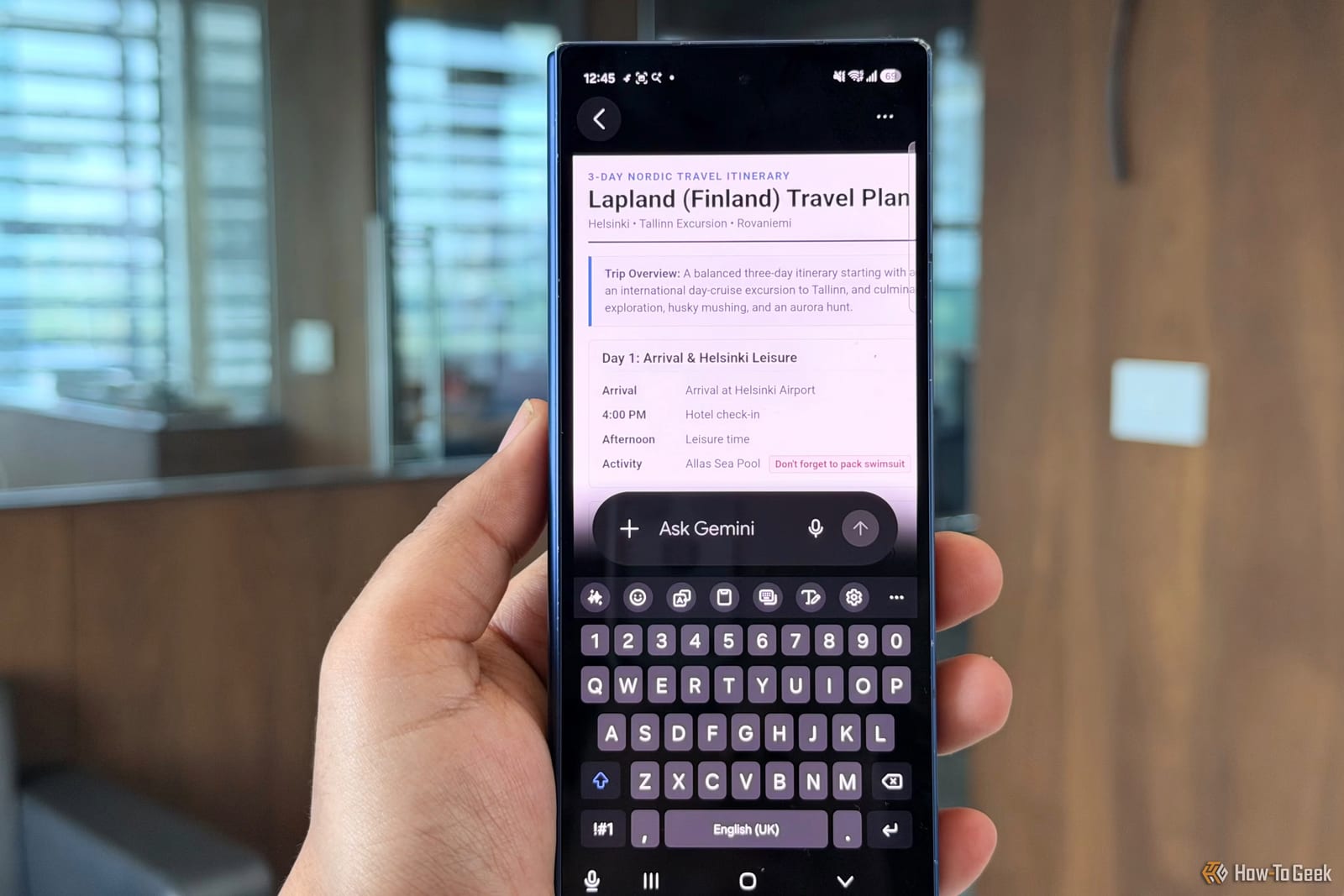
Google sent a notice about the new model and suggested it could build an app for designing lampshades to 3D print. Bricknell replied that he bet it could not. He switched the project to cosplay armor and limited it to pieces he already knows how to model himself. He says he dislikes generative AI over how it uses artists' work, so he treated it like an apprentice doing grunt work.
How it worked
The first version looked bad on a phone, with too many windows. Telling Gemini it was messy got a cleaner result without a pile of questions. It took about 10 versions to reach KeriForge 8.2, which he judged good enough to print. Gemini also added strap hole markers instead of cutting holes, since random holes can make a 3D model fail on the printer.
After the app, the process ran through a few other tools:
- Nomad Sculpt, to add squiggles and an approximation of his name
- Layerling, to cut the strap holes in the model file
- Bambu Slicer, to prepare and start the print
He printed in TPU 75A, a soft, rubbery material that bends to fit an arm better than harder plastics.
Where it fell short
About 7 hours went to printing and about 11 hours to working with Gemini. He hit the usage limit several times on his Gemini Plus plan and waited an hour for each reset. He suggests the Pro version would likely avoid that. The print worked and matched his forearm length and wrist size. Some flaws appeared, which he blamed on the TPU being too soft and the model being too tall, not on the design itself.
What it means for you
The takeaway is that plain-language requests can now produce a working small tool. A business owner might describe a simple calculator or planner and get something usable within a day. Expect some back and forth, a few limits on free or lower plans, and extra tools for finishing the job.
The takeawayDescribing a simple tool in plain words can now yield a working app, but expect many revisions, usage limits and other tools to finish the job.