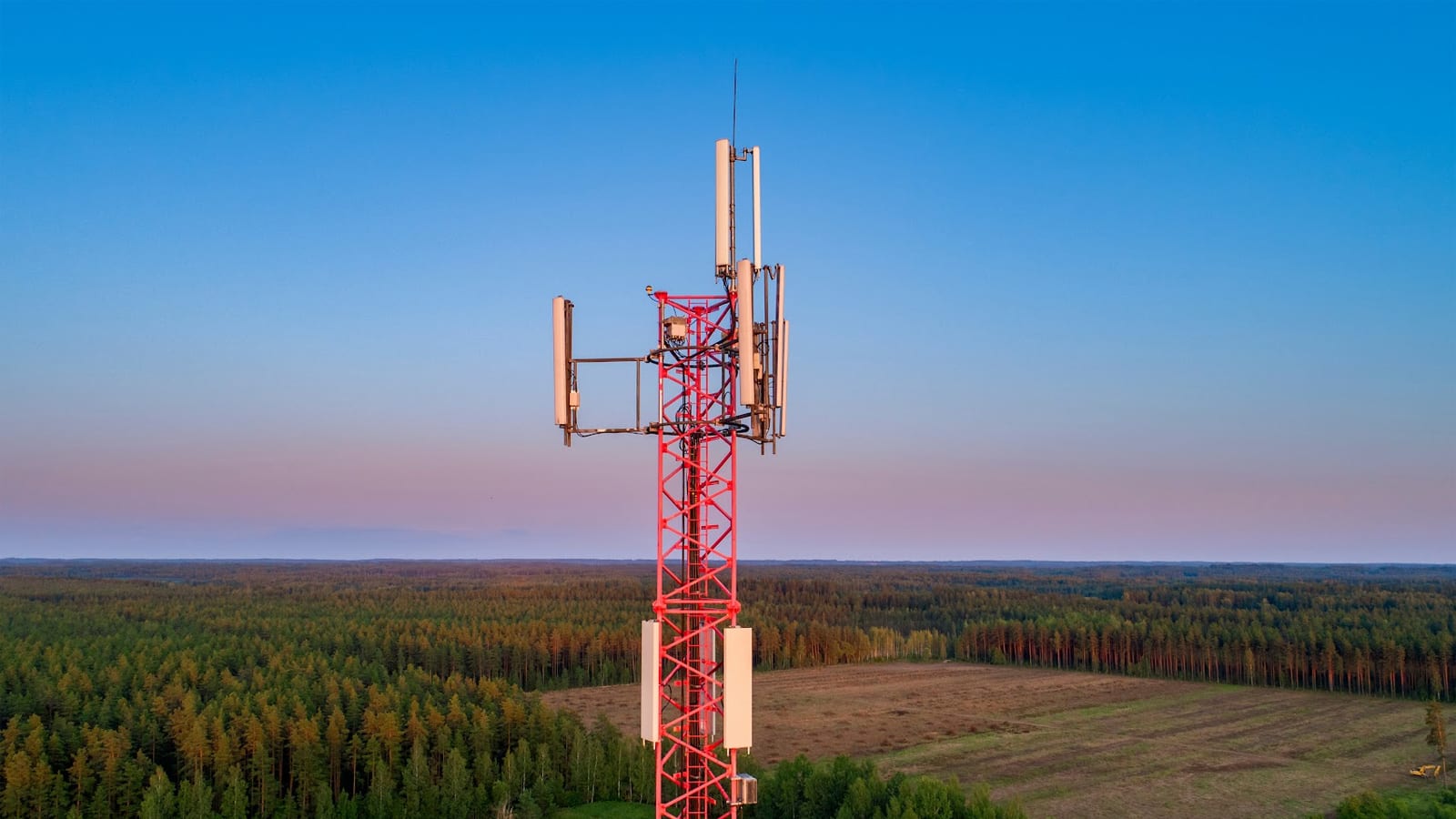
In April 2026, Canadian authorities arrested three men for running a fake cell tower that sent phishing texts to nearby phones. The case points to a bigger issue. Your phone hands out ID numbers that almost never change, and fake towers are built to collect them.
The two numbers
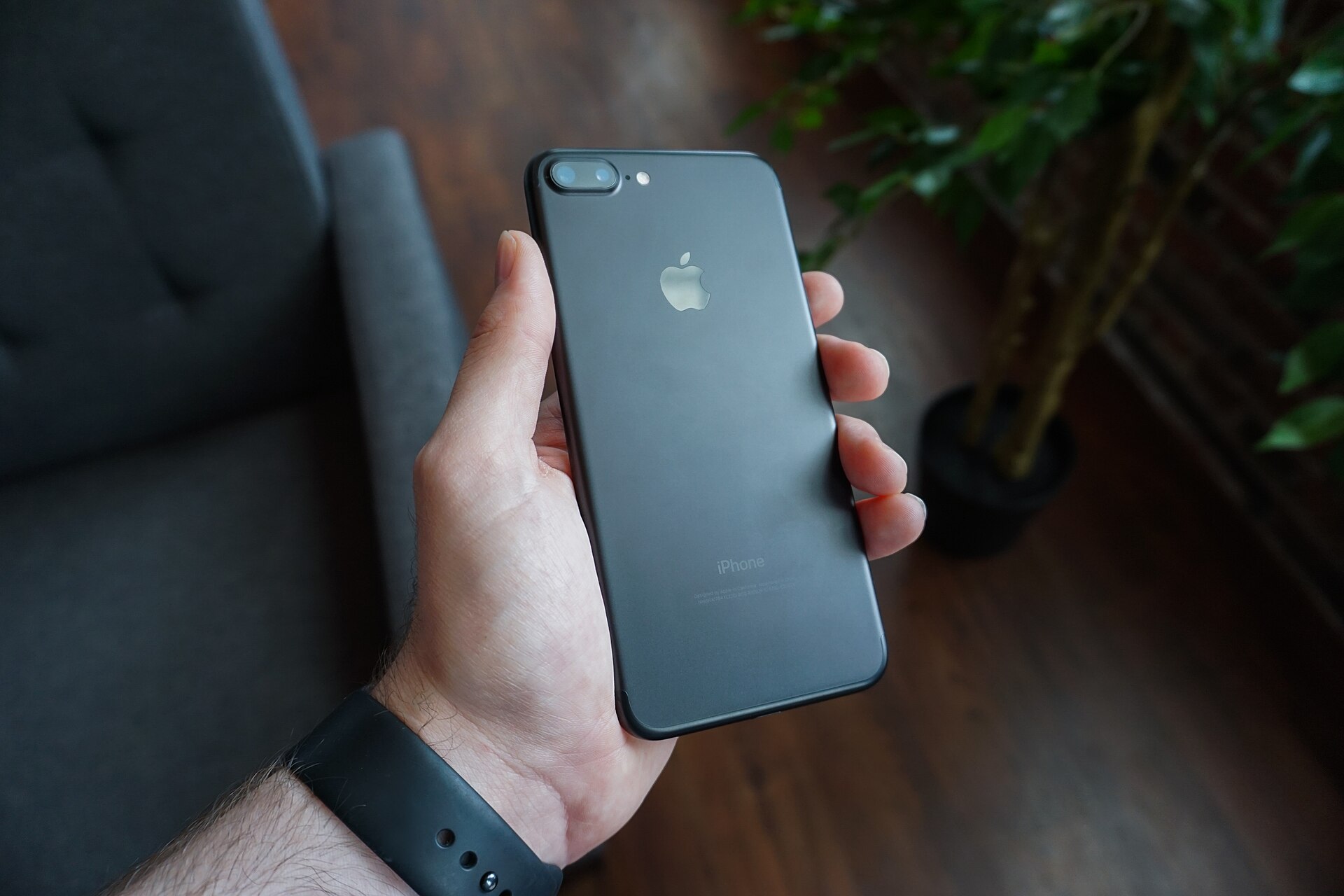
The IMSI is tied to your SIM card. The IMEI is tied to your physical phone. Both typically never change. Think of the IMSI as a license plate that follows your SIM, and the IMEI as a VIN that stays with the device. The network does not verify the IMEI, so it names a device without proving anything.
How a fake tower gets your ID
A fake tower tricks phones into connecting to the strongest signal and sharing information before anything is verified. In 4G, a phone sends its IMSI in plain, readable form to a tower that has not proven who it is. 5G encrypts this number, but 5G coverage is not everywhere, so an attacker can push a phone down to 4G or older.
A basic fake tower on 4G or 5G gets the plate but not the VIN. A phone sends its IMEI only after it has authenticated with the network.
Tracking without a fake tower
An idle phone sleeps to save battery and wakes at set moments to check for calls and texts. In 4G, that timing is worked out from the IMSI with a public formula. Since the IMSI never changes, neither does the timing.
A 2019 study showed how to use this. An attacker who knows your phone number triggers silent calls, which hang up before your phone rings, and watches with a nearby radio receiver. After about eight tries on average, they can confirm you are in the area. It worked against all the US carriers tested.
Why it matters
The study went further. Using a fake tower, researchers could link a phone number to its IMSI. Some carriers broadcast the raw IMSI when normal messages to a phone fail, and an attacker can trigger that. This was confirmed against one major US carrier.
With your IMSI, an attacker can track your location or intercept calls and texts through attacks on carrier signaling. On a typical carrier, a stolen IMSI stays useful for years. If your carrier itself is compromised, someone could also track you by IMEI.
What rotation changes
The article is published alongside a promotion for Cape, a US carrier that changes your IMSI every 24 hours or on demand. The numbers come from a shared pool reassigned among customers. A stolen IMSI goes stale within a day, and the 4G timing pattern no longer matches. Attackers can still ask for your current IMSI in real time. The article does not say whether other carriers offer similar rotation.
- A fake tower can still grab today's IMSI but cannot link it to yesterday's.
- Cape with GrapheneOS adds an LTE-only mode that blocks downgrades.
The takeawayYour SIM and phone IDs rarely change, so a stolen one can be used for years unless your carrier rotates it.