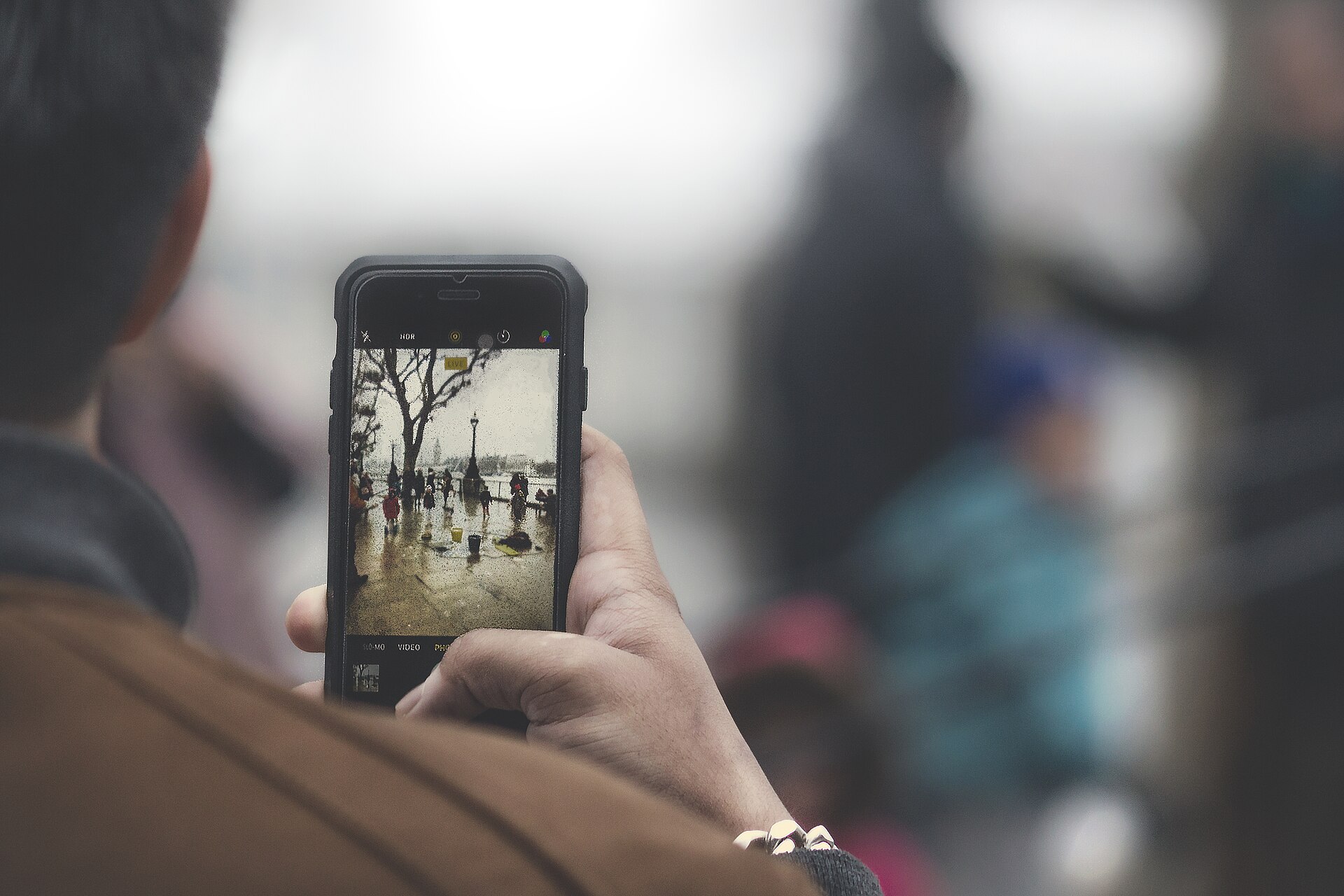
Researchers at the University of California, San Diego found that the way college students use Instagram can offer clues about how lonely they feel. The team looked at 415 students. Photos, captions, likes, comments, posting times and even facial expressions in pictures were linked to different kinds of loneliness.
Two kinds of loneliness
The study, published in npj Mental Health Research, separates loneliness into two types. Emotional loneliness is the feeling of missing a close bond. Social loneliness is the feeling of lacking a wider circle. Each showed up in different habits. Researchers fed the Instagram data into machine-learning models, which are programs that look for patterns, and compared the results with five established measures related to loneliness.
What the patterns looked like
- Social loneliness: less liking and commenting, less weekend posting, and fewer posts with faces.
- Emotional loneliness: negative wording, sad or angry facial expressions, and late-night posting.
- Photos with fewer faces were tied to higher loneliness on several measures.
That last item stood out. Of all the individual features, it was the only one that stayed significant after the researchers adjusted for depression and anxiety. In simple terms, it was not just a stand-in for those conditions.
How accurate it was
The models scored 0.77 on the UCLA Loneliness Scale, a standard questionnaire. The researchers describe that as a moderate ability to tell higher loneliness from lower. For emotional and social loneliness, the score was 0.74 each. The models did much worse at spotting structural isolation, meaning how many friends, family members and sources of support a person actually has.
What the study cannot say
All participants were university students, mostly women. The study also cannot show whether Instagram habits cause loneliness or simply reflect it. The data came from people who chose to share it. It was not collected by any Instagram feature that watches users' mental health.
Why privacy matters here
The findings suggest that digital habits could give researchers another way to understand loneliness. The open question is use. The researchers' concern, echoed in the coverage, is that these insights should be applied responsibly and with consent. Otherwise, everyday social media activity could turn into a psychological assessment nobody asked for.
The takeawayYour posting habits may say more than you think, so it is worth knowing who can see that data and how it could be used.