Political campaigns can still call and text you even if your number is on the National Do Not Call Registry. With Election Day just days away, that may explain a busy phone. You can reduce the flood of messages, but there is no single way to stop every text or call.
Why the rules differ
Campaigns are exempt from the registry, but Federal Communications Commission (FCC) rules still apply. The FCC says automated political texts to cellphones generally need your prior consent. Texts sent manually by a person do not. Political robocalls to landlines can generally be made without prior consent. Prerecorded or artificial-voice calls must include identifying information about the caller.
What to do
- Reply STOP to legitimate campaign texts. The FCC says you can withdraw consent at any time.
- Forward unwanted texts to 7726 (SPAM), as the FCC recommends.
- Do not respond to suspicious texts. Block and report them instead.
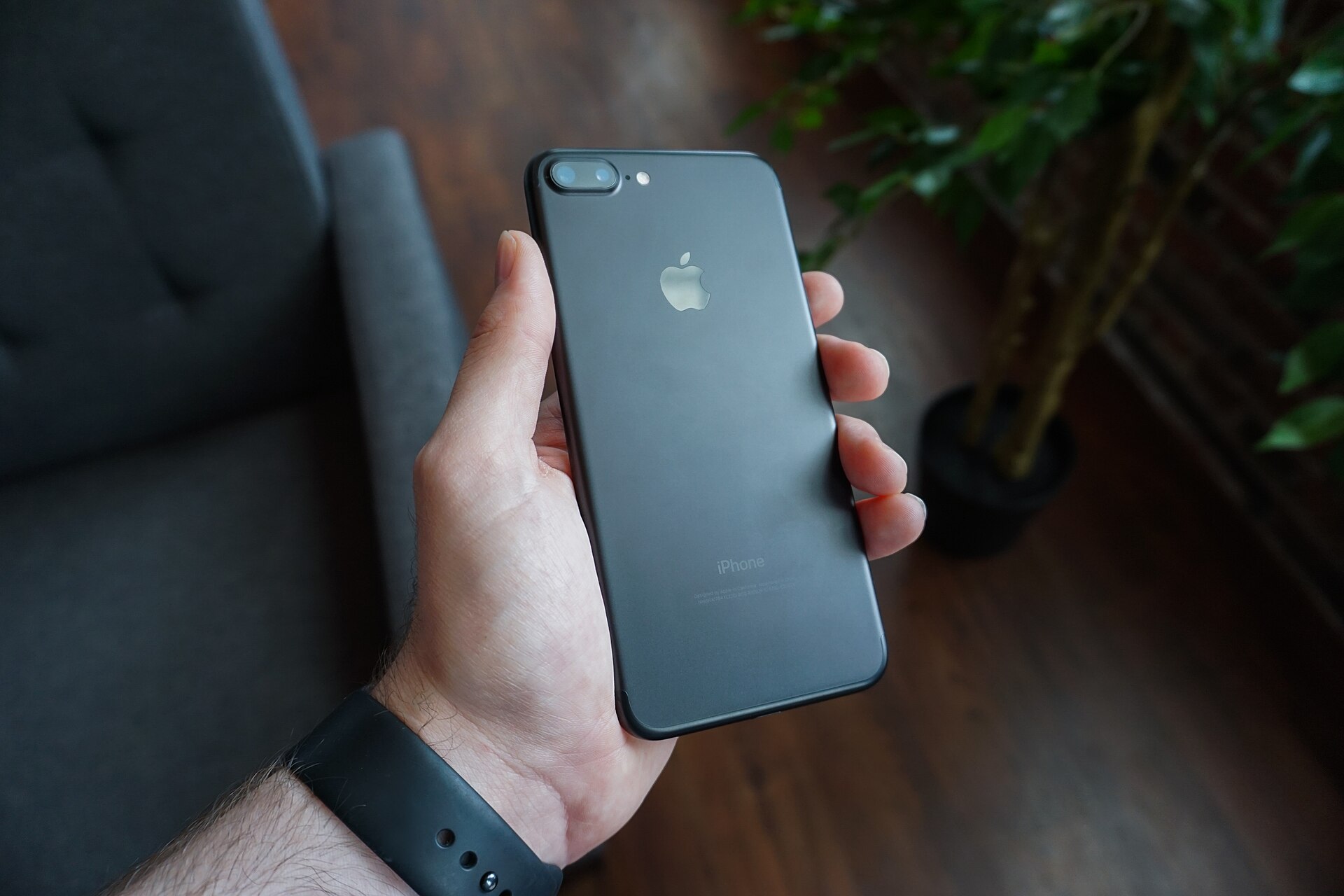
- Use your phone's filters. iPhones can filter unknown senders, and Android offers spam filtering.
Prerecorded telemarketing calls must give you a way to opt out at the start. You can also opt out of robocalls and robotexts at any time, even if you gave permission before.
If messages break the rules
If you believe a political call or text violates FCC rules, you can file an informal complaint at fcc.gov/complaints. The source does not say how well phone filters catch campaign messages, so some may still get through.
The takeawayReply STOP to real campaign texts, forward unwanted ones to 7726, and do not rely on the Do Not Call list to block political messages.