Tim Brookes, a senior editor at How-To Geek, owns water leak sensors but had none in the one place that needed it. After a night of heavy rain, water came in at the front of his house, soaked the floorboards and reached the garage below. His takeaway is simple: buy a few extra sensors.
What happened
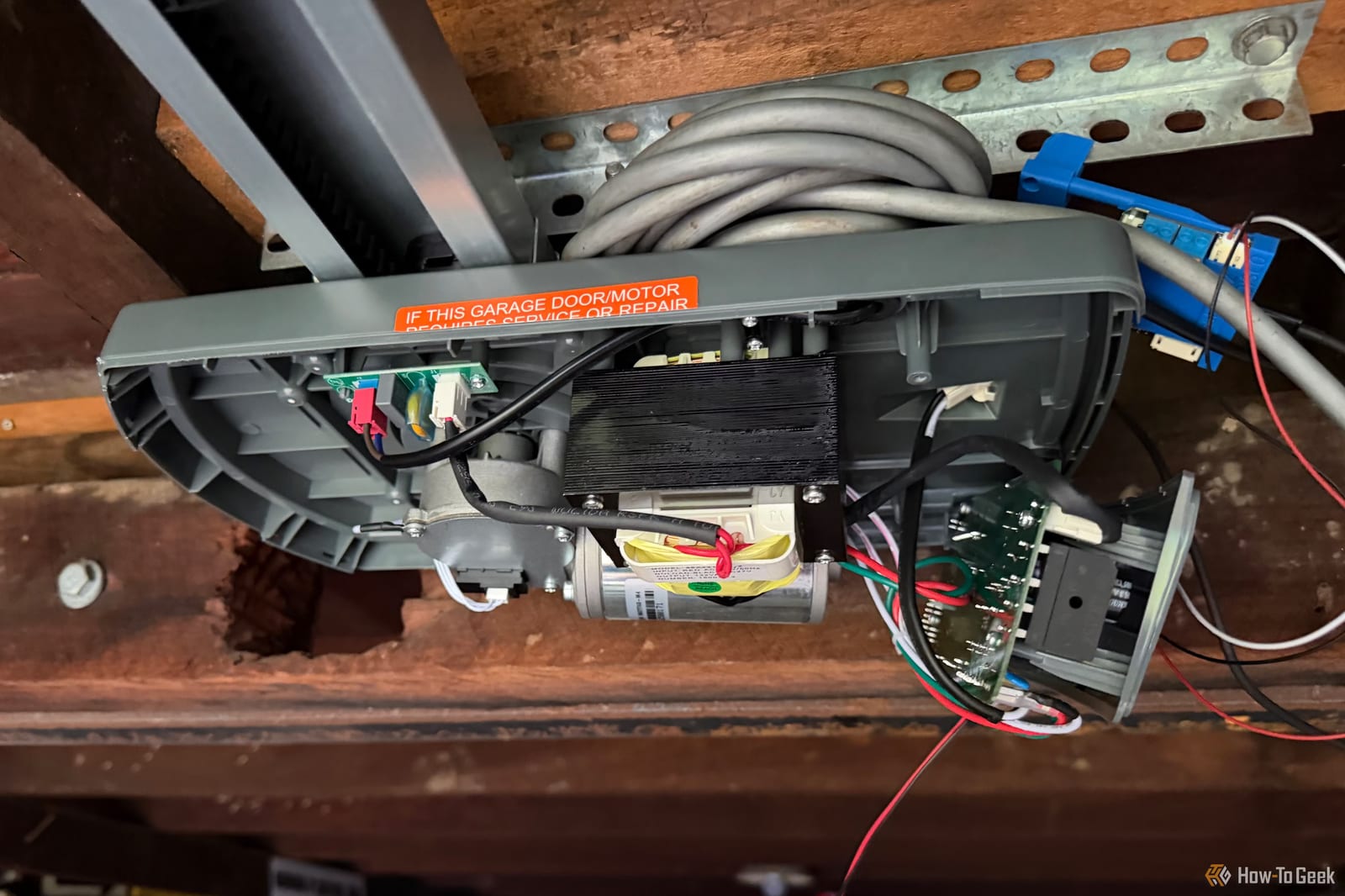
It had rained for nearly two weeks where he lives. During an intense overnight storm, water got in at a spot that had leaked before. He believed it was fixed, so he went back to sleep. In the morning the garage was wet. The last time this happened, the leak fried a garage door opener, a $500 repair. This time the opener was soaked, but its electronics survived.
Where spares can help
Most people put leak sensors where pipes could fail, such as under sinks or behind a washing machine or dishwasher. Brookes says storms call for a different plan. A sensor can also watch places where rain might get in. He had only bought enough for his riskiest spots, and has since moved the one from his water heater.
- Window sills
- Attics
- Basements
- A car parked in the driveway
Make the alerts specific
Some sensors have a built-in speaker and sound an alarm on their own, so no smart home is needed. Others connect to a system such as Home Assistant, which can send alerts or even shut off the water through a smart valve. Brookes says each alert should name its sensor. A vague message from one of five sensors means searching the house. Automatic shutoff also makes little sense if the roof is leaking and not a pipe.
A limit to know about
These sensors need actual pooled water. Last year a large container of cleaning vinegar leaked under his sink, and no alert came. The sensor sat on a semi-absorbent surface, so the liquid never gathered enough to bridge the contacts on its underside. A real pipe failure would probably have worked, he writes, but small trickles may not trigger an alert.
He adds that, so far, every alert he has received came from his own testing or a battery change. He sees that as a good sign, not a reason to skip sensors.
The takeawayPut cheap leak sensors where rain or pipes could cause damage, label the alerts by location, and set them on a hard surface where water can pool.